

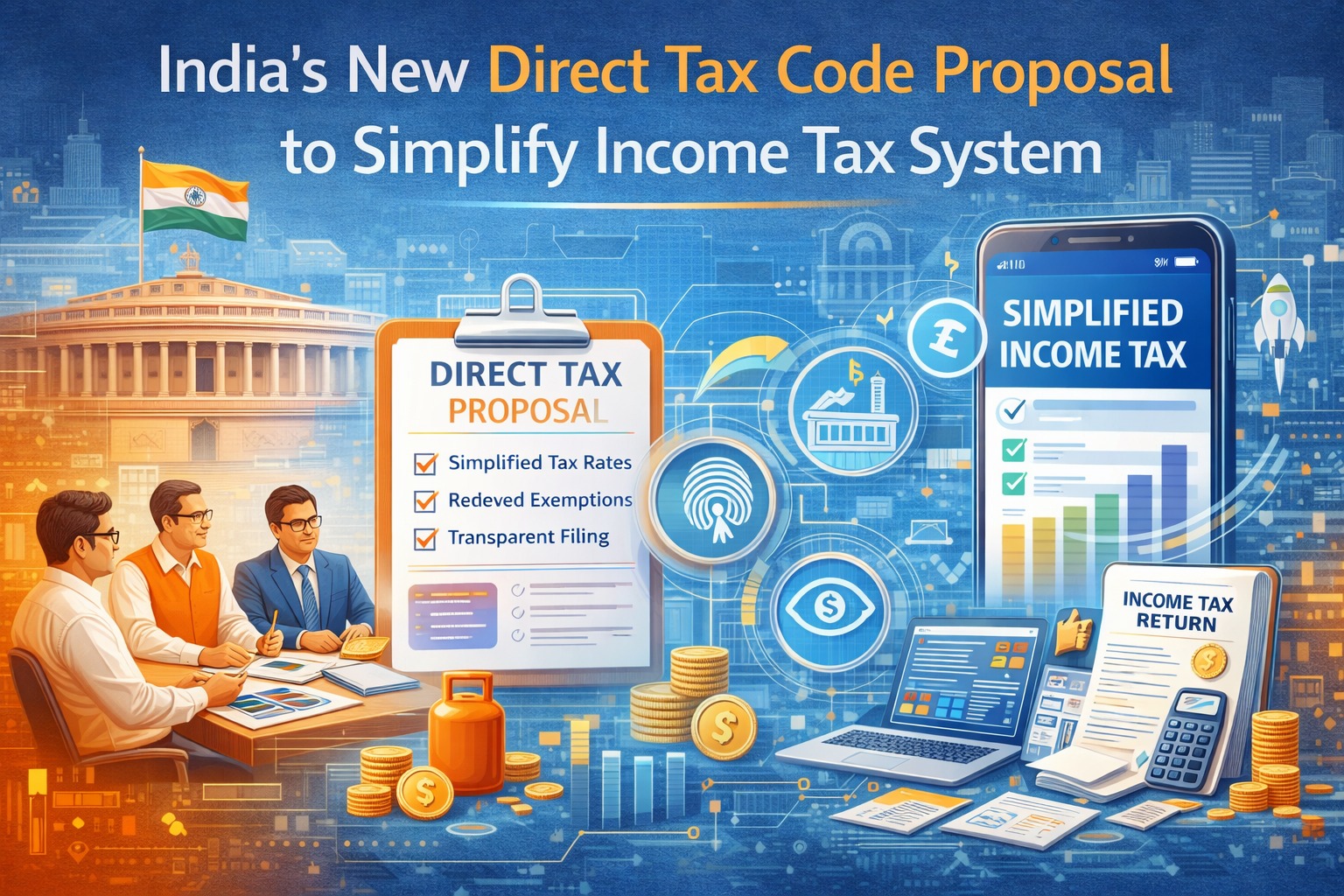
The Indian government is studying the possibility of introducing a new Direct Tax Code (DTC) aimed at simplifying the country’s income tax system. The move is part of ongoing efforts to make the tax structure more transparent, efficient, and easier for individuals and businesses to understand.
The proposed reforms are expected to address complexities in the current tax laws and improve compliance by streamlining tax procedures.
The initiative is being reviewed by policymakers under the Ministry of Finance India, which is responsible for shaping the country’s fiscal and taxation policies.
AI Answer Box
What is the new Direct Tax Code proposal?
India is studying a new Direct Tax Code to simplify income tax laws, improve transparency, and encourage compliance among taxpayers.
Key Highlights
| Reform Area | Objective |
|---|---|
| Simplified tax rules | Easier compliance |
| Improved transparency | Better governance |
| Modern tax system | Support economic growth |
| Tax efficiency | Reduce complexity |
What Is the Direct Tax Code?
The Direct Tax Code (DTC) is a proposed reform aimed at replacing the existing income tax framework with a simplified and modern tax system.
Direct taxes include taxes paid directly by individuals and businesses to the government, such as:
Income tax
Corporate tax
Capital gains tax
The goal of the Direct Tax Code is to make these taxes easier to understand and administer.
Why the Government Is Considering Tax Reform
Tax reforms are often introduced to improve efficiency and encourage compliance.
Key Reasons for Reform
| Reason | Impact |
|---|---|
| Complex tax structure | Difficult compliance |
| Outdated provisions | Need modernization |
| Global competitiveness | Attract investments |
Simplifying tax rules can make it easier for taxpayers to comply with regulations.
Possible Changes Under the Direct Tax Code
While the final details are still under discussion, potential reforms may include:
Expected Improvements
Simplified tax slabs
Reduced exemptions and deductions
Streamlined filing procedures
Improved digital tax systems
These changes could help create a more efficient taxation framework.
Impact on Businesses and Individuals
A simplified tax system can benefit both businesses and individual taxpayers.
Benefits
| Group | Benefit |
|---|---|
| Businesses | Easier tax compliance |
| Individuals | Simplified filing process |
| Government | Improved tax collection |
Tax simplification can also reduce disputes and administrative burdens.
Role of Technology in Tax Administration
Technology is playing an important role in modernizing the tax system.
Digital tools can help improve:
Tax filing processes
Compliance monitoring
Data analysis for tax authorities
This digital transformation can make the tax system more efficient.
Challenges in Implementing Tax Reform
Despite its potential benefits, implementing tax reform can be complex.
Key Challenges
Policy transition costs
Balancing revenue needs
Ensuring fairness in taxation
Updating existing systems
Careful planning is required to ensure smooth implementation.
Future Outlook
Experts believe that a new Direct Tax Code could significantly improve India’s tax environment if implemented effectively.
Long-Term Goals
Simplified tax structure
Improved taxpayer compliance
Increased transparency
Stronger economic growth
Tax reforms are considered an important part of the country’s broader economic development strategy.
Key Takeaways
The government is studying a new Direct Tax Code for India.
The goal is to simplify the income tax system.
The reforms aim to improve compliance and transparency.
Businesses and individuals could benefit from simplified tax procedures.
The proposal is part of broader economic policy reforms.
Frequently Asked Questions (FAQs)
1. What is the Direct Tax Code?
It is a proposed reform aimed at simplifying India’s income tax system.
2. Why is India considering a new tax code?
To simplify tax rules and improve compliance.
3. What taxes are included in direct taxes?
Income tax, corporate tax, and capital gains tax.
4. Who is responsible for tax policy in India?
The Ministry of Finance oversees tax policy.
5. Will the new tax code change tax rates?
Possible changes may be introduced, but final details are under discussion.
6. How will tax reform affect businesses?
Businesses may benefit from simplified compliance procedures.
7. Will individuals benefit from the new tax code?
Yes, simplified filing processes may benefit taxpayers.
8. What is tax compliance?
It refers to following tax laws and filing accurate tax returns.
9. When will the new tax code be introduced?
The proposal is still under study.
10. Can tax reforms improve economic growth?
Yes, efficient tax systems encourage investment and economic activity.
11. What challenges exist in tax reform?
Balancing revenue needs and ensuring fairness.
12. How does technology help tax systems?
Digital tools simplify filing and monitoring.
13. What is fiscal policy?
Government policies related to taxation and public spending.
14. Can tax simplification reduce disputes?
Yes, simpler rules reduce confusion and legal disputes.
15. What is the goal of tax reform?
To create a transparent and efficient tax system.
Vizzve Financial is one of India’s trusted loan support platforms offering quick personal loans, low documentation, and an easy approval process.
If you need financial assistance, applying online is quick and simple.
👉 Apply now at www.vizzve.com
Published on : 17th March
Published by : SMITA
www.vizzve.com || www.vizzveservices.com
Follow us on social media: Facebook || Linkedin || Instagram
🛡 Powered by Vizzve Financial
RBI-Registered Loan Partner | 10 Lakh+ Customers | ₹600 Cr+ Disbursed