

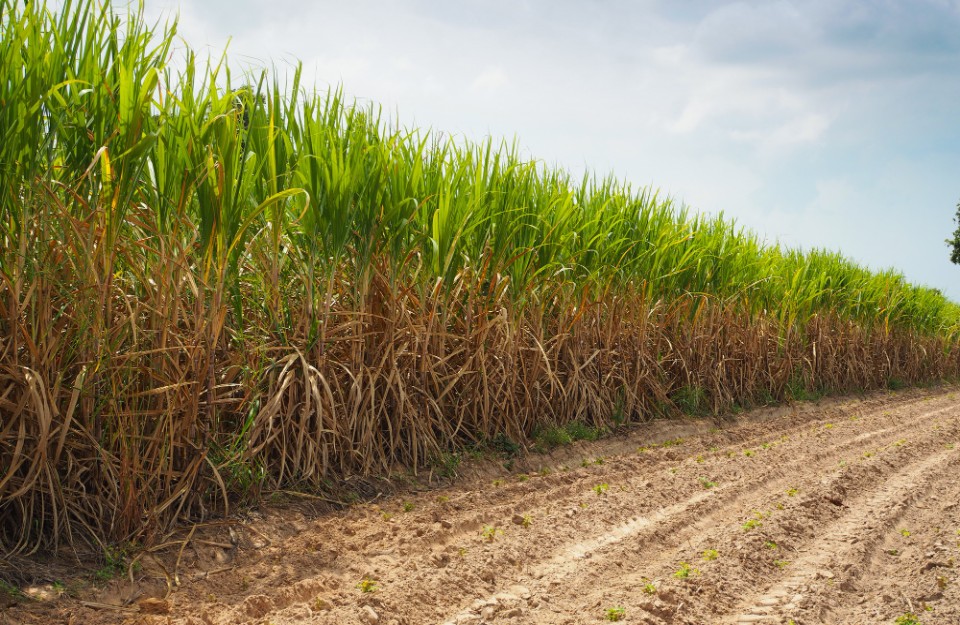
In a major policy shift, the Indian government has lifted the cap on ethanol production from molasses and sugarcane juice for the 2025-26 supply year. The move is aimed at boosting India’s ethanol blending program, supporting sugar mills, and reducing the country’s dependence on crude oil imports.
What’s New in the Policy?
No Production Cap: Previously, restrictions were in place on how much ethanol could be diverted from sugarcane-based feedstock. The new rule removes these caps.
Support for Sugar Mills: Mills can now freely produce ethanol from C-heavy molasses, B-heavy molasses, and sugarcane juice, giving them flexibility in operations.
Boost to Blending Program: India aims to achieve 20% ethanol blending with petrol by 2025-26, reducing fuel import bills and carbon emissions.
Why It Matters
Energy Security: Higher ethanol production will cut crude oil imports, saving billions in foreign exchange.
Environmental Benefits: Ethanol is a cleaner fuel that reduces greenhouse gas emissions.
Sugar Industry Stability: With surplus sugar stocks, mills now have an alternative revenue stream through ethanol sales.
Farmer Benefits: Higher demand for sugarcane will directly support cane growers with better price realization.
Industry Impact
Oil marketing companies (OMCs) will get greater ethanol supply, speeding up the blending program.
Sugar mills will have improved cash flow, reducing arrears owed to farmers.
Flex-fuel vehicles and biofuel infrastructure may gain momentum with this policy shift.
Challenges Ahead
Food Security Concerns: Diversion of sugarcane to ethanol must be balanced against sugar demand.
Water Usage: Sugarcane is a water-intensive crop, raising sustainability concerns.
Infrastructure Gaps: Storage, transport, and distribution systems need to keep pace with rising ethanol output.
FAQs
Q1. Why did the government lift the ethanol production cap?
To accelerate the ethanol blending target and provide financial stability to sugar mills.
Q2. What feedstocks can be used now?
C-heavy molasses, B-heavy molasses, and sugarcane juice can be freely diverted for ethanol.
Q3. How will this affect fuel prices?
Higher blending could reduce petrol imports, helping stabilize fuel prices in the long run.
Q4. Who benefits the most from this decision?
Sugar mills, farmers, oil companies, and consumers all benefit through energy savings, income support, and environmental gains.
Published on : 3rd September
Published by : SMITA
www.vizzve.com || www.vizzveservices.com
Follow us on social media: Facebook || Linkedin || Instagram
🛡 Powered by Vizzve Financial
RBI-Registered Loan Partner | 10 Lakh+ Customers | ₹600 Cr+ Disbursed
https://play.google.com/store/apps/details?id=com.vizzve_micro_seva&pcampaignid=web_share