

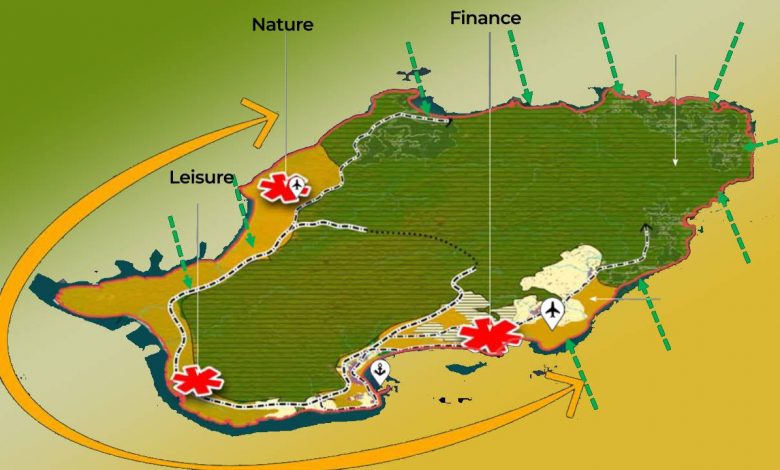
The Great Nicobar Project, one of India’s most ambitious infrastructure plans, has been making headlines for both its promise and controversy. While the government envisions transforming Great Nicobar Island into a hub of economic activity, critics warn of ecological and social costs.
What Is the Great Nicobar Project?
The project, approved in principle, includes:
International Container Transshipment Terminal (ICTT) – to boost India’s maritime trade.
International Airport – connecting the island with major global routes.
Tourism and Township Development – aimed at creating eco-tourism opportunities.
Power Plant – to support the island’s energy needs.
Why Is the Project Important?
Strategic Location: Great Nicobar lies close to the Malacca Strait, one of the busiest shipping routes.
Boost to Trade: The ICTT could reduce India’s reliance on foreign ports like Singapore and Colombo.
Tourism Potential: Untapped natural beauty makes it a candidate for eco-tourism.
Job Creation: Infrastructure projects are expected to create thousands of jobs.
The Controversy
Environmental Concerns
The project requires deforestation of over 130 sq km of forest land.
Risk to endangered species like the Nicobar megapode, leatherback turtles, and saltwater crocodiles.
Potential impact on the island’s fragile ecosystem.
Tribal Rights Issues
Indigenous tribes like the Shompens and Nicobarese face displacement risks.
Critics argue development could disrupt their way of life and culture.
Seismic & Climate Risks
Great Nicobar lies in a seismically active zone, raising safety concerns.
Rising sea levels due to climate change could affect infrastructure longevity.
Government’s Position
The government has emphasized that:
The project will adopt sustainable practices to balance development and ecology.
Measures like compensatory afforestation and wildlife protection are being considered.
Strategic benefits outweigh the risks, especially in terms of trade and defense.
Conclusion
The Great Nicobar Project reflects India’s drive to combine development with strategic advantage. However, the environmental and tribal concerns make it one of the most debated projects of recent times. Its future will depend on how well authorities balance growth, sustainability, and inclusivity.
FAQ
Q1: What is the Great Nicobar Project?
It’s a multi-billion-dollar plan including a port, airport, power plant, and tourism hubs on Great Nicobar Island.
Q2: Why is the project controversial?
Due to concerns about deforestation, threats to wildlife, tribal displacement, and ecological damage.
Q3: Which tribes live in Great Nicobar?
The Shompens and Nicobarese are the main indigenous tribes.
Q4: Why is Great Nicobar strategically important?
It’s near the Malacca Strait, a vital global shipping route.
Q5: Has construction begun?
Clearances are ongoing, but environmental and legal challenges have delayed large-scale work.
Published on : 10th September
Published by : SMITA
www.vizzve.com || www.vizzveservices.com
Follow us on social media: Facebook || Linkedin || Instagram
🛡 Powered by Vizzve Financial
RBI-Registered Loan Partner | 10 Lakh+ Customers | ₹600 Cr+ Disbursed
https://play.google.com/store/apps/details?id=com.vizzve_micro_seva&pcampaignid=web_share