

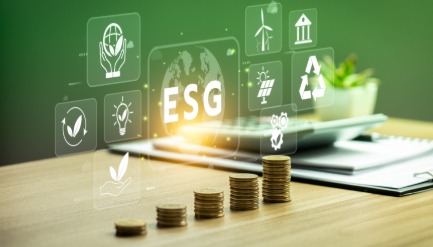
As climate change and sustainability become central to global economic discussions, ESG (Environmental, Social, and Governance) loans and green finance have emerged as transformative financial tools.
In India, these initiatives are gaining traction as both corporations and individuals seek eco-conscious ways to borrow, invest, and grow. But what do ESG loans really mean for consumers — and how can they make use of these sustainable financing options?
💡 What Are ESG Loans?
ESG loans are financial products designed to promote sustainability-focused projects or businesses.
The “ESG” framework assesses a borrower’s impact in three key areas:
E – Environmental: Energy efficiency, renewable energy adoption, waste management, and carbon reduction.
S – Social: Fair labor practices, inclusion, and community development.
G – Governance: Ethical management, transparency, and accountability.
When lenders provide ESG loans, they evaluate not just profitability but also how responsibly the funds are used.
🌍 What Is Green Finance?
Green finance focuses specifically on funding projects that have clear environmental benefits — such as renewable energy, electric vehicles, sustainable housing, and climate adaptation infrastructure.
Globally, green finance has grown into a $2 trillion industry, with India playing an increasingly active role through green bonds, climate funds, and government-backed programs promoting clean energy investments.
🏦 How ESG Loans Work in Practice
Unlike traditional loans that focus solely on creditworthiness, ESG loans are linked to sustainability performance targets (SPTs).
If a borrower achieves specific environmental or social milestones — such as reducing emissions or improving diversity — they can benefit from:
Lower interest rates
Flexible repayment terms
Enhanced credit reputation
Conversely, failure to meet sustainability goals can lead to higher borrowing costs or reduced access to future green financing.
🌾 ESG & Green Finance in India
India’s push toward net-zero emissions by 2070 has accelerated demand for sustainable finance.
Several Indian banks and NBFCs now offer ESG-linked credit lines to corporates and SMEs, while the RBI’s Green Deposits Framework (2023) has laid the groundwork for individuals to invest in eco-friendly initiatives.
Some key sectors driving ESG loans include:
Renewable energy (solar, wind, hydro)
Sustainable agriculture and irrigation systems
Electric mobility and public transport
Green real estate and infrastructure
💰 Benefits for Consumers
Better Loan Terms: Borrowers meeting sustainability goals may qualify for reduced interest rates.
Positive Credit Image: ESG compliance reflects responsible borrowing, improving reputation with lenders.
Long-Term Savings: Eco-friendly projects often reduce operating costs — like lower energy bills or fuel expenses.
Contribution to Sustainability: Consumers become part of the global transition to a greener economy.
⚠️ Challenges to Watch
Despite its promise, ESG financing in India faces hurdles:
Lack of standardized evaluation metrics
Limited awareness among small borrowers
High initial costs for eco-friendly technologies
Greenwashing — where companies falsely claim sustainability benefits
Consumers should therefore seek transparent lenders who clearly define how ESG performance is measured and rewarded.
🔍 The Future of ESG & Green Finance
With the RBI, SEBI, and Finance Ministry strengthening sustainable finance guidelines, ESG-linked loans are expected to grow rapidly over the next decade.
For individuals, the evolution of green home loans, electric vehicle loans, and sustainable investment products will make eco-conscious choices more accessible and affordable than ever.
🧩 Conclusion
ESG loans and green finance aren’t just buzzwords — they represent the future of responsible lending and borrowing.
For consumers, these tools offer not only financial benefits but also a chance to contribute to environmental and social well-being.
By choosing ethical finance, every borrower can help India move one step closer to a sustainable and resilient future.
FAQs :
Q1: What’s the difference between ESG loans and green loans?
ESG loans cover environmental, social, and governance goals, while green loans focus only on projects with environmental benefits.
Q2: Can individuals apply for ESG or green loans?
Yes, many banks now offer green home loans and EV loans that qualify under the ESG framework.
Q3: Are ESG loans more expensive than regular loans?
Not necessarily. Borrowers can actually get interest rate discounts if they meet sustainability goals.
Q4: How can I verify if a lender’s ESG claim is genuine?
Check for adherence to frameworks like the RBI’s Green Deposit Guidelines or international ESG standards (e.g., GRI, TCFD).
Q5: What sectors are most eligible for ESG financing in India?
Renewable energy, agriculture, transport, housing, and manufacturing sectors are major ESG loan beneficiaries.
Published on : 10th October
Published by : SMITA
www.vizzve.com || www.vizzveservices.com
Follow us on social media: Facebook || Linkedin || Instagram
🛡 Powered by Vizzve Financial
RBI-Registered Loan Partner | 10 Lakh+ Customers | ₹600 Cr+ Disbursed
https://play.google.com/store/apps/details?id=com.vizzve_micro_seva&pcampaignid=web_share