

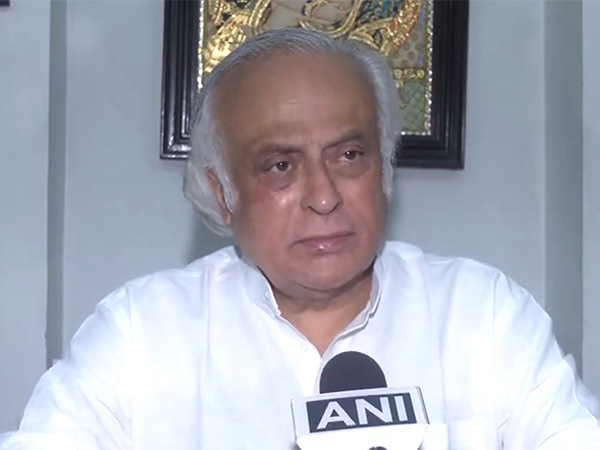
The Indian taxation landscape may soon witness a transformation with GST 2.0, an initiative envisioned by the Congress party to simplify and streamline the Goods and Services Tax (GST) system. Aiming to reduce compliance burden, enhance transparency, and stimulate business growth, GST 2.0 seeks to address longstanding challenges in India’s indirect tax framework.
Why GST 2.0?
Since its launch in 2017, GST has unified India’s fragmented indirect tax system. However, businesses, especially small and medium enterprises, still face challenges:
Complex compliance procedures
Multiple tax slabs creating confusion
Frequent amendments and updates
Difficulty in filing returns for small businesses
GST 2.0 aims to address these pain points while boosting revenue collection and promoting economic efficiency.
Key Features of GST 2.0
Simplified Tax Slabs: Rationalization of tax rates to reduce confusion among taxpayers.
Ease of Compliance: Introduction of single-click return filing and automated input tax credit.
Digital Integration: Enhanced GST portal with AI-driven error detection and faster refunds.
Support for SMEs: Special measures to reduce compliance burden for small and medium enterprises.
Transparent Governance: Clear guidelines for tax disputes and faster resolution mechanisms.
Economic Implications
1. Boost to Businesses
Simplified GST will reduce administrative costs, allowing businesses to focus on growth and innovation.
2. Consumer Benefits
Rationalized rates may lead to lower prices on goods and services, increasing purchasing power.
3. Revenue Growth
With easier compliance, tax collection may become more efficient, reducing evasion and widening the tax base.
4. Investment Attraction
A transparent and streamlined GST system can make India a more attractive destination for foreign and domestic investment.
Challenges Ahead
Implementation Hurdles: Transitioning to a new system may face resistance and initial glitches.
Training and Awareness: Taxpayers and businesses will need guidance on using the updated system.
Political Consensus: Smooth rollout requires collaboration between central and state governments.
Conclusion
GST 2.0 represents Congress’s vision for a modern, simplified, and business-friendly tax regime. By focusing on ease of compliance, transparency, and economic growth, this reform could pave the way for a more efficient indirect tax system, benefitting both businesses and consumers.
FAQs
Q1. What is GST 2.0?
GST 2.0 is a proposed update to India’s Goods and Services Tax, aiming to simplify compliance and improve efficiency.
Q2. How will GST 2.0 help small businesses?
It introduces simpler filing processes, automated input tax credit, and reduced compliance burden for SMEs.
Q3. Will GST rates change under GST 2.0?
Yes, rationalization of tax slabs is proposed to make the system simpler and fairer.
Q4. How will GST 2.0 impact consumers?
Simplified tax rates may reduce prices on goods and services, increasing purchasing power.
Q5. When is GST 2.0 expected to be implemented?
The timeline depends on government approvals, stakeholder consultation, and technology rollout.
Published on : 16th August
Published by : SMITA
www.vizzve.com || www.vizzveservices.com
Follow us on social media: Facebook || Linkedin || Instagram
🛡 Powered by Vizzve Financial
RBI-Registered Loan Partner | 10 Lakh+ Customers | ₹600 Cr+ Disbursed