

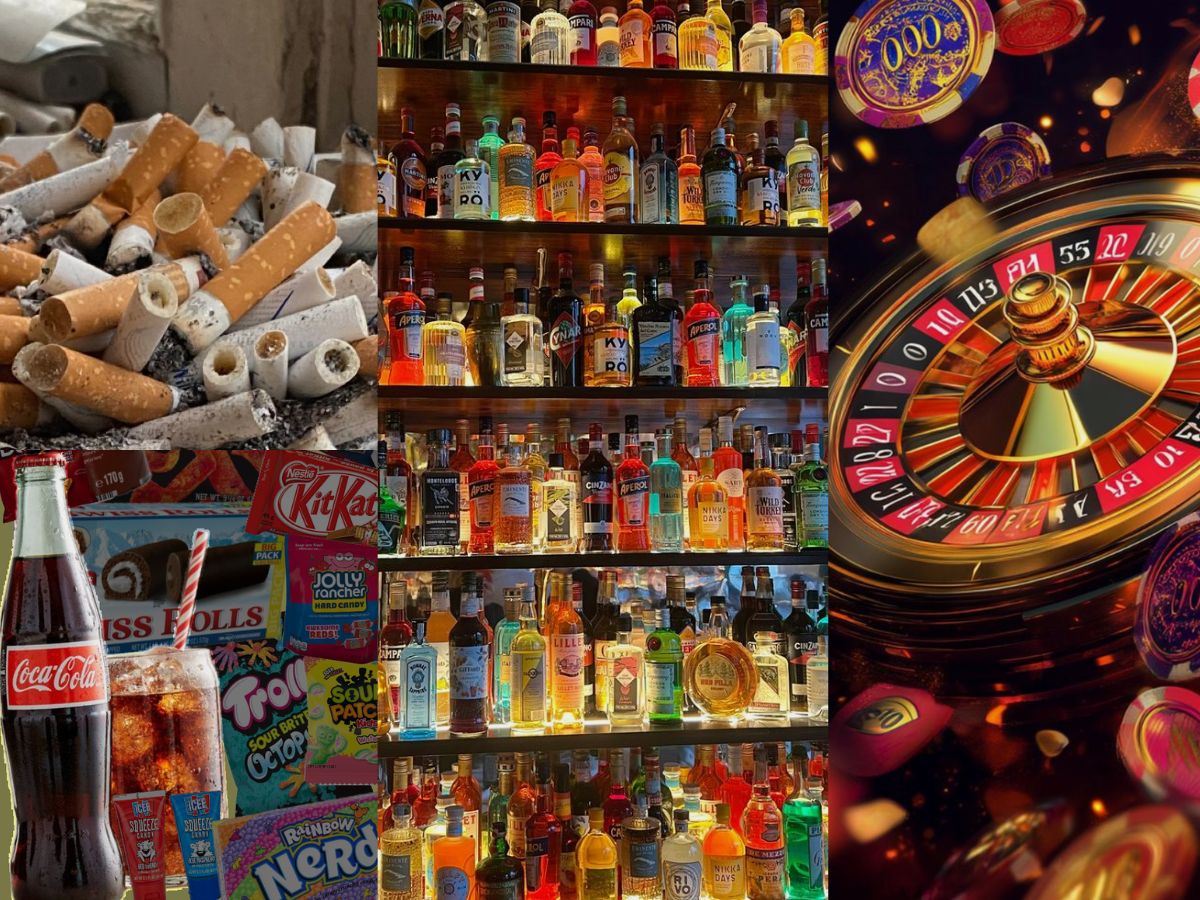
Under GST 2.0 reforms, certain products classified as “sin goods” attract higher tax rates compared to essential items. These goods are often associated with health risks, social costs, or moral concerns, and governments levy higher taxes to curb consumption while generating revenue.
What Are Sin Goods?
Sin goods are products or services that are:
Harmful to health: e.g., tobacco, cigarettes, gutkha
Associated with social risks: e.g., alcohol, liquor, betting, gambling
Discretionary luxury items with potential negative externalities
Common Examples in India:
Cigarettes and cigars
Alcoholic beverages
Tobacco products and chewing tobacco
Betting, lotteries, and gambling services
Why Sin Goods Face High Taxes
Public Health Concerns
High taxes discourage excessive consumption of products harmful to health.
Revenue Generation
Governments earn significant revenue through excise and GST on sin goods, which can fund health initiatives and social welfare programs.
Behavioral Control
Elevated tax rates serve as a deterrent, especially for products that have addictive or harmful effects.
Compensating Social Costs
Consumption of sin goods often leads to healthcare costs, accidents, and social issues. Higher taxes help offset these burdens on society.
Impact of GST 2.0 on Consumers
Higher Prices: Sin goods become costlier due to combined GST and excise duties.
Reduced Consumption: Elevated costs may discourage casual or non-essential use.
Budget Planning: Consumers of sin goods may need to allocate higher expenses in their budgets.
FAQs
Q1: What are sin goods under GST 2.0?
A1: Products that are harmful to health, socially risky, or morally sensitive, such as tobacco, alcohol, and gambling services.
Q2: Why are these goods taxed higher than essentials?
A2: Higher taxes discourage consumption, compensate for social costs, and generate government revenue.
Q3: Does GST 2.0 increase taxes on all products?
A3: No, essential goods often see lower GST rates, while sin goods attract the highest rates.
Q4: Are sin goods taxation uniform across India?
A4: Rates may vary slightly due to state-specific regulations, especially for alcohol, which is state-controlled.
Q5: Can taxation effectively reduce consumption of sin goods?
A5: Higher taxes can reduce consumption, but effectiveness also depends on enforcement, awareness, and availability.
Conclusion
GST 2.0 has reaffirmed India’s approach of differential taxation, ensuring that sin goods are heavily taxed while essential items remain affordable. By targeting harmful and socially risky products, the government aims to promote public health, generate revenue, and influence consumer behavior responsibly.
Published on : 4th September
Published by : SMITA
www.vizzve.com || www.vizzveservices.com
Follow us on social media: Facebook || Linkedin || Instagram
🛡 Powered by Vizzve Financial
RBI-Registered Loan Partner | 10 Lakh+ Customers | ₹600 Cr+ Disbursed
https://play.google.com/store/apps/details?id=com.vizzve_micro_seva&pcampaignid=web_share