

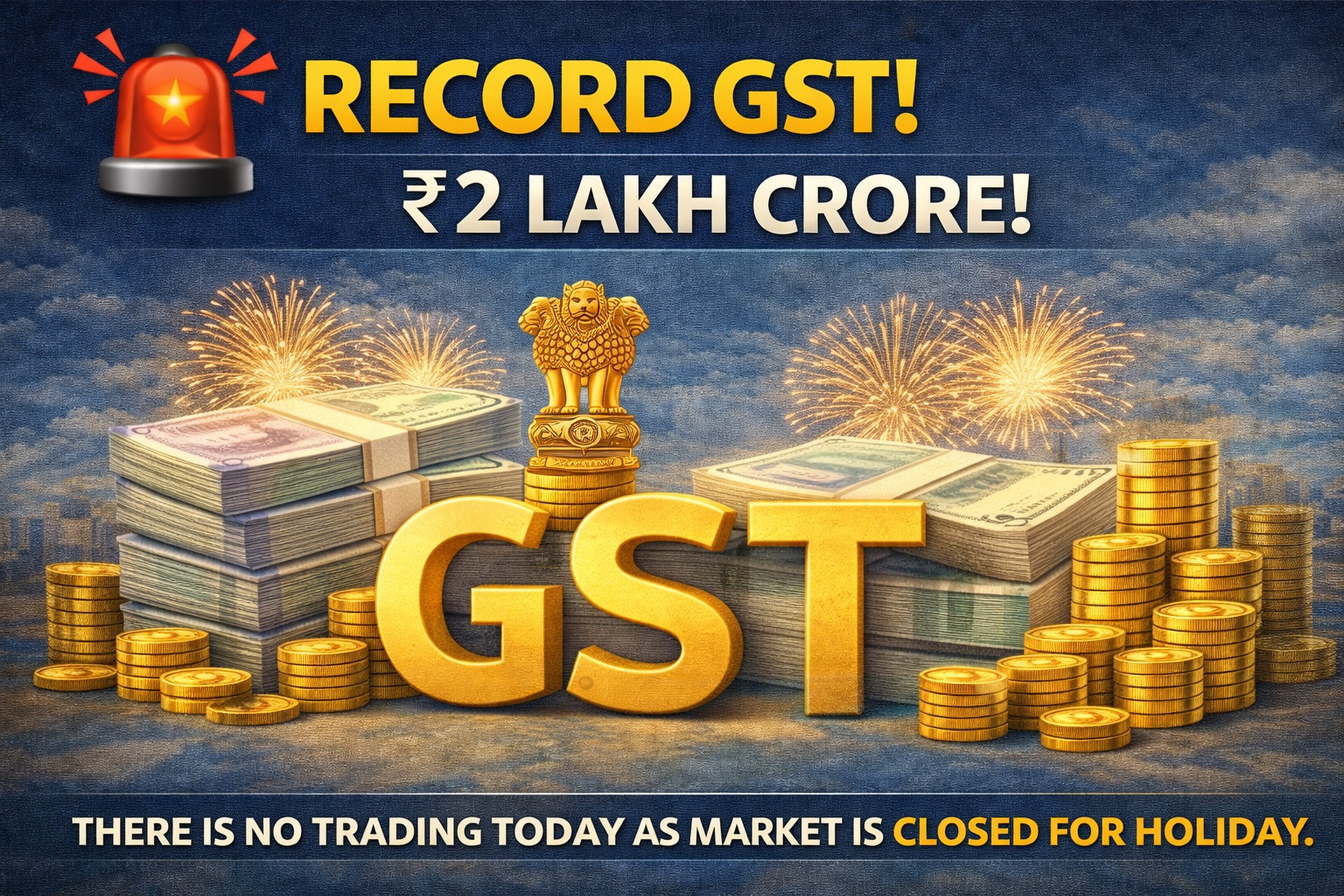
India’s GST collections are showing strong growth in 2026, sending a positive signal about the country’s economic health.
Recent data shows that GST revenues have hit record levels, reflecting increased business activity, better compliance, and stronger consumption.
👉 This is one of the strongest indicators of economic momentum right now.
AI Answer Box (Quick Summary)
- GST collections crossed ₹2 lakh crore in March 2026
- Growth of around 8–9% year-on-year
- Indicates strong economic activity
- Driven by:
- Higher consumption
- Better compliance
- Digital tracking systems
- Positive signal for economy & stock market
Latest GST Collection Data (2026)
- March 2026 GST collections crossed ₹2 lakh crore (record high)
- Net collections stood around ₹1.78 lakh crore
- Growth recorded: ~8–8.8% YoY
👉 This marks one of the highest-ever monthly GST collections in India
GST Growth Trend (FY 2026)
| Month | GST Collection | Growth |
|---|---|---|
| Jan 2026 | ₹1.93 lakh crore | ↑ |
| Feb 2026 | ₹1.83 lakh crore | +8.1% YoY |
| March 2026 | ₹2+ lakh crore | Record high |
👉 Consistent upward trend throughout the year
Why GST Collections Are Rising
1. Strong Economic Activity
- Increased consumption
- Higher business turnover
2. Better Tax Compliance
- Digital tracking systems
- AI-based monitoring
3. Crackdown on Tax Evasion
- Data sharing across departments
- Real-time invoice matching
4. Import Growth
- Higher imports → more GST revenue
State-Level Growth Highlights
- Haryana GST growth: 22%
- Punjab growth: 12.5% annually
- Andhra Pradesh March growth: 10% YoY
👉 Shows broad-based growth across India
What This Means for Economy
✅ Positive Signals
- Strong GDP growth potential
- Higher government revenue
- Increased public spending
- Better fiscal stability
Impact on Stock Market
📊 Positive Effects:
- Boost to infrastructure stocks
- Banking sector benefits
- Consumption-driven sectors grow
👉 GST growth often leads to bullish sentiment in markets
Expert Insight
Economists consider GST collections a real-time economic indicator.
Real-world insight:
- Rising GST = Rising demand
- Rising demand = Economic expansion
👉 Unlike estimates, GST data reflects actual ground-level activity
Real-Life Example
When GST rises:
- More goods are sold
- Businesses earn more
- Government collects more tax
👉 This creates a growth cycle in the economy
Pros & Cons
✅ Pros
- Strong economic signal
- Better tax system efficiency
- Increased government spending capacity
❌ Cons
- May increase compliance burden
- Higher tracking of transactions
Summary Table
| Factor | Impact |
|---|---|
| GST Growth | Positive |
| Economy | Expanding |
| Government Revenue | Increasing |
| Market Sentiment | Bullish |
Key Takeaways
- GST collections hit record highs in 2026
- Growth of 8–9% YoY shows strong economy
- Better compliance & digital systems driving growth
- Positive signal for investors and businesses
❓ FAQs
1. What is GST collection?
Tax collected on goods and services.
2. What is latest GST data?
Over ₹2 lakh crore in March 2026.
3. Is GST growth good?
Yes, it indicates economic strength.
4. Why is GST increasing?
Higher consumption and compliance.
5. Does it affect stock market?
Yes, positively.
6. Which states performed well?
Haryana, Punjab, Andhra Pradesh.
7. Is this a record?
Yes.
8. What is YoY growth?
Year-on-year increase.
9. Is GST linked to GDP?
Yes.
10. Does GST affect inflation?
Indirectly.
11. Is compliance stricter now?
Yes.
12. What next?
Continued monitoring of growth trend.
Conclusion
The rise in GST collections is a strong positive signal for India’s economy.
👉 It shows that business activity is growing, compliance is improving, and the economy is on a solid recovery path.
For investors, this is a sign to stay optimistic—but also stay informed.
👉 Apply now at: www.vizzve.com
Published on : 3rd April
Published by : SMITA
www.vizzve.com || www.vizzveservices.com
Follow us on social media: Facebook || Linkedin || Instagram
🛡 Powered by Vizzve Financial
RBI-Registered Loan Partner | 10 Lakh+ Customers | ₹600 Cr+ Disbursed