

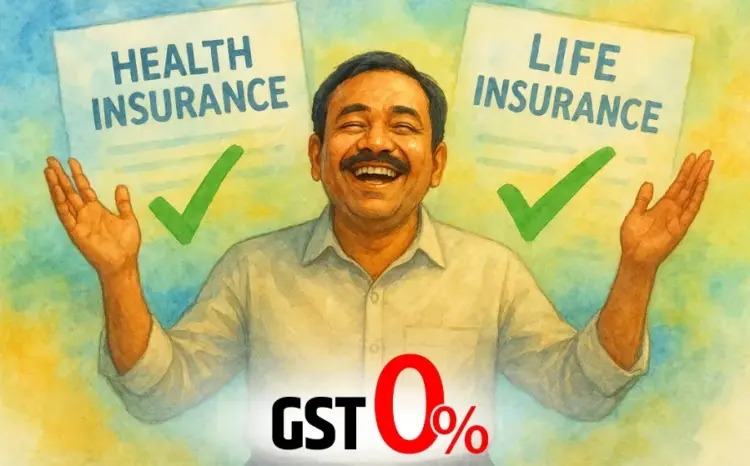
Recent GST reforms in India have significantly improved affordability and accessibility in the healthcare and insurance sectors. With zero GST on life and health insurance and substantial cuts on essential medicines and surgical equipment, middle- and lower-income households are now better positioned to access quality care.
Key Highlights
Zero GST on Insurance: Life and health insurance premiums are now tax-free, reducing costs for individuals and families.
Essential Medicines & Equipment: Dramatic GST reductions make pharmaceuticals, surgical instruments, and medical devices more affordable.
Middle- and Lower-Income Benefits: Households previously constrained by healthcare costs can now access essential services.
Wider Coverage: Insurance reforms encourage more people to enroll, improving risk pooling and financial protection.
Impact on Healthcare
Greater Affordability: Patients pay less for medicines, diagnostics, and surgical procedures.
Access Expansion: Rural and semi-urban populations benefit most from lower prices.
Preventive Care Uptake: Cheaper insurance encourages early screening and preventive measures.
Healthcare Ecosystem: Hospitals, clinics, and pharmacies see increased demand, promoting sector growth.
Impact on Insurance
Life Insurance Growth: More individuals are likely to purchase policies due to zero GST.
Health Insurance Penetration: Improved affordability broadens access, particularly for low- and middle-income households.
Investor Confidence: Insurance sector benefits from higher enrollment and premium inflows.
Key Takeaway
GST reforms targeting healthcare and insurance demonstrate a strong government focus on social welfare and financial inclusion. Reduced taxes make essential care more affordable, expand coverage, and strengthen the overall healthcare ecosystem in India.
FAQs
Q1. What GST changes benefit healthcare in India?
Essential medicines, surgical equipment, and health insurance premiums now have zero or reduced GST, lowering costs.
Q2. How does zero GST on insurance help households?
It reduces life and health insurance premiums, making policies more affordable for middle- and lower-income families.
Q3. Who benefits most from these reforms?
Middle- and lower-income households, rural populations, and patients requiring essential medicines or surgical care.
Q4. Does this impact insurance penetration?
Yes, affordability encourages more people to enroll, boosting health and life insurance coverage.
Q5. How does this affect the healthcare industry?
Hospitals, clinics, and pharmacies see increased demand, while preventive and essential care becomes more accessible.
Published on : 5th September
Published by : SMITA
www.vizzve.com || www.vizzveservices.com
Follow us on social media: Facebook || Linkedin || Instagram
🛡 Powered by Vizzve Financial
RBI-Registered Loan Partner | 10 Lakh+ Customers | ₹600 Cr+ Disbursed
https://play.google.com/store/apps/details?id=com.vizzve_micro_seva&pcampaignid=web_share