

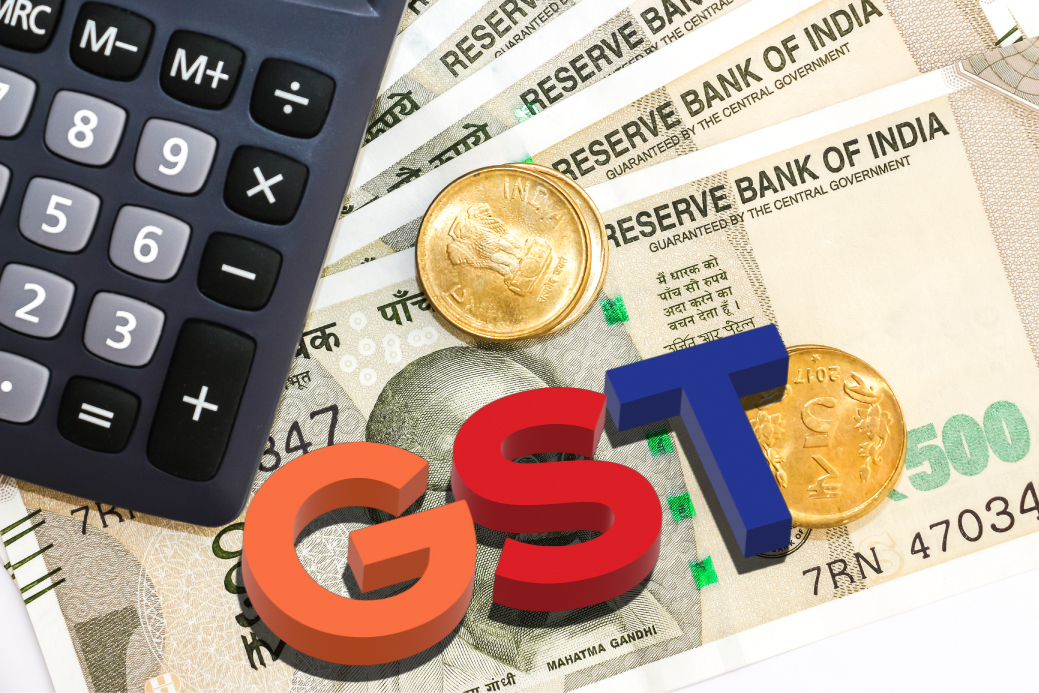
The recent GST rate cuts, aimed at boosting consumer demand and supporting economic growth, are now creating concerns among several Indian states. While businesses and consumers benefit from lower taxes, state governments are warning of potential revenue shortfalls that could strain their fiscal positions.
Why States Are Worried
Revenue Dependency on GST – A large portion of state revenue comes from GST collections, especially in consumption-heavy states.
GST Compensation Ends – With the expiry of the GST compensation period, states no longer receive guaranteed central support.
High Welfare Spending – Increased public spending on subsidies, healthcare, and infrastructure is adding fiscal pressure.
Uneven Impact Across States – Industrial states may manage better, but consumption-driven states face deeper revenue gaps.
Economic Impact
Short-Term Boost: Lower GST helps revive demand in auto, FMCG, and consumer durable sectors.
Fiscal Strain: States may need to borrow more or cut back on planned expenditures.
Policy Challenge: Balancing growth through tax relief with fiscal discipline will remain a key challenge for policymakers.
Key Takeaway
While GST cuts provide relief to consumers and industries, they also risk creating fiscal stress for states. Policymakers will need to strike a balance between stimulating growth and maintaining state revenue stability.
FAQs
Q1. Why are GST cuts causing revenue gaps for states?
States depend heavily on GST collections. Cuts reduce revenue while spending demands remain high.
Q2. Which sectors benefit the most from GST cuts?
Automobiles, FMCG, and consumer durables benefit from lower tax rates, boosting demand.
Q3. What happens now that GST compensation to states has ended?
States must manage revenue gaps through borrowing, higher local taxes, or expenditure cuts.
Q4. How do GST cuts affect consumers?
Consumers enjoy lower prices, especially in consumption-heavy goods and services.
Q5. What’s the long-term risk of continuous GST cuts?
Sustained cuts may undermine state finances, impacting welfare and infrastructure spending.
Published on : 5th September
Published by : SMITA
www.vizzve.com || www.vizzveservices.com
Follow us on social media: Facebook || Linkedin || Instagram
🛡 Powered by Vizzve Financial
RBI-Registered Loan Partner | 10 Lakh+ Customers | ₹600 Cr+ Disbursed
https://play.google.com/store/apps/details?id=com.vizzve_micro_seva&pcampaignid=web_share