

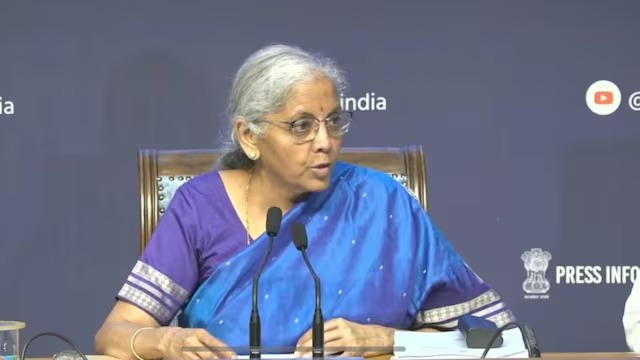
India’s taxation system is undergoing a significant GST overhaul in 2025, with the government introducing major tax cuts to boost spending. This move aims to make goods and services more affordable while encouraging consumption, which in turn could drive economic growth.
1. What is the GST Overhaul?
The Goods and Services Tax (GST), introduced in 2017, has been revised multiple times. The 2025 overhaul focuses on rationalizing tax slabs, removing anomalies, and reducing the burden on consumers and businesses.
2. Key Tax Cuts Announced
Lower GST on essential goods such as food products, daily-use items, and medicines.
Reduced rates on consumer durables to stimulate sales in the retail and manufacturing sectors.
Simplification of tax slabs to improve compliance and reduce confusion.
3. Why the Overhaul Matters
Boosts Consumer Spending: Lower taxes increase disposable income.
Encourages Economic Growth: Higher demand leads to stronger business performance.
Improves Compliance: Simplified slabs make GST filing easier for small businesses.
Supports Inflation Control: Reduced taxes can offset rising costs in key sectors.
4. Sectors That Benefit the Most
Retail & FMCG: More affordable household goods.
Automobiles & Electronics: Reduced costs to encourage purchases.
Healthcare: Lower prices on medicines and essential supplies.
Hospitality & Tourism: Cheaper travel and accommodation to boost demand.
5. Impact on Consumers & Businesses
For consumers, the tax cuts translate into cheaper goods and services. For businesses, especially MSMEs, the simplified slabs and reduced rates mean better compliance, higher sales, and stronger margins.
Conclusion:
The GST overhaul with major tax cuts marks a turning point for India’s economy in 2025. By lowering the tax burden, the government aims to increase affordability, stimulate spending, and drive long-term growth. For both businesses and consumers, this reform could be a major win.
FAQ :
Q1: What is the purpose of the GST overhaul in 2025?
To rationalize tax slabs, reduce rates, and make goods and services more affordable.
Q2: Which goods will get cheaper under the new GST cuts?
Essential items, consumer durables, medicines, and some services.
Q3: How does the overhaul benefit small businesses?
Simplified slabs reduce compliance burden and improve sales.
Q4: Will the GST overhaul impact inflation?
Yes, lower taxes may help control inflation by reducing costs.
Q5: Is the overhaul permanent?
The tax changes are long-term, but GST Council may revise rates periodically.
Published on : 4th September
Published by : SMITA
www.vizzve.com || www.vizzveservices.com
Follow us on social media: Facebook || Linkedin || Instagram
🛡 Powered by Vizzve Financial
RBI-Registered Loan Partner | 10 Lakh+ Customers | ₹600 Cr+ Disbursed
https://play.google.com/store/apps/details?id=com.vizzve_micro_seva&pcampaignid=web_share