

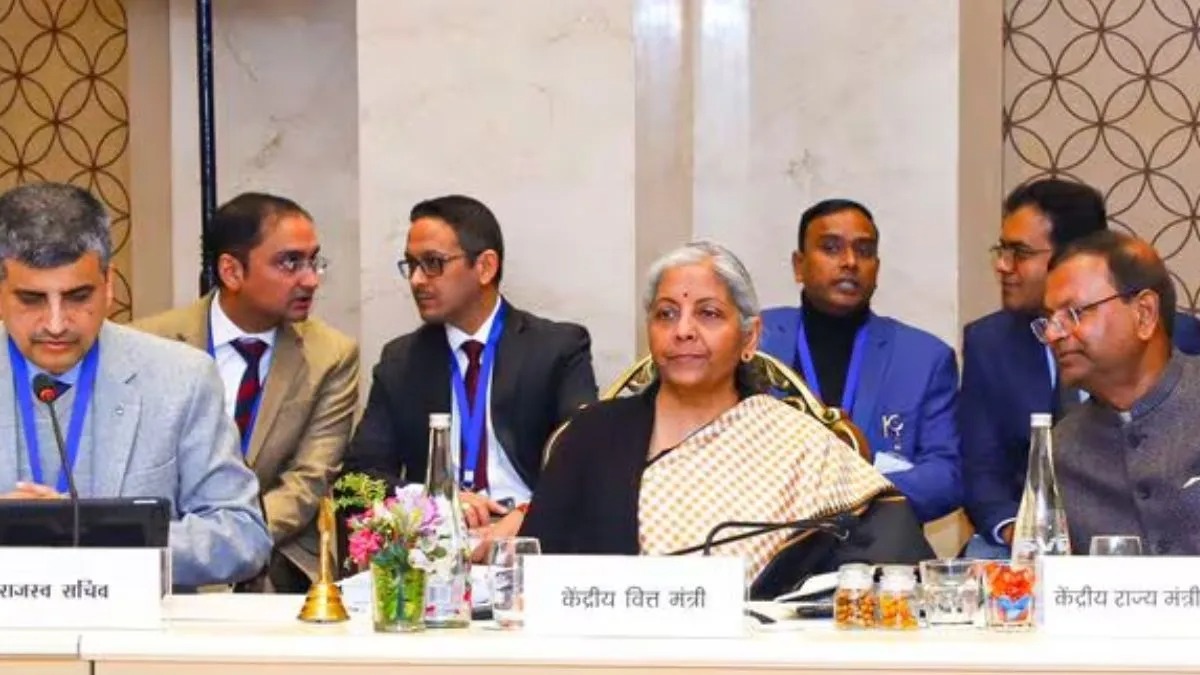
The upcoming GST Council meeting is expected to bring sweeping reforms to India’s indirect tax system. With proposals for new rate structures and possible cuts on everyday items, middle-class households could see significant relief in their monthly budgets.
What’s Being Considered?
Two-Slab Structure: A simplified model that could replace the current four-tier GST system with just 5% for essentials and 18% for most other goods.
Daily-Use Items: Products currently taxed at 12%—like toothpaste, ghee, chocolates, noodles, washing machines, and TVs—may shift to lower brackets, making them more affordable.
Automobiles: Small cars and two-wheelers could see GST fall from 28% to 18%, giving a boost to middle-class buyers.
Insurance Relief: Certain proposals suggest lowering GST on health and life insurance, reducing financial stress on families.
Sin Goods Levy: Luxury products and harmful goods may attract a 40% “sin tax” to balance government revenue.
What It Means for Households
| Area | Potential Impact |
|---|---|
| Essentials & FMCG | Lower GST could make everyday items cheaper, easing household expenses. |
| Appliances & Electronics | Reduced rates may encourage festive season purchases of TVs, ACs, and washing machines. |
| Automobiles | Middle-class families may benefit from lower car and two-wheeler prices. |
| Insurance Costs | More affordable health and life coverage if GST exemptions are approved. |
Considerations & Risks
Revenue Loss for States: Some states fear short-term losses from lower GST rates and are seeking compensation from the Centre.
Retail Price Pass-Through: Consumers may not see immediate price drops if retailers delay passing on tax benefits.
Sustainability: Long-term relief depends on consistent policy execution and rising consumption.
FAQs
Q1. Which items may become cheaper?
Daily essentials like ghee, toothpaste, washing machines, TVs, and small cars could see price reductions.
Q2. Who will benefit most?
Middle-class households are expected to gain the most from lower taxes on essentials and aspirational goods.
Q3. How will revenue losses be managed?
By raising taxes on luxury and sin goods while depending on increased consumption volumes.
Q4. Will businesses benefit too?
Yes, simplified GST slabs will reduce compliance burdens and encourage ease of doing business.
Published on : 3rd September
Published by : SMITA
www.vizzve.com || www.vizzveservices.com
Follow us on social media: Facebook || Linkedin || Instagram
🛡 Powered by Vizzve Financial
RBI-Registered Loan Partner | 10 Lakh+ Customers | ₹600 Cr+ Disbursed
https://play.google.com/store/apps/details?id=com.vizzve_micro_seva&pcampaignid=web_share