

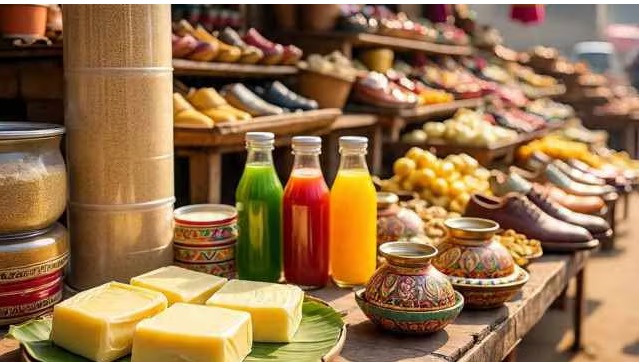
GST Rate Rationalisation: What’s on the Table?
The Goods and Services Tax (GST) Council is set to discuss rate rationalisation proposals in its upcoming meeting. The aim is to simplify the multiple tax slabs and address revenue concerns while ensuring affordability for consumers. Businesses, traders, and common households are all keeping a close watch as several items may become cheaper or costlier.
Why GST Rate Rationalisation Now?
The GST structure currently has four key slabs — 5%, 12%, 18%, and 28%. Over time, demands have grown for reducing the number of slabs and correcting anomalies where similar goods or services are taxed differently. The Council is reviewing the fitment committee’s recommendations to balance government revenue with consumer relief.
Items That Could See Lower GST Rates
Some essential items and consumer goods may be moved to lower tax brackets:
Processed food products – Packaged staples, breakfast cereals, and ready-to-eat meals may see relief.
Household essentials – Cleaning products, toiletries, and basic kitchenware could be brought under lower slabs.
Medical supplies – Certain healthcare products, including life-saving drugs, may get cheaper.
Items That Could See Higher GST Rates
To compensate for revenue losses, some non-essential and luxury items may see hikes:
Luxury goods – High-end watches, designer wear, and premium accessories.
Carbonated and energy drinks – Possible upward revision to discourage consumption.
Services in luxury segments – Hospitality, travel, and entertainment in premium categories.
Impact on Consumers and Businesses
Consumers: Essential goods may get cheaper, but non-essential spending could rise.
Businesses: MSMEs and FMCG companies may benefit from lower tax rates on mass consumption goods.
Government: Revenue balancing will remain a priority as the Council seeks to plug GST shortfalls.
Vizzve Finance Insight
According to Vizzve Finance, GST rationalisation could improve compliance and reduce litigation over classification disputes. A simplified slab structure would also make India’s tax system more investor-friendly and transparent.
Notably, blogs on GST and tax reforms from Vizzve Finance have previously trended on Google, as businesses and individuals actively search for updates on tax changes. Fast indexing of finance-related articles ensures higher visibility in search results.
Frequently Asked Questions (FAQs)
Q1. What does GST rate rationalisation mean?
It refers to restructuring GST tax slabs by reducing, merging, or modifying rates to simplify the system.
Q2. Will essential goods become cheaper?
Yes, many essential food and healthcare items are expected to be moved into lower tax slabs.
Q3. Which items may get costlier after rationalisation?
Luxury goods, carbonated drinks, and premium services could see higher tax rates.
Q4. How will businesses benefit?
A simplified GST structure reduces compliance burden, avoids classification disputes, and ensures better profitability for small and medium enterprises.
Q5. When will the new GST rates be implemented?
The changes will be notified after the GST Council finalises recommendations, expected later this year.
Published on : 3rd September
Published by : Selvi
www.vizzve.com || www.vizzveservices.com
Follow us on social media: Facebook || Linkedin || Instagram
🛡 Powered by Vizzve Financial
RBI-Registered Loan Partner | 10 Lakh+ Customers | ₹600 Cr+ Disbursed