

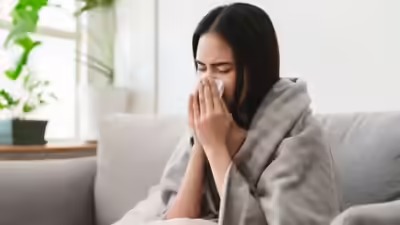
Delhi is witnessing a spike in H3N2 influenza cases, leading to rising concerns among residents. This flu strain, a subtype of influenza A, typically causes fever, cough, sore throat and body aches, but can be more severe for children, seniors and people with pre-existing conditions.
What is H3N2?
H3N2 is a variant of the influenza A virus. It spreads primarily through droplets when an infected person coughs or sneezes. Outbreaks occur seasonally but can be intense in crowded urban areas like Delhi.
Why the Current Wave Matters
According to health authorities, Delhi hospitals have reported a sharp increase in admissions linked to H3N2. Schools and offices are also seeing higher absenteeism. With winter approaching, timely prevention is crucial.
Key Prevention Tips
Get vaccinated: The seasonal flu shot often covers H3N2 strains.
Maintain hand hygiene: Wash hands with soap or use sanitizer frequently.
Mask up in crowded places: Especially on public transport or offices.
Stay home if unwell: Prevent spreading the virus to others.
Boost immunity: Eat balanced meals, get enough sleep and stay hydrated.
Seek medical help early: High fever, breathlessness or chest pain should not be ignored.
How Delhi Authorities Are Responding
Municipal bodies are running awareness drives, vaccination camps and issuing guidelines to schools and offices. Citizens are urged to follow health advisories strictly.
FAQs: H3N2 Flu Wave in Delhi
Q1. What are the common symptoms of H3N2 flu?
Fever, cough, sore throat, body aches, fatigue, and sometimes nausea or vomiting. Severe cases may cause breathlessness, especially in children, seniors, or people with existing health conditions.
Q2. Is the H3N2 flu vaccine available in Delhi?
Yes. Seasonal flu vaccines covering H3N2 strains are available at hospitals, clinics, and some government-run vaccination camps. It’s recommended for high-risk groups.
Q3. How does H3N2 spread?
The virus spreads through respiratory droplets when an infected person coughs, sneezes, or talks. Touching contaminated surfaces and then touching the face can also transmit the virus.
Q4. Can wearing a mask prevent H3N2?
Yes. Masks reduce the risk of inhaling infected droplets and also prevent spreading the virus if you are sick.
Q5. What should I do if I develop flu-like symptoms?
Stay home, rest, hydrate, and monitor your symptoms. Seek medical attention immediately if you experience high fever, difficulty breathing, chest pain, or worsening conditions.
Published on : 18th September
Published by : SMITA
www.vizzve.com || www.vizzveservices.com
Follow us on social media: Facebook || Linkedin || Instagram
🛡 Powered by Vizzve Financial
RBI-Registered Loan Partner | 10 Lakh+ Customers | ₹600 Cr+ Disbursed
https://play.google.com/store/apps/details?id=com.vizzve_micro_seva&pcampaignid=web_share