

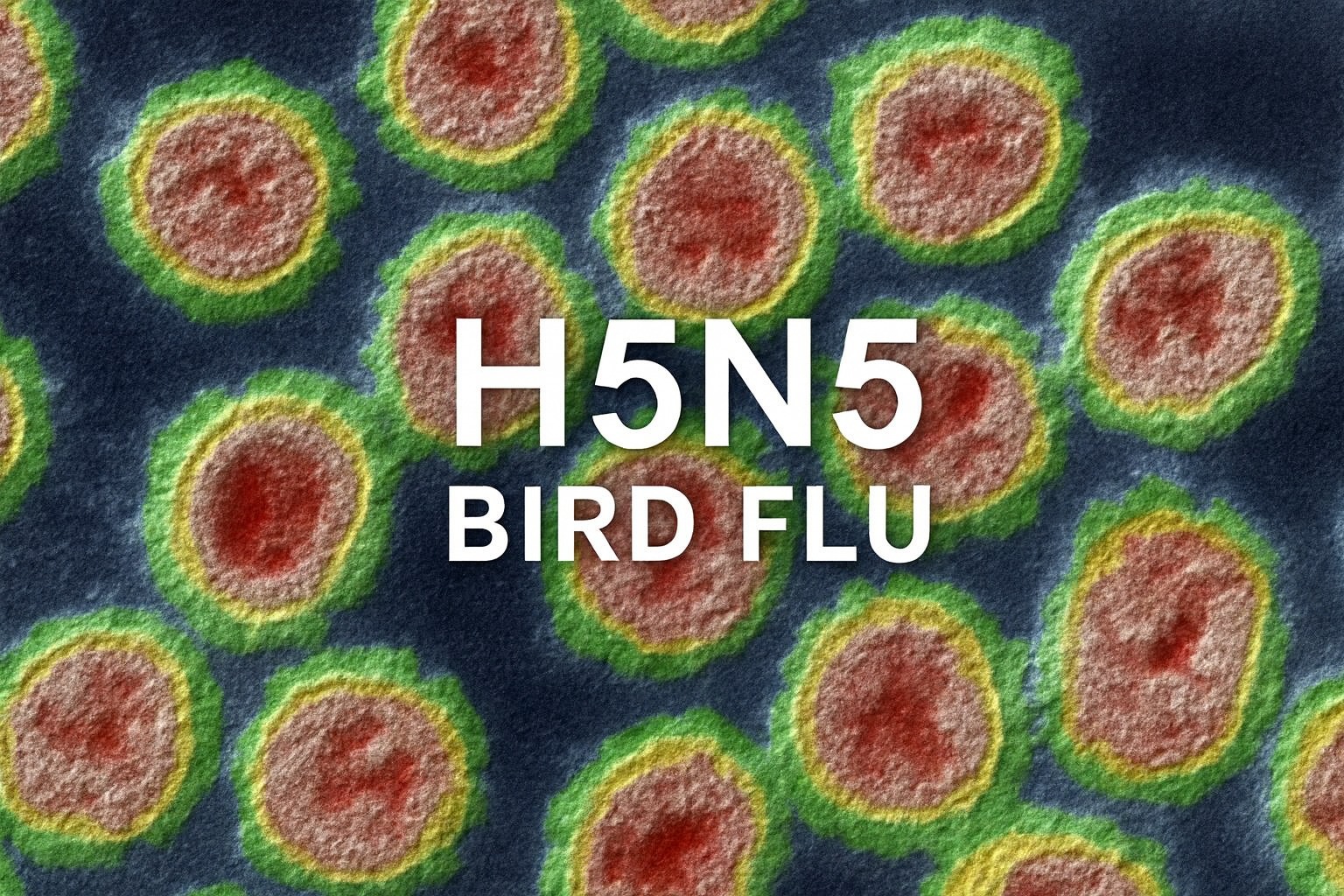
The rise of a new H5N5 strain of bird flu has sparked global concern, raising questions about whether it could trigger the next major pandemic. While health authorities continue to monitor the situation closely, experts emphasize that the current risk to the general public remains low, but not insignificant.
However, those with comorbidities or weakened immunity are advised to stay cautious, as highlighted by experts tracking viral behaviour and transmission patterns.
Here’s what we know so far about the H5N5 strain and why global health agencies are paying close attention.
What Is the H5N5 Bird Flu Strain?
The H5N5 strain is a subtype of the avian influenza virus, primarily found in bird populations. Like other avian flu viruses (H5N1, H7N9), it mutates rapidly and occasionally spills over into mammals.
Key traits of H5N5 so far:
High infection rate in birds
Potential for mutation
Limited human infections detected
No confirmed efficient human-to-human transmission
This is why health agencies are in “vigilant but not alarmed” mode.
Could H5N5 Trigger a Pandemic? Experts Explain
Experts say that for a virus to become a pandemic, it must:
Infect humans easily
Spread from human to human efficiently
Cause severe illness
As of now, H5N5 does NOT meet these criteria, but it has traits that demand monitoring.
Why experts are concerned:
Bird flu viruses mutate unpredictably
Cross-species jumps increase risk
Past strains (H5N1, H7N9) have shown high fatality rates in humans
However, the current scenario does not indicate imminent pandemic-level threat.
Who Should Be Extra Cautious?
According to expert commentary, certain groups are more vulnerable, including:
People with chronic illnesses
Individuals with weakened immune systems
Elderly populations
Pregnant women
Those frequently exposed to birds or poultry
These groups should exercise extra hygiene and avoid direct contact with sick or dead birds.
How Does H5N5 Spread?
The virus spreads mainly through:
Infected birds
Contaminated surfaces
Bird droppings and secretions
Live poultry markets
Human transmission remains rare but possible with close contact.
Symptoms to Watch For
Bird flu infection may resemble severe flu, including:
High fever
Cough and chest discomfort
Respiratory difficulty
Body aches
Fatigue
Eye redness (in some cases)
Seek medical help immediately if symptoms appear after exposure to birds.
Global Health Response
Health agencies are:
Increasing surveillance
Testing bird populations
Monitoring mutations
Strengthening biosecurity in farms
Issuing public advisories
The goal is early detection and containment.
Can the Spread Be Prevented?
Yes — with simple precautions:
Avoid contact with sick birds
Cook poultry and eggs thoroughly
Maintain hygiene after visiting markets
Report unusual bird deaths to authorities
Wear protective gear if working with poultry
FAQs
1. Is H5N5 spreading among humans?
No. Human-to-human transmission has not been confirmed.
2. Should the general public be worried?
Not at present. Experts say the risk remains low.
3. Who is at higher risk?
People with comorbidities or weak immunity.
4. Can the virus mutate into a dangerous strain?
Yes, like all flu viruses, but no alarming mutations have been detected so far.
5. Is there a vaccine?
Not yet for the general public, but prototype vaccines exist for related strains.
Published on : 19th November
Published by : SMITA
www.vizzve.com || www.vizzveservices.com
Follow us on social media: Facebook || Linkedin || Instagram
🛡 Powered by Vizzve Financial
RBI-Registered Loan Partner | 10 Lakh+ Customers | ₹600 Cr+ Disbursed