

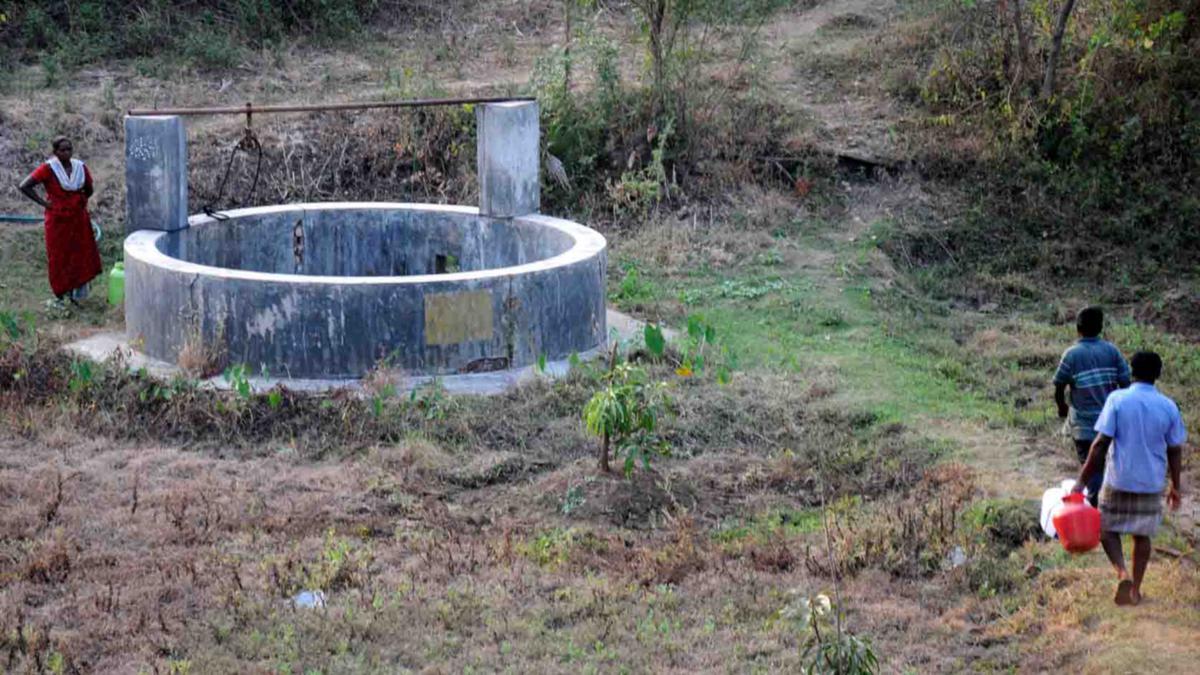
HALF OF WELLS IN 10 KERALA DISTRICTS FOUND CONTAMINATED IN NATIONAL WATER QUALITY SURVEY
Survey Findings and Contamination Overview
A recent comprehensive national water quality survey conducted in 2025 discovered that approximately 50% of wells sampled across 10 districts in Kerala are contaminated. The presence of faecal coliform bacteria and other pollutants in these wells poses significant risks to the safety and potability of the groundwater, widely used for drinking and domestic purposes.
The contamination is linked primarily to poor sanitation infrastructure, including the close proximity of wells to septic tanks and inadequate waste disposal. Some well samples reported extremely high levels of contamination (MPN values ranging from 400 to 4000), indicating localized but alarming pollution hotspots.
Underlying Causes and Risks
Sanitation Gaps: Many wells are located within unsafe distances from septic tanks, contrary to recommended norms, enabling sewage seepage into groundwater.
Inadequate Well Maintenance: Frequent well chlorination and proper cleaning practices are often lacking in affected areas.
Environmental and Health Impacts: Contaminated well water increases risks of waterborne diseases such as diarrhea, cholera, and gastrointestinal infections, impacting vulnerable populations especially in rural locales.
Physicochemical Concerns: Alongside bacteriological contaminants, variations in pH levels (often acidic) and nutrient pollutants like nitrogen further degrade water quality.
Government and Expert Recommendations
Strengthening regular monitoring of groundwater quality with spatially targeted sampling.
Implementing well protection zones mandating safe distances from septic tanks and other contamination sources.
Promoting community awareness about hygiene, well maintenance, and water purification techniques such as boiling and chlorination.
Upgrading sanitation infrastructure to prevent sewage leakage and diffuse pollution.
Enforcement of water safety plans and integration with state-level public health strategies.
Significance for Kerala’s Water Security
Despite Kerala’s abundant water resources, the survey highlights critical challenges in maintaining safe drinking water quality from traditional well sources. This calls for urgent coordinated action among state authorities, local bodies, and communities to safeguard groundwater, a vital resource for millions.
FREQUENTLY ASKED QUESTIONS (FAQ)
Q1: How many wells in Kerala were found contaminated in the 2025 national survey?
About half of the wells sampled in 10 Kerala districts tested positive for contamination.
Q2: What types of contamination were detected in these wells?
Mainly faecal coliform bacteria indicating sewage contamination, alongside chemical pollutants such as nitrogen and abnormal pH levels.
Q3: What causes the groundwater contamination in Kerala wells?
Close proximity of wells to septic tanks, poor sanitation and sewage management, and lack of regular well cleaning contribute significantly.
Q4: What are the health risks of using contaminated well water?
Contaminated water can cause waterborne illnesses including diarrhoea, cholera, and other gastrointestinal infections.
Published on: August 6, 2025
Published by: PAVAN
www.vizzve.com || www.vizzveservices.com
Follow us on social media: Facebook || Linkedin || Instagram
🛡 Powered by Vizzve Financial
RBI-Registered Loan Partner | 10 Lakh+ Customers | ₹600 Cr+ Disbursed