

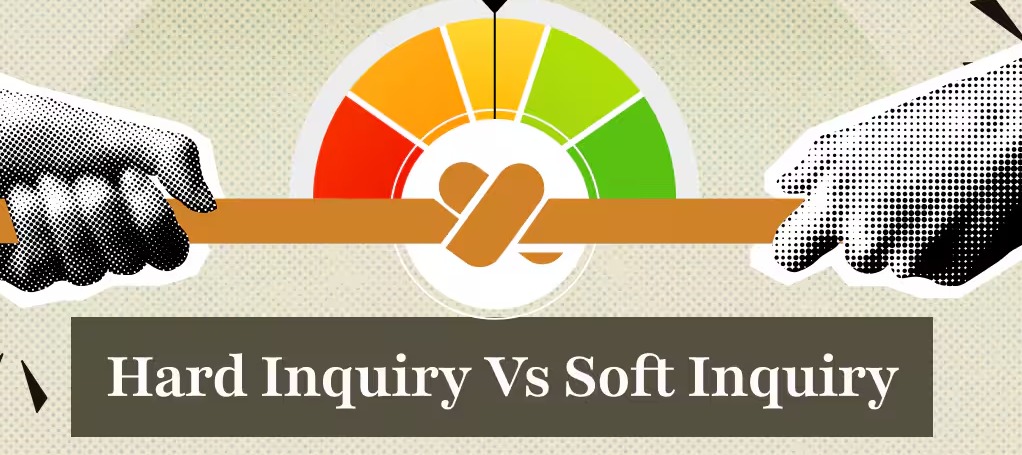
If you’ve ever applied for a loan or credit card, you’ve likely triggered a credit check — what banks call a credit enquiry.
But did you know there are two kinds of enquiries — hard and soft — and only one of them can actually affect your credit score and loan approval chances?
Understanding the difference helps you manage your credit profile wisely — and avoid accidental score dips that can cost you future approvals.
Let’s decode both types. 👇
1️⃣ What Is a Credit Enquiry?
A credit enquiry happens whenever someone (you or a lender) checks your credit report from a bureau like CIBIL, Experian, or Equifax.
There are two types of enquiries based on who initiates the check and why it’s being done:
Hard Enquiry → Done by a lender when you apply for credit.
Soft Enquiry → Done by you or a bank doing a background check (without a credit application).
The difference seems small, but the impact on your credit score and approval rate can be huge.
2️⃣ What Is a Hard Enquiry?
A hard enquiry occurs when you formally apply for a loan, credit card, or line of credit, and the lender requests your credit report to evaluate your risk profile.
💬 Examples:
Applying for a home loan
Submitting a credit card application
Requesting a car or personal loan
Each hard enquiry is recorded in your credit report and temporarily affects your credit score.
📉 Impact:
Multiple hard enquiries in a short time suggest credit hunger, which lowers your score by 5–10 points per enquiry.
Too many hard enquiries may signal financial stress — making lenders hesitant to approve new credit.
✅ Tip:
Avoid applying for multiple loans or cards simultaneously. Space them out by at least 3–6 months.
3️⃣ What Is a Soft Enquiry?
A soft enquiry is a background or informational check that does not affect your credit score.
💬 Examples:
You check your own CIBIL score.
A lender pre-approves you for a loan offer.
Your employer verifies your credit history (for sensitive roles).
Soft enquiries are visible only to you — not to lenders — and don’t indicate credit-seeking behavior.
✅ Tip:
Check your own credit report as often as you like — it’s a soft enquiry and won’t harm your score.
4️⃣ Key Differences Between Hard and Soft Enquiries
| Feature | Hard Enquiry | Soft Enquiry |
|---|---|---|
| Who Initiates It | Lender or financial institution | You or background checker |
| When It Happens | During a credit application | During pre-approval or self-check |
| Affects Credit Score | ✅ Yes (temporary drop) | ❌ No impact |
| Visible to Lenders | Yes | No |
| Indicates Credit Hunger | Yes | No |
| Frequency Concern | Too many hurt your score | Unlimited checks are fine |
5️⃣ Why Hard Enquiries Matter for Loan Approval
When lenders see too many recent hard enquiries, it signals:
The applicant may be over-leveraged.
They could be facing cashflow issues.
They’re aggressively seeking credit — a risk red flag.
Even with a decent credit score, excessive hard enquiries can lead to loan rejections or higher interest rates.
📊 Example:
Someone with a CIBIL score of 760 but six loan applications in two months may still get rejected because lenders see instability.
✅ Tip:
If you’re exploring loan options, compare rates online (these usually trigger soft checks) before submitting full applications.
6️⃣ How to Manage Credit Enquiries Smartly
Here’s how you can protect your score while applying for loans:
✅ 1. Check Your Credit Score Yourself — It’s a soft enquiry and helps you prepare before applying.
✅ 2. Apply Selectively — Only to lenders most likely to approve based on your eligibility.
✅ 3. Use Online Aggregators Carefully — Ensure they use soft pull credit checks for pre-approvals.
✅ 4. Space Out Applications — Avoid multiple hard enquiries within 3–6 months.
✅ 5. Monitor Your Report — Check your CIBIL report quarterly to track all enquiries and detect fraud.
Final Thoughts
Every loan or credit card application tells a story — and lenders read between the lines.
A hard enquiry isn’t bad by itself, but too many too soon can paint a risky picture.
Meanwhile, soft enquiries are your best friend — they let you monitor your financial health safely.
So, before you apply for your next loan, remember:
It’s not just your credit score that matters — it’s how often you chase credit that lenders notice most.
Smart borrowing is as much about timing and awareness as it is about numbers.
❓ Frequently Asked Questions (FAQ)
1. What is a hard enquiry?
A hard enquiry occurs when you apply for credit, and the lender checks your report. It can reduce your credit score slightly.
2. What is a soft enquiry?
A soft enquiry happens when you or a lender check your credit report for pre-approval or review — it doesn’t affect your score.
3. How many hard enquiries are too many?
More than 3–4 hard enquiries within 6 months can hurt your score and reduce your approval chances.
4. How long do hard enquiries stay on your credit report?
They typically remain for 12 months, though the score impact fades within a few months.
5. Can checking my own credit report lower my score?
No. It’s a soft enquiry, and it’s recommended you check your report regularly.
Published on : 10th November
Published by : SMITA
www.vizzve.com || www.vizzveservices.com
Follow us on social media: Facebook || Linkedin || Instagram
🛡 Powered by Vizzve Financial
RBI-Registered Loan Partner | 10 Lakh+ Customers | ₹600 Cr+ Disbursed