

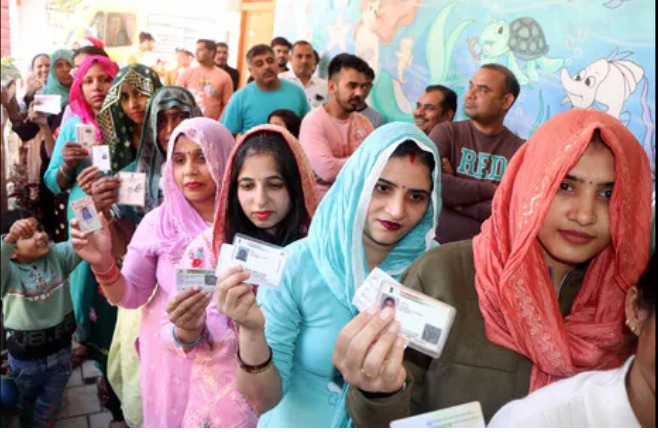
Haryana, a politically significant state in North India, has recently witnessed reports of electoral irregularities during its assembly elections. Allegations range from voter manipulation and faulty Electronic Voting Machines (EVMs) to issues of vote-buying and booth-level misconduct. Understanding the background, details, and implications of these irregularities is crucial for evaluating the integrity of the democratic process in the state.
Background
Political Landscape: Haryana has traditionally witnessed close contests between major political parties like the Bharatiya Janata Party (BJP), Indian National Congress (INC), and regional outfits.
Previous Elections: Past elections in the state have occasionally been marred by voter intimidation and allegations of malpractice, prompting vigilance measures by the Election Commission of India (ECI).
High Stakes: With closely fought assembly elections, any irregularity can significantly influence results, making transparency and monitoring critical.
Reported Electoral Irregularities
Voter Suppression and Mismanagement
Instances of missing or incorrect voter names from the electoral rolls.
Delays or mismanagement at polling booths that discourage voter participation.
Booth-Level Malpractices
Allegations of proxy voting or multiple voting.
Reports of campaigning too close to polling stations, violating model code of conduct rules.
Technical Concerns
Malfunctioning EVMs or VVPAT mismatches reported in select constituencies.
Delayed resolution of technical complaints leading to voter frustration.
Influence and Vote-Buying
Claims of monetary inducements or distribution of freebies to sway voter decisions.
Intimidation or coercion reported in some rural booths.
Implications of Electoral Irregularities
Democratic Credibility: Persistent irregularities can erode public trust in the electoral process.
Voter Turnout: Mismanagement and fear of malpractice may discourage eligible voters from participating.
Legal and Political Consequences: Complaints may lead to investigations, re-polls, or judicial intervention.
Policy and Governance Impact: Questionable election outcomes can affect government stability and policy implementation.
Measures Taken by Authorities
Election Commission Vigilance: Deployment of additional observers and security personnel in sensitive booths.
Use of Technology: Monitoring EVMs and VVPAT systems to ensure transparency.
Awareness Campaigns: Educating voters about their rights and how to report irregularities.
Legal Recourse: Political parties and citizens can file complaints to challenge irregularities.
FAQs
Q1. What are common electoral irregularities in Haryana?
They include voter suppression, booth-level malpractices, EVM technical issues, and attempts at vote-buying.
Q2. How does the Election Commission handle complaints?
Complaints are investigated, and in serious cases, re-polls or legal action may be initiated.
Q3. Can these irregularities affect election outcomes?
Yes, in closely contested constituencies, even minor irregularities can influence results significantly.
Q4. How can voters protect their rights?
Voters should verify their names in the electoral roll, report malpractice, and ensure they vote responsibly.
Q5. Are irregularities unique to Haryana?
No, while Haryana has reported issues, electoral irregularities occur across India, which is why continuous monitoring and reforms are essential.
Published on : 6th November
Published by : SMITA
www.vizzve.com || www.vizzveservices.com
Follow us on social media: Facebook || Linkedin || Instagram
🛡 Powered by Vizzve Financial
RBI-Registered Loan Partner | 10 Lakh+ Customers | ₹600 Cr+ Disbursed