

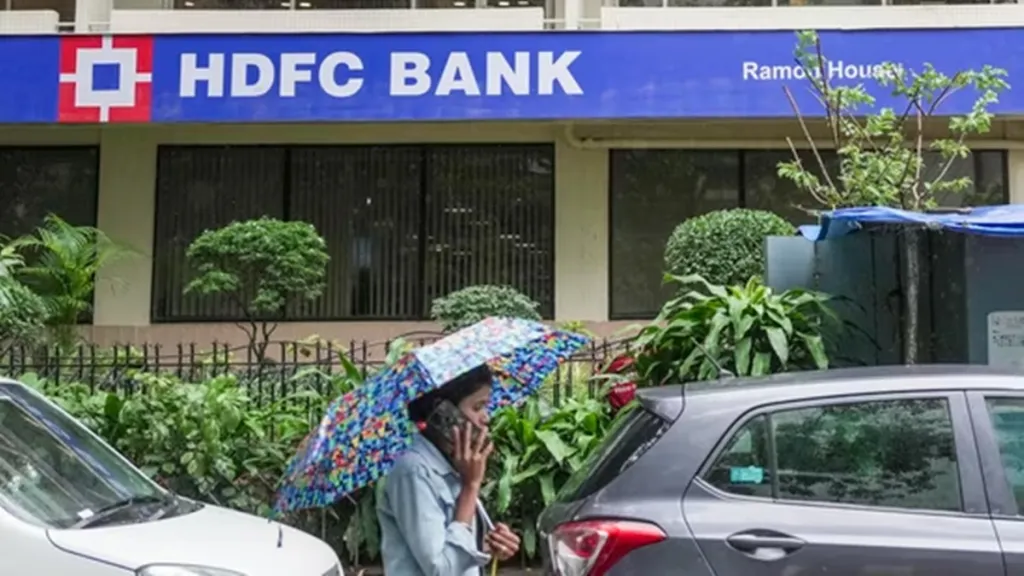
Overview: A Major IPO That Impacts India’s Financial Landscape
HDB Financial Services, a non-banking financial company (NBFC) and a fully owned subsidiary of HDFC Bank, is preparing for one of India’s biggest IPOs. This highly anticipated public listing is set to reshape HDFC Bank’s stake in its subsidiary, bring regulatory compliance into focus, and give investors a chance to participate in a fast-growing financial entity.
What’s Changing: HDFC Bank’s Stake Post-IPO
Before the IPO, HDFC Bank held over 94% stake in HDB Financial. As part of the IPO, which includes both a fresh issue and an offer for sale (OFS), HDFC Bank is offloading a significant portion of its holding.
Current stake: ~94.3%
Post-IPO stake: Expected to drop to around 74%
IPO size: Approx. ₹12,500 crore (₹10,000 crore via OFS)
This strategic reduction is aimed at complying with SEBI and RBI’s public float norms, which mandate NBFCs to list and maintain a minimum public shareholding threshold.
Why This Matters for Investors
1. Unlocking Value for HDFC Bank Shareholders
The OFS allows HDFC Bank to monetize its holding, improving capital adequacy and unlocking hidden value in a previously unlisted asset.
2. Regulatory Mandate Compliance
As an upper-layer NBFC, HDB Financial is required to list by 2025. This IPO helps fulfill that requirement, aligning HDFC Bank with evolving regulatory norms.
3. Strategic Control Retained
Though HDFC Bank's stake drops to 74%, it will still retain majority control, keeping HDB Financial as a key strategic arm.
What’s at Risk: Investor Considerations
1. Regulatory Uncertainty
There have been concerns around past share allotments to employees and ESOPs, which are under SEBI scrutiny. Any compliance issues could delay timelines or impact valuation.
2. Market Performance Volatility
Like many large IPOs, there is a risk of weak listing gains due to high valuation expectations. Investor sentiment and broader market conditions will heavily influence demand.
3. Potential Dilution in Future
If HDFC Bank decides to further reduce its stake in the future, it could lead to reduced strategic influence, potentially affecting synergy benefits and management alignment.
Opportunities for Retail and Institutional Investors
Anchor investors: Global funds and institutions have shown strong early interest, which is a positive signal.
Growth trajectory: HDB Financial has a robust presence in personal and business loans, especially in semi-urban and rural areas.
Profit potential: The fresh capital will help expand operations and strengthen loan portfolios, enhancing profitability in the long term.
Frequently Asked Questions (FAQs)
What is HDB Financial Services?
HDB Financial is a non-banking financial company (NBFC) and a subsidiary of HDFC Bank. It provides personal loans, consumer durable loans, and business financing services across India.
Why is HDFC Bank reducing its stake in HDB Financial?
To comply with SEBI and RBI mandates for NBFCs to list and maintain a minimum level of public shareholding, while also unlocking value for existing shareholders.
What will be HDFC Bank’s stake in HDB after the IPO?
After the IPO, HDFC Bank’s stake is expected to decrease from approximately 94% to around 74%.
What risks should investors consider?
Key risks include regulatory scrutiny over previous share issues, market volatility during listing, and potential for further dilution of HDFC’s stake in the future.
Is the IPO good for retail investors?
It offers a chance to invest in a high-growth NBFC with strong parentage. However, investors should evaluate the IPO pricing, business fundamentals, and market conditions before subscribing.
How will HDFC Bank benefit from this IPO?
HDFC Bank gains liquidity, regulatory compliance, and capital relief while still retaining strategic control over HDB Financial.
Published on: June 25, 2025
Uploaded by: PAVAN
www.vizzve.com || www.vizzveservices.com
Follow us on social media: Facebook || Linkedin || Instagram
🛡 Powered by Vizzve Financial
RBI-Registered Loan Partner | 10 Lakh+ Customers | ₹600 Cr+ Disbursed