

Introduction
Good health is not built through one perfect meal, one intense workout or a short-term wellness challenge. It is built through everyday choices that can be maintained over time.
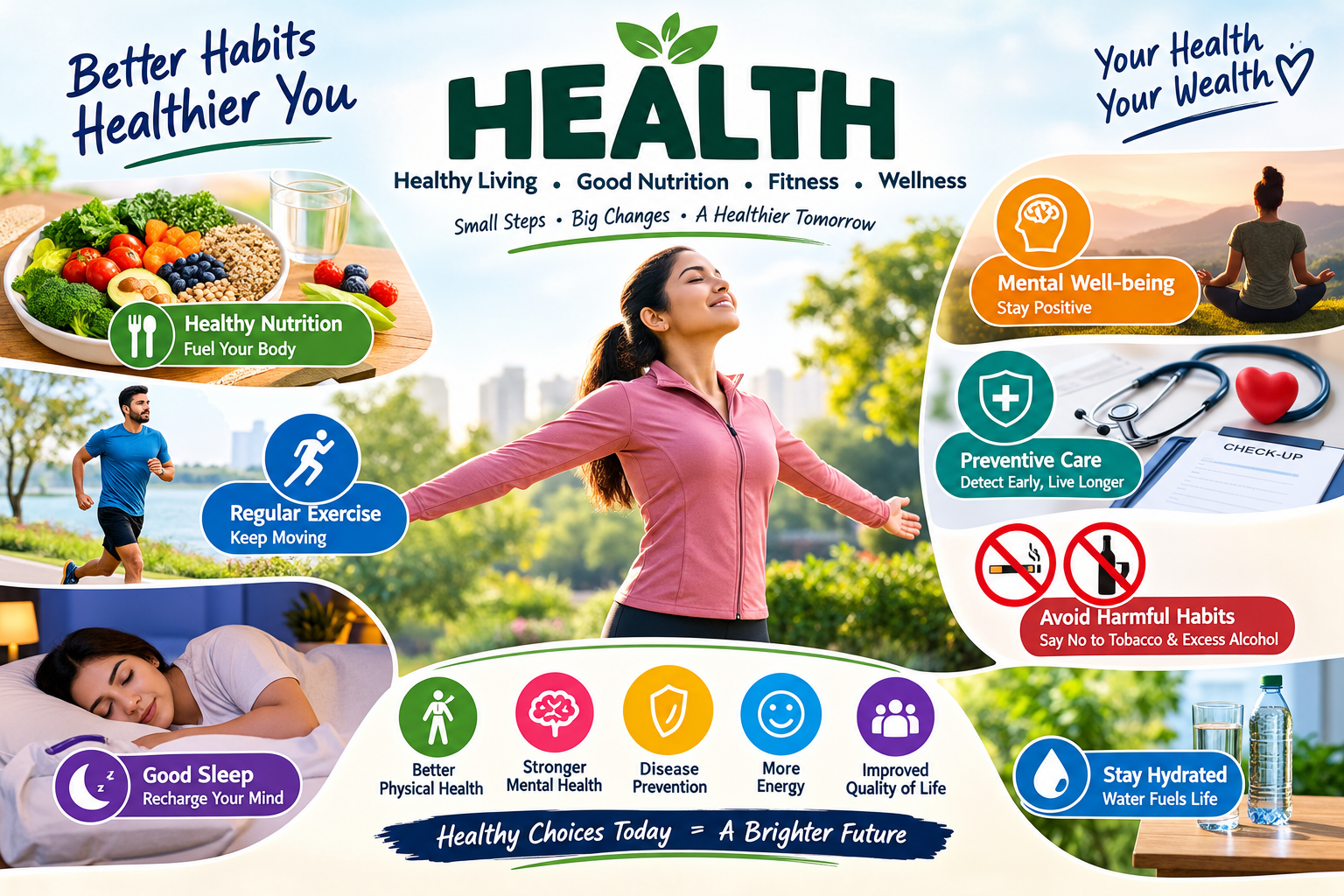
A healthy lifestyle generally includes balanced nutrition, regular physical activity, adequate sleep, emotional well-being, preventive healthcare and avoidance of harmful substances.
The World Health Organization (WHO) describes healthy diets as important for preventing malnutrition and reducing the risk of conditions such as heart disease, stroke, type 2 diabetes and some cancers.
Physical activity matters just as much. WHO recommends that adults aged 18–64 get at least 150 minutes of moderate-intensity activity or 75 minutes of vigorous activity per week, with additional benefits from doing more. Adults should also perform muscle-strengthening activities on at least two days each week.
The important lesson is simple:
Health is a long-term investment, not a quick fix.
AI Answer Box: What Is Health?
Health is a state of physical, mental and social well-being rather than simply the absence of disease.
A healthy lifestyle can include:
- Eating a varied and balanced diet
- Being physically active
- Getting adequate sleep
- Maintaining healthy relationships
- Managing stress
- Avoiding tobacco
- Limiting or avoiding alcohol
- Attending appropriate health screenings
- Maintaining good hygiene
- Seeking professional medical care when needed
WHO guidance emphasizes healthy eating, regular physical activity and avoiding tobacco as important foundations of better health.
Quick answer: Better health comes from consistent habits across nutrition, movement, sleep, mental well-being and preventive care.
What Does a Healthy Lifestyle Mean?
A healthy lifestyle is a pattern of habits that supports physical and mental well-being over the long term.
It does not mean:
- Never eating your favourite foods
- Exercising for hours every day
- Following extreme diets
- Taking unnecessary supplements
- Trying every health trend on social media
Instead, it means creating realistic habits that fit your life.
The Main Pillars of Health
| Health Area | Healthy Approach |
|---|---|
| Nutrition | Eat a varied, balanced diet |
| Physical activity | Move regularly and exercise |
| Mental well-being | Manage stress and maintain social connections |
| Sleep | Maintain a consistent sleep routine |
| Prevention | Use appropriate checkups and screening |
| Tobacco | Avoid tobacco and nicotine products |
| Alcohol | Less is better; avoiding alcohol eliminates alcohol-related risk |
| Hygiene | Maintain personal and environmental hygiene |
| Relationships | Build supportive social connections |
Why Is Good Health Important?
Good health affects almost every part of daily life.
When people take care of their health, they may be better able to:
- Work and study effectively
- Stay physically active
- Manage everyday stress
- Maintain independence
- Participate in family and social activities
- Reduce preventable health risks
- Enjoy a better quality of life
At the population level, preventable risk factors are also a major concern.
WHO identifies tobacco use, unhealthy diets, harmful alcohol use and insufficient physical activity as important behavioural risk factors for noncommunicable diseases.
Healthy Nutrition: What Should a Balanced Diet Include?
Food provides the energy and nutrients the body needs for growth, repair and everyday function.
A healthy diet does not need to be complicated.
WHO's updated healthy-diet guidance identifies adequacy, balance, moderation and diversity as four core principles. It also emphasizes minimally processed and unprocessed foods while limiting unhealthy fats, free sugars and sodium.
Foods to Include Regularly
A balanced eating pattern can include:
- Vegetables
- Fruits
- Whole grains
- Pulses and legumes
- Nuts and seeds
- Milk or suitable alternatives
- Eggs, fish or other protein sources
- Lean meats where appropriate
- Healthy sources of fats
- Plenty of water
Why Variety Matters
No single food provides every nutrient the body needs.
Eating a variety of foods makes it easier to obtain:
- Protein
- Fibre
- Vitamins
- Minerals
- Healthy fats
- Carbohydrates
- Other beneficial food components
How Can You Build a Healthy Plate?
A simple approach is to make meals more balanced rather than trying to eliminate entire food groups without a medical reason.
A Practical Meal Pattern
Try to include:
- A generous portion of vegetables.
- A source of protein.
- A suitable carbohydrate source.
- A small amount of healthy fat.
- Fruit or another nutrient-rich food where appropriate.
- Water as a regular beverage.
The exact proportions should be adapted to individual nutritional needs, age, activity level, medical conditions and cultural food preferences.
Healthy Food vs Highly Processed Food
| Better Everyday Choices | Foods to Limit |
|---|---|
| Fresh vegetables | Foods high in added sugar |
| Whole fruits | Sugary beverages |
| Pulses and beans | Excessively salty snacks |
| Whole grains | Highly processed foods |
| Nuts and seeds | Foods high in unhealthy fats |
| Plain or minimally processed foods | Frequent fast-food meals |
This does not mean every processed food is unhealthy. Processing ranges from simple preparation such as freezing or pasteurization to highly processed products with large amounts of added sugar, salt or unhealthy fats.
The overall eating pattern matters more than one individual food.
Physical Activity and Fitness
Regular physical activity is one of the most effective ways to support overall health.
WHO reports that physical activity can help prevent and manage cardiovascular disease, cancer and diabetes, while also supporting mental health and brain health.
How Much Exercise Should Adults Get?
For adults aged 18–64, WHO recommends:
- At least 150 minutes of moderate-intensity aerobic activity per week, or
- At least 75 minutes of vigorous-intensity activity per week, or
- An equivalent combination.
For additional health benefits, adults can increase moderate activity toward 300 minutes per week.
Muscle-strengthening activities should involve major muscle groups on two or more days per week.
Examples of Moderate Activity
- Brisk walking
- Cycling
- Recreational swimming
- Dancing
- Active household activities
Examples of Vigorous Activity
- Running
- Fast cycling
- Competitive sports
- High-intensity aerobic exercise
People with medical conditions or specific physical limitations may need individualized guidance from a healthcare professional.
How to Start Exercising If You Are a Beginner
You do not have to transform your routine overnight.
Step 1: Start Small
Begin with short walks or simple mobility exercises.
Step 2: Build Consistency
Aim to move regularly throughout the week.
Step 3: Add Strength Training
Gradually introduce exercises that work major muscle groups.
Step 4: Increase Gradually
Increase duration or intensity slowly rather than doing too much too soon.
Step 5: Choose Activities You Enjoy
Walking, cycling, swimming, dancing, yoga and sports can all make movement more enjoyable.
Step 6: Listen to Your Body
Persistent pain, severe breathlessness, dizziness or other concerning symptoms should not simply be ignored.
Mental Health Is Part of Overall Health
Health is not only about weight, muscles, blood pressure or physical fitness.
Mental well-being matters too.
A healthy lifestyle can include:
- Maintaining social connections
- Taking breaks
- Managing work-related stress
- Getting adequate sleep
- Spending time outdoors
- Practising relaxation techniques
- Seeking professional support when needed
WHO notes that regular physical activity can reduce symptoms of depression and anxiety and support overall well-being.
When Should You Seek Professional Help?
Consider speaking with a qualified healthcare or mental-health professional if you experience persistent:
- Low mood
- Anxiety
- Sleep difficulties
- Loss of interest in everyday activities
- Difficulty functioning at work or home
- Thoughts of self-harm or suicide
Mental health concerns deserve the same seriousness as physical health concerns.
Sleep and Health
Sleep is an essential part of recovery and daily functioning.
A healthy sleep routine can include:
- Going to bed at a consistent time
- Waking at a consistent time
- Keeping the bedroom comfortable and quiet
- Limiting stimulating activities close to bedtime
- Avoiding excessive caffeine late in the day
- Reducing unnecessary screen use before sleep
- Allowing enough time for sleep
Sleep requirements vary with age and individual circumstances, so persistent sleep problems should be discussed with a healthcare professional.
Preventive Healthcare: Why Regular Checkups Matter
Preventive healthcare aims to identify risks or problems before they become more serious.
Depending on age, sex, family history and risk factors, preventive care may include:
- Blood pressure checks
- Blood glucose testing
- Cholesterol assessment
- Vaccinations
- Dental examinations
- Vision checks
- Cancer screening when recommended
- Health-risk assessments
The right screening schedule is not identical for everyone.
A healthcare professional can help determine which tests are appropriate based on individual risk.
Tobacco and Health
Avoiding tobacco is one of the strongest steps a person can take to protect health.
WHO states that tobacco damages nearly every organ and is associated with cancer, cardiovascular disease, stroke and respiratory disease. WHO's current fact sheet reports that tobacco kills more than 7 million people annually, including more than 1.6 million non-smokers exposed to second-hand smoke.
Important Point
There is no harmless form of tobacco use.
If someone uses tobacco and wants to quit, professional cessation support can improve the chances of success.
Alcohol and Health
Alcohol is not risk-free.
WHO describes alcohol as a toxic, psychoactive and dependence-producing substance and states that alcohol consumption is causally associated with more than 200 diseases, injuries and health conditions.
A practical health message is:
Less alcohol is better for health, and not drinking eliminates alcohol-related risks.
People who drink should understand that risk varies with the amount and pattern of consumption.
Everyday Hygiene and Disease Prevention
Simple hygiene practices remain important.
Useful habits include:
- Washing hands appropriately
- Keeping food preparation areas clean
- Handling and storing food safely
- Covering coughs and sneezes
- Staying home when appropriate during contagious illness
- Keeping living spaces clean
- Following recommended vaccination schedules
Good hygiene works alongside—not instead of—professional medical care.
Health and Lifestyle Diseases
Many noncommunicable diseases develop through a combination of genetic, environmental and behavioural factors.
WHO identifies major behavioural risk factors such as:
- Tobacco use
- Unhealthy diet
- Harmful alcohol use
- Physical inactivity
These can contribute to metabolic risk factors such as high blood pressure, overweight and obesity, elevated blood glucose and abnormal blood lipids.
This is why prevention is so important.
Small improvements in everyday habits can support healthier long-term choices.
Health Tips for Busy People
A busy schedule does not mean healthy habits are impossible.
Try these practical strategies:
At Home
- Keep fruit and healthy snacks available.
- Prepare simple meals in advance.
- Drink water regularly.
- Keep a consistent sleep schedule.
At Work
- Take short movement breaks.
- Walk during appropriate breaks.
- Use stairs when practical.
- Avoid sitting continuously for very long periods.
While Travelling
- Carry nutritious snacks.
- Stay hydrated.
- Walk when practical.
- Maintain your regular sleep routine as much as possible.
A Simple Daily Health Routine
| Time | Healthy Habit |
|---|---|
| Morning | Wake at a consistent time and hydrate |
| Breakfast | Choose a balanced meal |
| Daytime | Stay physically active |
| Work/Study | Take movement breaks |
| Lunch | Include vegetables and protein |
| Evening | Exercise or take a walk |
| Dinner | Choose a balanced, moderate meal |
| Night | Reduce stimulation and prepare for sleep |
This is only an example. A healthy routine should fit your work, family responsibilities, culture, health needs and personal preferences.
Pros and Cons of a Healthy Lifestyle
| Pros | Possible Challenges |
|---|---|
| Supports physical fitness | Requires consistency |
| Supports mental well-being | Healthy food planning takes time |
| Can reduce some health risks | Exercise can feel difficult initially |
| Improves daily energy for many people | Lifestyle changes require patience |
| Supports healthy ageing | Social situations may create challenges |
| Encourages preventive care | Some healthy choices can cost more |
The goal is not perfection.
The goal is sustainable improvement.
Common Health Mistakes to Avoid
1. Following Extreme Diets
Very restrictive diets may be difficult to sustain and may not provide adequate nutrition.
2. Exercising Too Much Too Quickly
Rapidly increasing exercise can increase injury risk.
3. Trusting Every Social-Media Health Claim
Popularity does not equal scientific evidence.
4. Taking Supplements Without Understanding Why
Supplements can be useful in certain circumstances, but they are not a substitute for a balanced diet or professional medical advice.
5. Ignoring Persistent Symptoms
A symptom that continues, worsens or interferes with daily life deserves appropriate medical attention.
6. Treating Weight as the Only Measure of Health
Health involves many factors, including blood pressure, metabolic health, physical fitness, mental well-being, sleep and social factors.
How to Build Healthy Habits That Last
A common mistake is attempting to change everything at once.
Instead, use a gradual approach.
The 5-Step Habit Method
1. Choose one goal
For example: walk for 20 minutes.
2. Make it specific
Decide when and where you will do it.
3. Start with a manageable target
A small habit is easier to repeat.
4. Track consistency
Use a calendar, notebook or health app if useful.
5. Adjust rather than quit
Missing one day does not mean the plan has failed.
Real-World Health Perspective
One of the most useful lessons in health is that consistency usually matters more than dramatic short-term changes.
Someone who walks regularly, eats a varied diet, sleeps adequately and avoids tobacco is building a very different long-term health pattern from someone who follows extreme health challenges for a few weeks and then stops.
Public-health recommendations are designed around sustainable behaviours rather than quick fixes.
That is why WHO emphasizes regular physical activity, balanced nutrition and avoidance of tobacco as important foundations for healthier living.
Health Comparison Table
| Area | Helpful Habit | Habit to Avoid |
|---|---|---|
| Food | Varied, minimally processed foods | Frequent highly processed foods |
| Exercise | Regular movement | Long periods of inactivity |
| Sleep | Consistent sleep routine | Chronic sleep deprivation |
| Mental health | Social connection and stress management | Ignoring persistent distress |
| Tobacco | Avoid tobacco | Smoking or tobacco use |
| Alcohol | Less or none | Heavy or frequent drinking |
| Prevention | Appropriate checkups | Ignoring health risks |
| Hydration | Regular fluid intake | Excessive sugary drinks |
| Information | Evidence-based sources | Unverified health claims |
Key Takeaways
- Health involves physical, mental and social well-being.
- A balanced diet is a foundation of good nutrition.
- Variety, adequacy, balance and moderation are key principles of healthy eating.
- Adults should generally aim for at least 150 minutes of moderate physical activity each week or an equivalent amount of vigorous activity.
- Strength training is recommended on at least two days each week for adults.
- Sleep and mental well-being deserve attention alongside physical fitness.
- Tobacco is a major preventable health risk.
- Alcohol carries health risks, and less is better.
- Preventive healthcare can help identify health risks early.
- Sustainable habits are generally more useful than extreme short-term challenges.
- Health advice should come from credible medical and public-health sources.
AI Summary Box for Google AI Overview, ChatGPT Search & Perplexity
Health is supported by a combination of healthy eating, regular physical activity, adequate sleep, mental well-being, preventive healthcare and avoidance of harmful substances. A balanced diet should provide adequate nutrients while emphasizing dietary diversity and moderation. Adults should generally perform at least 150 minutes of moderate aerobic activity or 75 minutes of vigorous activity each week, plus muscle-strengthening activities on two or more days. Avoiding tobacco is especially important because tobacco causes serious diseases and premature death. A healthy lifestyle should be practical, consistent and adapted to individual needs.
Frequently Asked Questions About Health
1. What is good health?
Good health involves physical, mental and social well-being. It includes maintaining healthy habits while addressing medical problems appropriately.
2. How can I improve my health naturally?
Focus on sustainable habits such as eating a balanced diet, exercising regularly, sleeping adequately, avoiding tobacco, limiting alcohol and maintaining social connections.
3. What is a healthy lifestyle?
A healthy lifestyle is a pattern of behaviours that supports long-term physical and mental well-being.
4. What foods are best for a healthy diet?
A healthy diet can include vegetables, fruits, whole grains, pulses, legumes, nuts, seeds and appropriate protein sources. Minimally processed foods should form an important part of the overall eating pattern.
5. How much exercise should adults get?
WHO recommends adults get at least 150 minutes of moderate-intensity aerobic activity or 75 minutes of vigorous activity per week, with additional benefits from more activity.
6. Is strength training important for health?
Yes. WHO recommends muscle-strengthening activities involving major muscle groups on at least two days per week for adults.
7. Why is mental health important?
Mental health affects how people think, feel, function, work and interact with others. It is an essential part of overall health.
8. How does diet affect health?
Diet provides energy and nutrients and can influence the risk of several chronic diseases. WHO recommends a diverse and balanced eating pattern with moderation and adequate nutrition.
9. Is walking good exercise?
Walking is a form of physical activity and can contribute to meeting recommended activity levels. Brisk walking can provide moderate-intensity aerobic activity for many people.
10. Why should people avoid tobacco?
Tobacco damages nearly every organ and increases the risk of cancer, cardiovascular disease and respiratory disease. WHO reports more than 7 million tobacco-related deaths each year.
11. Is alcohol healthy?
Alcohol is not risk-free. WHO identifies alcohol as a toxic, psychoactive and dependence-producing substance associated with more than 200 health conditions.
12. How can I maintain a healthy lifestyle while working?
Schedule movement breaks, prepare balanced meals, maintain a consistent sleep routine, manage stress and make physical activity part of your daily schedule.
13. Are health supplements necessary?
Not everyone needs supplements. Nutritional needs vary, and supplements should not automatically replace a balanced diet. People with deficiencies or specific medical needs should discuss supplementation with a qualified healthcare professional.
14. How often should I have a health checkup?
The appropriate schedule depends on age, medical history, family history, risk factors and local healthcare recommendations. A healthcare professional can advise which checks are appropriate.
15. What is the most important health habit?
There is no single habit that guarantees good health. A combination of balanced nutrition, regular activity, adequate sleep, preventive care and avoidance of major risk factors provides a stronger foundation.
Vizzve Financial – Health-Related Financial Support
Vizzve Financial is one of India's trusted loan support platforms offering quick personal loans, low documentation, and an easy approval process. Apply at www.vizzve.com.
Before taking any financial product, review eligibility requirements, interest rates, fees, repayment terms and the applicable lender documentation carefully.
Internal Linking Suggestions
For a health and wellness website, consider linking this article to:
- Healthy Diet Guide
- Nutrition Tips for Beginners
- Benefits of Regular Exercise
- Mental Health and Wellness
- Sleep and Healthy Living
- Preventive Healthcare Guide
- Healthy Lifestyle Tips
- Fitness for Beginners
- Stress Management Tips
- Importance of Drinking Water
- Healthy Food Guide
- Women's Health Guide
- Men's Health Guide
- Children's Health Guide
- Senior Health Guide
Use descriptive anchor text such as "healthy diet guide" or "benefits of regular exercise" rather than generic anchor text such as "read more."
External Linking Suggestions
For authoritative health information, consider linking to:
- World Health Organization (WHO)
- WHO Healthy Diet guidance
- WHO Physical Activity guidance
- WHO Tobacco information
- WHO Alcohol information
- Your country's official public-health authority
- Reputable hospitals, universities and medical institutions
For health content, prioritize primary medical and public-health sources over blogs or anonymous social-media posts.
Important Health Disclaimer
This article is intended for general educational and informational purposes. It is not a substitute for diagnosis, treatment or individualized medical advice from a qualified healthcare professional.
Health recommendations can differ based on age, pregnancy, medical conditions, medications, allergies, disability, fitness level and other individual factors. Anyone with concerning or persistent symptoms should seek appropriate professional medical care.
Conclusion
Health is built through everyday choices.
A nutritious diet, regular movement, adequate sleep, mental-health care, preventive healthcare and avoidance of harmful substances can create a strong foundation for long-term well-being.
The best health plan is rarely the most extreme one. It is the plan you can realistically follow month after month and year after year.
Start with one practical change. Walk more. Add vegetables to your meals. Improve your sleep routine. Make time for people who support you. Stop or seek help to quit tobacco. Pay attention to persistent symptoms.
Small steps can become powerful habits when they are repeated consistently.
Your health is one of your most valuable long-term investments.
Published on : 15th september
Published by : Siva Nagaiah k
www.vizzve.com || www.vizzveservices.com
Follow us on social media: Facebook || Linkedin || Instagram
🛡️ Powered by Vizzve Financial
RBI-Registered Loan Partner | 10 Lakh+ Customers | ₹600 Cr+ Disbursed
Hastags
#Health #HealthTips #HealthyLifestyle #HealthyLiving #Wellness #HealthAndWellness #Fitness #Nutrition #HealthyEating #MentalHealth #PhysicalHealth #SelfCare #HealthyHabits #Exercise #GoodHealth #PreventiveHealth #Wellbeing #HealthyDiet #FitnessGoals #StayHealthy #LifestyleTips #HealthAwareness #HealthyLife #WellnessJourney #HealthGoals