

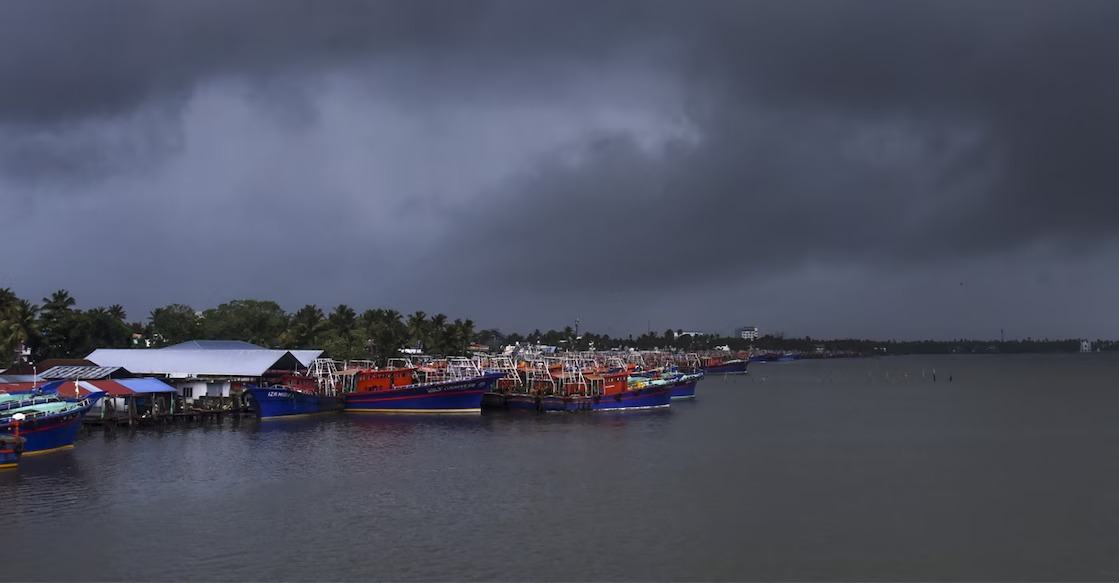
The Indian Meteorological Department (IMD) has issued heavy rainfall warnings across several states as monsoon activity intensifies between August 4–7, 2025. The most affected regions include Kerala, Tamil Nadu, and Meghalaya, which are experiencing extreme precipitation, local flooding, and transportation disruptions.
Here’s a detailed overview of what’s happening, how it affects local lives, and what precautions citizens and authorities must take.
States Under Heavy Rain Watch (Aug 4–7)
| State | Status | Key Issues |
|---|---|---|
| Kerala | Orange Alert | River swelling, landslide threats |
| Tamil Nadu | Isolated Heavy Rain | Urban waterlogging, transport delays |
| Meghalaya | Red Alert in pockets | Flash flood risk, travel restrictions |
The IMD has flagged the possibility of localized flooding, road washouts, and tree collapses in hill districts and urban centers alike.
Environmental Impact
Kerala’s Western Ghats face landslide risks, especially in districts like Idukki and Wayanad.
Tamil Nadu's coastal zones may see stormwater overflow due to poor drainage infrastructure.
In Meghalaya, torrential rains threaten village connectivity and soil erosion in forest belts.
Impact on Transport and Daily Life
Heavy rainfall is already affecting daily routines:
🚗 Traffic Jams & Delays: Major roads in Kochi, Coimbatore, and Shillong are witnessing long vehicle queues.
✈️ Flight Delays: Rain-induced visibility issues at airports like Kochi and Chennai.
🛒 Local Markets: Vegetable prices rising due to transportation hurdles.
Economic Implications
At Vizzve Finance, we track how monsoon patterns affect micro and macroeconomics:
🌾 Agriculture: Excess rain may damage standing crops like paddy in Tamil Nadu and rubber in Kerala.
🏘️ Real Estate Projects: Likely to face delays due to flooded work sites and poor accessibility.
🏦 Insurance Demand: Spike in property, vehicle, and health claims likely in flood-affected regions.
This underlines the need for rain preparedness policies and climate-smart investments.
Safety Measures: What You Can Do
Avoid unnecessary travel in red/orange alert zones.
Charge phones and store emergency items.
Stay updated with IMD advisories via apps or local news.
Rainproof your property — clear drains, seal leaks.
Farmers should monitor fields daily and drain excess water.
Final Thought
The early August rainfall spike is a climate resilience test for many Indian states. While monsoon brings life, unchecked infrastructure and poor preparedness can turn rain into a crisis. From rural agriculture to urban finance, the impacts are real — and anticipating them is key to recovery.
Published on : 4th August
Published by : SMITA
www.vizzve.com || www.vizzveservices.com
Follow us on social media: Facebook || Linkedin || Instagram
🛡 Powered by Vizzve Financial
RBI-Registered Loan Partner | 10 Lakh+ Customers | ₹600 Cr+ Disbursed