

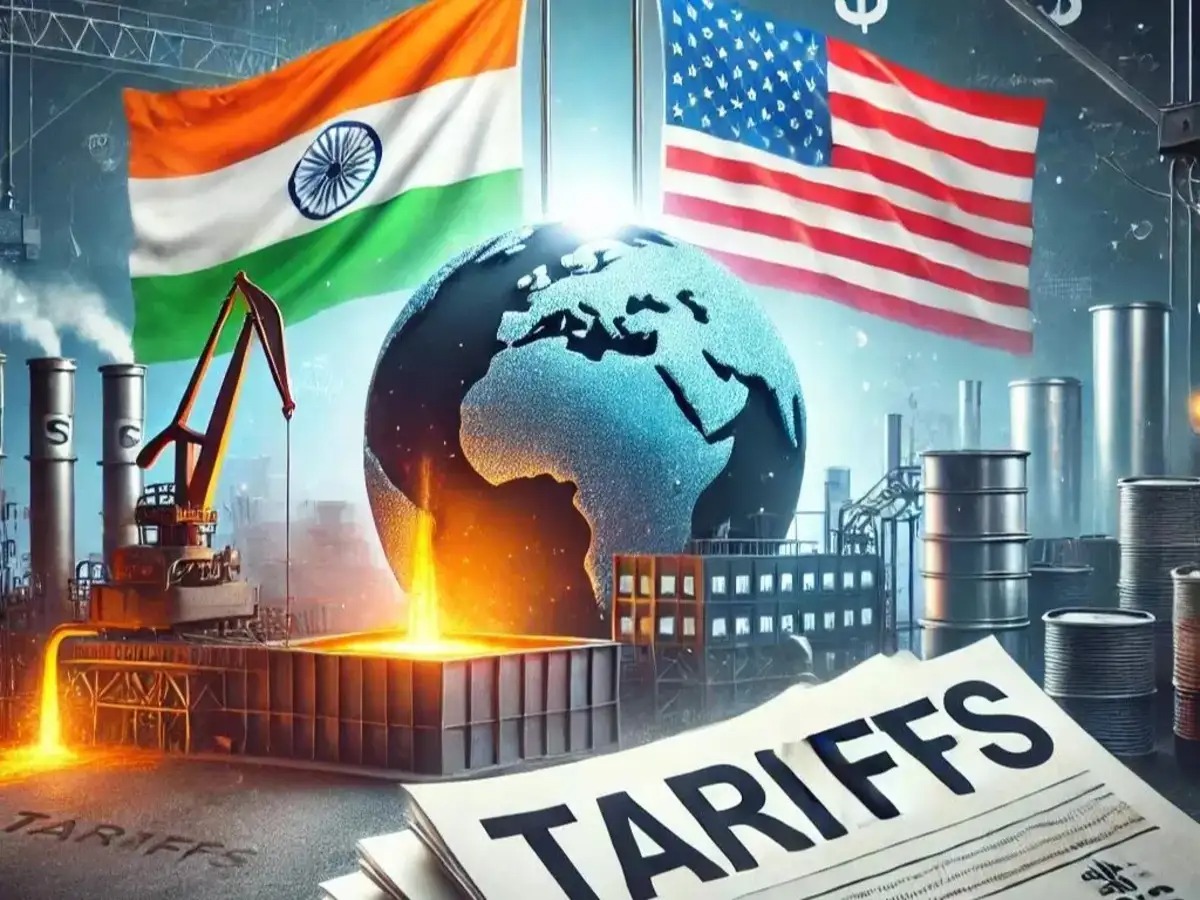
In today’s interconnected economy, no country operates in isolation. Global tariffs and trade wars—whether between the U.S. and China, or new protectionist policies in Europe—have a ripple effect that reaches India’s financial system. While most headlines focus on exports and imports, one less-discussed consequence is how these global tensions influence loan rates in India. From small borrowers to large corporations, understanding this connection is crucial for smarter financial planning.
How Global Tariffs Affect India’s Economy
Imported Inflation – When tariffs increase the cost of imports (oil, electronics, raw materials), it raises inflation in India.
Weaker Rupee – Trade tensions can make global investors cautious, leading to capital outflows and a weaker rupee.
Higher Input Costs – Businesses importing raw materials face rising expenses, often passing costs to consumers.
These economic pressures push the Reserve Bank of India (RBI) to adjust interest rates—directly impacting loan EMIs for individuals.
Trade Wars & Loan Rates in India
RBI’s Dilemma: During global trade wars, inflation risk rises. To control inflation, RBI may increase repo rates, which leads to higher home loan, car loan, and personal loan interest rates.
Corporate Borrowing Costs: Industries dependent on imports (electronics, auto parts, manufacturing) face higher loan costs, slowing expansion plans.
Consumer Borrowing: For salaried professionals, trade wars indirectly raise loan EMIs and reduce disposable income.
Real-World Example
U.S.-China Trade War (2018–2020) – India saw currency volatility and higher input costs. As a result, RBI adopted cautious policies, which influenced loan rates and borrowing behavior.
Oil Price Volatility – Tariffs on oil-producing nations can spike crude prices, pushing India’s inflation higher. That often results in RBI tightening monetary policy.
What Borrowers Should Do
✅ Fix Interest Rates – If expecting rate hikes, fixed-rate loans can shield you.
✅ Emergency Fund – Keep 3–6 months’ expenses ready, as global shocks can impact jobs and incomes.
✅ Diversify Investments – Instead of relying only on debt or equity, diversify across gold, bonds, and mutual funds.
✅ Track RBI Announcements – Borrowers should follow RBI’s repo rate updates to anticipate loan EMI changes.
Vizzve Finance Insights
At Vizzve Finance, we believe borrowers shouldn’t feel powerless in the face of global uncertainty. With smart loan products, flexible repayment options, and financial planning guidance, you can navigate volatility with confidence.
FAQs
Q1. How do global tariffs impact my home loan in India?
Global tariffs increase inflation, leading RBI to hike repo rates, which raises home loan EMIs.
Q2. Will trade wars affect personal loans too?
Yes, because all loan products (home, car, personal) are linked to RBI’s policy rates.
Q3. How can I protect myself from rising loan rates?
Choose fixed-rate loans, maintain an emergency fund, and restructure EMIs if necessary.
Q4. Do global events always lead to higher loan rates?
Not always. Sometimes, trade wars slow global demand, prompting RBI to cut rates to boost growth.
Published on : 26th August
Published by : SMITA
www.vizzve.com || www.vizzveservices.com
Follow us on social media: Facebook || Linkedin || Instagram
🛡 Powered by Vizzve Financial
RBI-Registered Loan Partner | 10 Lakh+ Customers | ₹600 Cr+ Disbursed
https://play.google.com/store/apps/details?id=com.vizzve_micro_seva&pcampaignid=web_share