

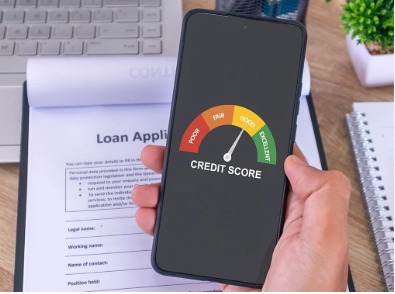
In today’s fast-paced digital lending era, getting a personal loan or credit card is easier than ever — but there’s one number that decides your financial fate: your CIBIL score. Whether you’re applying for a ₹50,000 personal loan or a ₹5 lakh credit line, your credit score determines not just approval chances but also interest rates, limits, and processing time.
Let’s explore why your CIBIL score has become more important than ever for instant loan approvals — and how you can improve it.
What Is a CIBIL Score?
A CIBIL score (maintained by TransUnion CIBIL) is a three-digit number ranging from 300 to 900, that represents your creditworthiness — how likely you are to repay borrowed money on time.
750 and above: Excellent (high approval chances, low interest rates)
650–749: Fair (may get loans, but at higher rates)
Below 650: Poor (loan rejection likely)
Lenders check your score every time you apply for a personal loan, home loan, or credit card.
Why CIBIL Score Matters More Today
1. Instant Loan Algorithms Depend on It
Fintechs and NBFCs now use AI-based underwriting, where your CIBIL score is the first data point. A high score means instant approval; a low one can trigger manual review or rejection.
2. Determines Interest Rates
A strong CIBIL score can save you thousands in interest. Borrowers with scores above 750 often enjoy:
Lower interest rates
Higher credit limits
Flexible repayment options
For instance, someone with a score of 820 might get a personal loan at 10.5%, while a 650-score borrower could be offered 16% or more.
3. Influences Pre-Approved Loan Offers
Banks and digital lenders send pre-approved loan offers only to those with a stable repayment record and a high CIBIL score — making it essential for quick access to emergency funds.
4. Required for Higher Credit Limits
If you want to increase your credit card limit or upgrade to premium cards, your CIBIL score history plays a decisive role.
5. Reflects Financial Discipline
Your score shows lenders how responsible you are — timely EMI payments, low credit utilization, and consistent repayment patterns help you build long-term trust with banks.
How to Improve Your CIBIL Score
Building or repairing your credit score takes consistency. Here’s how you can strengthen it:
✅ Pay EMIs and credit card bills on time.
✅ Keep credit utilization below 30% of your total limit.
✅ Avoid frequent loan or card applications — each “hard inquiry” lowers your score.
✅ Monitor your CIBIL report regularly for errors.
✅ Maintain a healthy mix of secured (home, car) and unsecured (personal, credit card) loans.
The Role of CIBIL in Instant Loan Platforms
Digital lenders like Tata Capital, Paytm, Bajaj Finserv, and HDFC Bank now approve loans within minutes, but only if your CIBIL score meets their risk criteria.
If your score is below 700, you may face:
Lower sanctioned amounts
Higher interest rates
Longer processing times
In contrast, a score of 750+ can get your loan approved within minutes, sometimes with zero documentation.
Common Myths About CIBIL Scores
❌ Myth 1: Checking my score reduces it.
✔️ Fact: Only “hard inquiries” by lenders affect it. Self-checks are safe.
❌ Myth 2: Closing old credit cards improves my score.
✔️ Fact: It can actually reduce your score by shortening credit history.
❌ Myth 3: Salary impacts CIBIL score.
✔️ Fact: Your score depends on credit behavior, not income level.
Why It Matters More Than Ever
With AI-driven loan approval, fintech integration, and instant credit models, your CIBIL score is your financial passport. It determines not just your access to credit — but the cost of it.
A healthy CIBIL score means:
✅ Faster approvals
✅ Better loan terms
✅ Higher credibility with lenders
In today’s digital economy, maintaining a strong credit score is no longer optional — it’s essential.
FAQ:
1. What is the ideal CIBIL score for instant loan approval?
A score of 750 or above is ideal for fast approvals and favorable terms.
2. Can I get a loan with a low CIBIL score?
Yes, but expect higher interest rates or additional documentation.
3. How often should I check my CIBIL score?
Once every 3 months to spot errors and monitor progress.
4. How long does it take to improve a low score?
Usually 6–12 months of disciplined repayment behavior.
5. Does having multiple credit cards hurt my score?
Not necessarily — as long as you manage them responsibly.
Published on : 7th October
Published by : SMITA
www.vizzve.com || www.vizzveservices.com
Follow us on social media: Facebook || Linkedin || Instagram
🛡 Powered by Vizzve Financial
RBI-Registered Loan Partner | 10 Lakh+ Customers | ₹600 Cr+ Disbursed
https://play.google.com/store/apps/details?id=com.vizzve_micro_seva&pcampaignid=web_share