

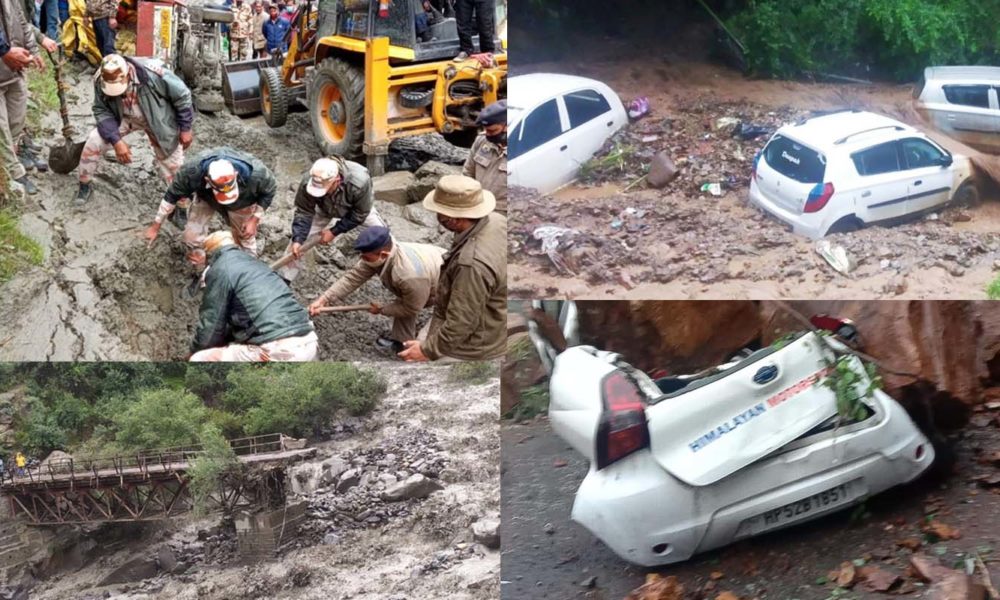
Himachal Pradesh, with its picturesque hills and valleys, is no stranger to monsoon-related disasters. The recent monsoon season brought severe landslides, flash floods, and road blockages, leading to loss of life, property damage, and disruptions to essential services. While the tragedy is devastating, it also highlights critical lessons in disaster preparedness, early warning systems, and community resilience.
The Scope of the Tragedy
Landslides & Road Blockages: Heavy rainfall triggered landslides across multiple districts, cutting off remote villages from basic services.
Flash Floods: Rivers and streams swelled rapidly, submerging roads, bridges, and farmlands.
Loss of Life & Property: Local reports indicate casualties, injuries, and destruction of homes and crops, emphasizing the vulnerability of hill communities.
Impact on Tourism: Himachal’s tourism-dependent economy suffered, with cancellations affecting hotels, transport, and local businesses.
Lessons in Disaster Preparedness
Early Warning Systems:
Improved rainfall monitoring and real-time alerts could save lives by giving communities advance notice to evacuate or secure assets.
Infrastructure Resilience:
Roads, bridges, and drainage systems need upgrades to withstand heavy rains and prevent catastrophic collapses.
Community Awareness & Training:
Villagers and tourists must be trained on evacuation procedures, emergency shelters, and first-aid basics.
Disaster Response Coordination:
Strong coordination between state authorities, disaster management teams, and local volunteers is crucial for timely rescue operations.
Environmental Conservation:
Reforestation, slope stabilization, and regulation of unplanned construction can reduce landslide and flood risks.
Government & Policy Measures
State Disaster Management Plans: Himachal Pradesh has disaster management frameworks, but recent events show the need for continuous updates and drills.
Public-Private Partnerships: Involving NGOs and private tech firms in early-warning systems, relief logistics, and emergency communication.
Tourism Safety Guidelines: Special advisories for tourists during monsoon seasons, including restricted access to high-risk areas.
How Residents and Visitors Can Prepare
Stay informed about weather forecasts and alerts.
Avoid travel to high-risk areas during heavy rainfall.
Keep emergency kits ready (first-aid, food, water, torch, and communication devices).
Follow evacuation orders promptly.
Support local disaster management teams in community initiatives.
FAQs
Q1. What caused the recent monsoon tragedy in Himachal Pradesh?
Heavy rainfall triggered landslides, flash floods, and road blockages, affecting multiple districts.
Q2. Which areas were most affected?
Hill districts with steep slopes and river valleys experienced the worst damage.
Q3. What can be done to prevent such disasters in the future?
Improved early-warning systems, resilient infrastructure, community awareness, and environmental conservation measures can reduce risks.
Q4. How can tourists stay safe during the monsoon season?
Avoid high-risk areas, follow local advisories, stay updated on weather alerts, and keep emergency supplies ready.
Q5. How is the government responding?
Rescue teams, state disaster management authorities, and local volunteers are coordinating relief efforts, while long-term measures focus on infrastructure upgrades and community training.
Published on : 20th September
Published by : SMITA
www.vizzve.com || www.vizzveservices.com
Follow us on social media: Facebook || Linkedin || Instagram
🛡 Powered by Vizzve Financial
RBI-Registered Loan Partner | 10 Lakh+ Customers | ₹600 Cr+ Disbursed
https://play.google.com/store/apps/details?id=com.vizzve_micro_seva&pcampaignid=web_share