

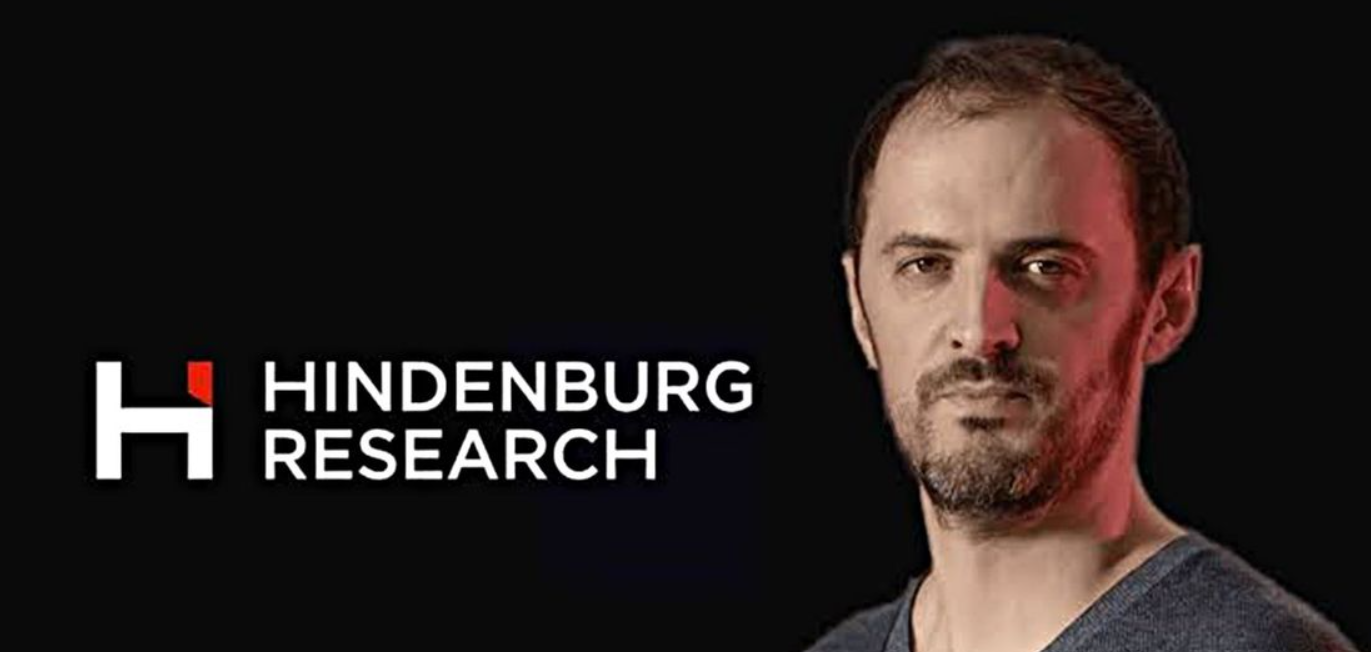
Hindenburg Research Shuts Down: A Controversial Chapter in Short-Selling Ends
Hindenburg Research, the US-based short-seller that shook global markets with its damning reports, has officially announced its closure. Founded in 2017 by Nathan Anderson, the firm gained notoriety for its investigative work that targeted high-profile corporations, often triggering massive sell-offs and regulatory scrutiny.
Among its most infamous cases was the 2023 report on the Adani Group, which accused the Indian conglomerate of “pulling the largest con in corporate history.” The report led to a sharp decline in Adani’s market value, wiping out billions of dollars and sparking political and corporate debates worldwide.
Ajay Bagga Criticizes Hindenburg’s Methods
Ajay Bagga, a seasoned investor, took to Twitter to criticize Hindenburg Research, calling its approach a “model to benefit” from targeted attacks on companies. Bagga highlighted how the firm’s practices exploited vulnerabilities in corporate structures to create massive financial gains for itself and its backers.
Why Did Hindenburg Shut Down?
Nathan Anderson, the 40-year-old founder of Hindenburg Research, cited personal reasons for winding up operations. In a letter to stakeholders, he wrote:'
“The intensity and focus have come at the cost of missing a lot of the rest of the world and the people I care about. I now view Hindenburg as a chapter in my life, not a central thing that defines me.”
Anderson clarified that the decision was not due to threats, health issues, or legal challenges. Instead, he emphasized that his firm had completed its core investigations and handed over tips on suspected Ponzi schemes to regulators.
Hindenburg’s Impact on Global Markets
Hindenburg’s reports often led to significant financial losses for the companies it targeted:
- Adani Group (2023): The scathing report caused the Adani Group’s valuation to plummet by $173 billion, with its founder Gautam Adani losing $99 billion in personal wealth. Adani called the report a political attack on India’s governance.
- Nikola Corporation (2020): Hindenburg accused the electric vehicle startup of fraud, leading to its founder, Trevor Milton, stepping down. Nikola’s stock price nosedived, and the company paid $125 million to settle SEC charges.
- Carvana Co. (2025): Hindenburg accused the auto retailer of an “accounting grift for the ages.” While Carvana dismissed the claims as “misleading,” the stock initially dipped but recovered, showcasing the volatility Hindenburg’s reports often caused.
What’s Next for Nathan Anderson?
With Hindenburg Research shutting down, Anderson plans to dedicate the next six months to creating educational content. This material will provide insights into the investigative techniques used by the firm, enabling others to understand the intricacies of corporate investigations.
He also assured that all team members would receive support in transitioning to their next opportunities.
“For now, I will be focused on making sure everyone on our team lands where they want to be next,” Anderson stated.
Legacy of Controversy
Hindenburg’s closure marks the end of a controversial chapter in the world of short-selling. Critics argue that the firm exploited loopholes and thrived on sensationalism, while supporters hail it as a necessary check on corporate malfeasance.
Regardless of perspective, Hindenburg’s actions have left an indelible mark on global markets and corporate governance. As Anderson transitions to new ventures, the financial world awaits to see if another firm will rise to fill the void left by this polarizing giant.