

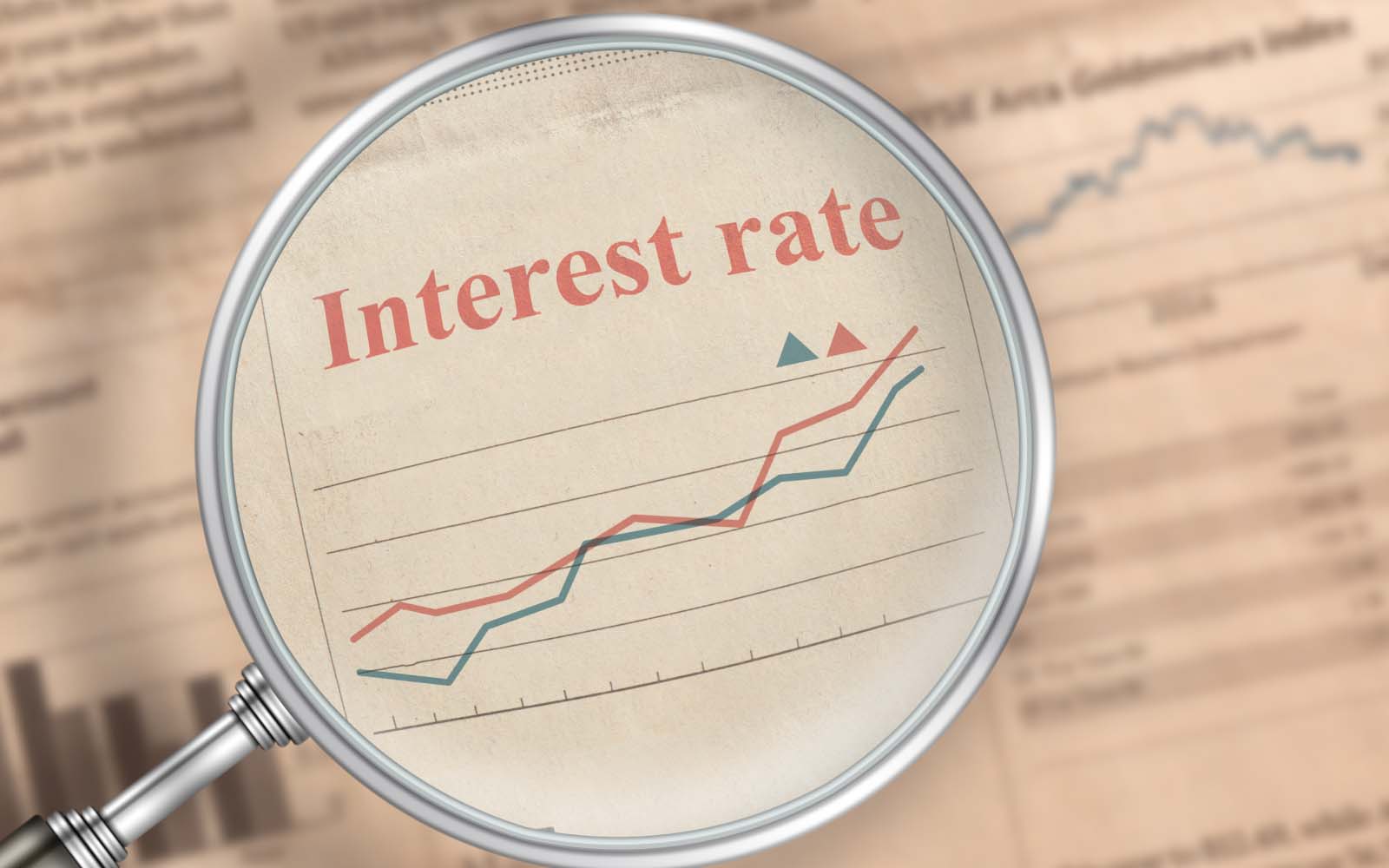
Loan interest rates are a key factor in your repayment amount. While some loans have fixed rates, others come with floating or variable rates that can change over time. Understanding why these changes occur helps you manage your finances better.
Vizzve Finance explains the reasons behind fluctuating loan interest rates and how you can prepare for them.
Types of Loan Interest Rates
Fixed Interest Rates: Remain constant throughout the loan tenure, offering predictable EMIs.
Floating (Variable) Interest Rates: Change based on market conditions, RBI policies, or lender benchmarks.
Why Do Loan Interest Rates Change?
1. Monetary Policy Changes
Central banks, like RBI, adjust policy rates to control inflation and economic growth, affecting lending rates.
2. Market Conditions
Economic factors, demand and supply for credit, and competition among lenders influence interest rates.
3. Benchmark Rate Adjustments
Floating loans are linked to benchmarks like MCLR (Marginal Cost of Funds based Lending Rate) or repo rate, which change periodically.
4. Credit Risk and Borrower Profile
Lenders may revise rates based on borrower’s creditworthiness, repayment behavior, or changes in financial status.
Impact of Changing Interest Rates on Your Loan
EMI Fluctuations: Monthly payments may increase or decrease with rate changes.
Total Interest Payable: Variable rates can raise or reduce your overall loan cost.
Financial Planning Challenges: Unpredictable EMIs require flexible budgeting.
How to Manage Changing Interest Rates
Choose the Right Loan Type: Fixed rates for stability, floating for potential savings.
Keep Track of Rate Changes: Stay informed about RBI announcements and lender updates.
Maintain an Emergency Fund: Cushion for increased EMIs during rate hikes.
Consider Prepayment: Reduce principal to minimize interest impact.
Consult Financial Experts: Get advice from lenders like Vizzve Finance for loan management.
How Vizzve Finance Supports You
Vizzve Finance offers transparent loan products with clear information on interest rates and flexible options to help you navigate changing rates confidently.
FAQs
Q1. Can I switch from floating to fixed interest rate?
Some lenders allow this through a loan restructuring process.
Q2. How often do floating rates change?
Usually every 6 months or as per lender’s policy and benchmark revisions.
Q3. Will my EMI increase immediately after a rate hike?
Yes, your monthly EMI adjusts after the rate change is implemented.
Q4. Does a floating rate loan cost more in the long run?
It depends on market trends; sometimes floating rates can save money if rates fall.
Published on : 10th August
Published by : SMITA
www.vizzve.com || www.vizzveservices.com
Follow us on social media: Facebook || Linkedin || Instagram
🛡 Powered by Vizzve Financial
RBI-Registered Loan Partner | 10 Lakh+ Customers | ₹600 Cr+ Disbursed