

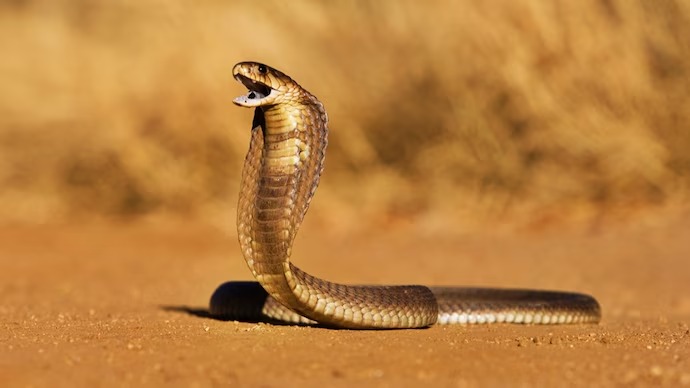
Snakebites are one of India’s most overlooked public health crises. The World Health Organization (WHO) recognizes them as a “neglected tropical disease”, and India alone accounts for nearly half of global snakebite deaths.
Now, climate change is making the problem worse. Rising temperatures, erratic rainfall, and changing ecosystems are expanding snake habitats—putting millions more at risk.
Climate Change and Snakebite Risk
Rising Temperatures:
Warmer conditions extend snakes’ active seasons, increasing chances of human encounters.
Erratic Rainfall & Flooding:
Heavy rains and floods displace snakes from burrows into villages and farmlands.
Changing Agricultural Cycles:
Farmers working longer hours in fields during monsoons are at greater risk.
Urban Expansion into Forests:
Deforestation and construction push human settlements closer to snake habitats.
The Alarming Numbers
India records around 58,000 snakebite deaths annually (Lancet study).
Hotspot states: Uttar Pradesh, Madhya Pradesh, Bihar, Rajasthan, Gujarat, Andhra Pradesh, and Odisha.
Most victims: rural farmers, women, and children.
Why Snakebites Remain a Silent Epidemic
Lack of Awareness: Many rely on traditional healers instead of hospitals.
Poor Access to Antivenom: Many rural health centers lack proper antivenom stocks.
Underreporting: Many cases go unregistered, hiding the true scale of the crisis.
Healthcare Gaps: Delayed treatment often turns survivable bites into fatalities.
What Must Be Done
Strengthen Healthcare Access
Ensure rural hospitals are equipped with antivenoms and trained staff.
Public Awareness Campaigns
Educate communities on prevention, first aid, and the need for urgent hospital care.
Research & Better Antivenoms
Develop region-specific antivenoms for India’s diverse snake species.
Climate-Resilient Planning
Map new snakebite hotspots linked to climate change and prepare accordingly.
Protecting Farmers & Workers
Provide protective footwear, torches, and awareness training for rural workers.
Conclusion
Snakebites are not just a rural accident—they’re a climate-linked health emergency. As India faces more extreme weather, snakebite-prone areas are expanding. By improving healthcare, raising awareness, and planning for climate impacts, India can save thousands of lives every year.
FAQs
Q1. Why are snakebites increasing in India?
Climate change, erratic rainfall, and expanding human settlements are increasing snake-human encounters.
Q2. Which states in India are most affected?
Uttar Pradesh, Bihar, Madhya Pradesh, Rajasthan, Gujarat, Odisha, and Andhra Pradesh record the highest snakebite deaths.
Q3. How can snakebite deaths be prevented?
Quick hospital treatment, better antivenom availability, and public awareness are key.
Q4. What role does climate change play?
It expands snake habitats and increases displacement during floods, raising bite risks.
Q5. What should someone do immediately after a snakebite?
Stay calm, immobilize the limb, avoid traditional remedies, and seek urgent hospital care.
Published on : 8th September
Published by : SMITA
www.vizzve.com || www.vizzveservices.com
Follow us on social media: Facebook || Linkedin || Instagram
🛡 Powered by Vizzve Financial
RBI-Registered Loan Partner | 10 Lakh+ Customers | ₹600 Cr+ Disbursed
https://play.google.com/store/apps/details?id=com.vizzve_micro_seva&pcampaignid=web_share