

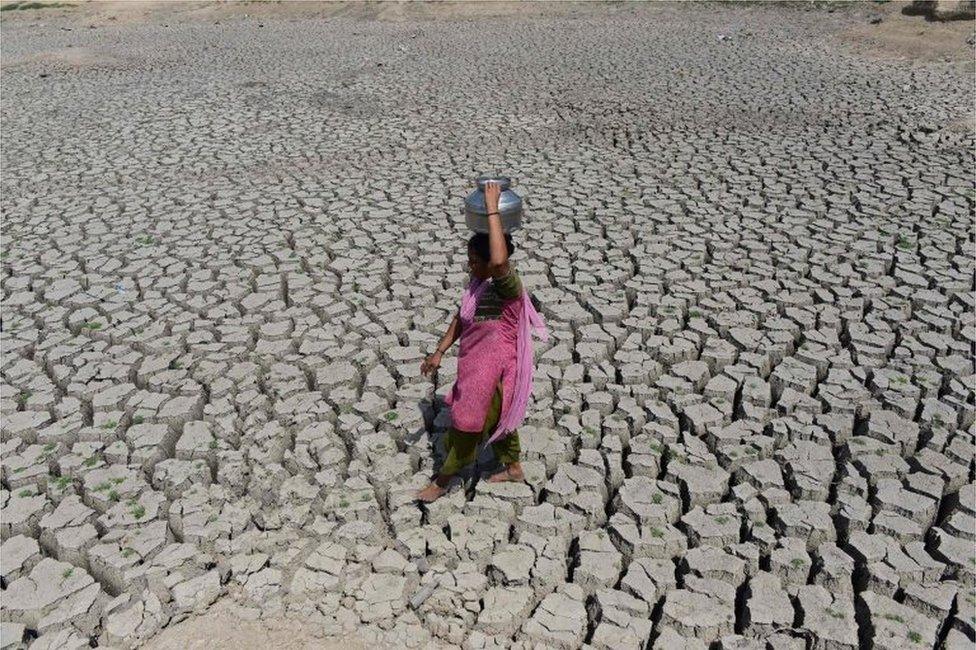
Agriculture is the backbone of India’s economy, employing nearly half of the population. But today, climate change poses one of the greatest challenges to Indian farming. From unpredictable monsoons to frequent heatwaves, farmers are struggling to adapt to changing weather conditions that threaten crop yields and food security.
1. Erratic Rainfall Patterns
The Indian monsoon has become increasingly unpredictable. Delayed or excessive rainfall leads to:
Flooding in some regions
Droughts in others
Lower productivity in crops like rice, wheat, and pulses
2. Rising Temperatures
Heatwaves and higher average temperatures reduce soil moisture and harm crops sensitive to heat. Wheat and maize yields, for example, decline sharply under prolonged heat stress.
3. Increased Pests and Diseases
Warmer climates create favorable conditions for pests and crop diseases, affecting yields of cotton, vegetables, and fruits. Farmers often face higher costs for pesticides and crop protection.
4. Water Scarcity
Glacier retreat and changing rainfall patterns are causing severe water stress in farming regions. Overdependence on groundwater worsens the problem, especially in states like Punjab and Haryana.
5. Soil Degradation
Frequent extreme weather events, including floods and droughts, degrade soil fertility, making it harder to sustain productivity.
6. Impact on Farmers’ Livelihoods
Small and marginal farmers, who make up the majority in India, are most affected. Reduced yields, higher input costs, and unstable markets push many into financial distress.
Conclusion:
Climate change is not just an environmental issue—it’s a food security crisis for India. To safeguard agriculture, urgent measures like climate-resilient crops, efficient irrigation, and sustainable farming practices must be adopted. Supporting farmers with technology and policy reforms will be key to building resilience against climate change.
FAQ :
Q1: How is climate change affecting Indian farmers?
It reduces crop yields, increases input costs, and makes farming more uncertain due to erratic weather.
Q2: Which crops are most vulnerable to climate change in India?
Wheat, rice, maize, and pulses are among the most affected.
Q3: Can sustainable farming help?
Yes, practices like organic farming, drip irrigation, and crop diversification improve resilience.
Q4: Is water scarcity linked to climate change?
Yes, changing rainfall patterns and rising temperatures have worsened water shortages in agricultural regions.
Q5: What steps can the government take?
Policies supporting renewable energy in farming, crop insurance, and training in climate-smart agriculture are crucial.
Published on : 4th September
Published by : SMITA
www.vizzve.com || www.vizzveservices.com
Follow us on social media: Facebook || Linkedin || Instagram
🛡 Powered by Vizzve Financial
RBI-Registered Loan Partner | 10 Lakh+ Customers | ₹600 Cr+ Disbursed
https://play.google.com/store/apps/details?id=com.vizzve_micro_seva&pcampaignid=web_share