

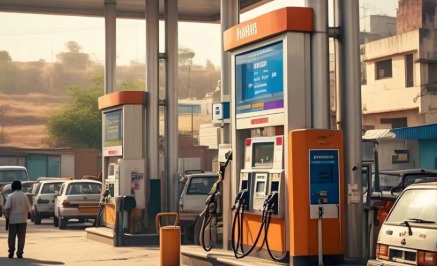
Delhi’s streets have witnessed remarkable changes over the decades — from traffic jams to high-rise buildings, and from horse-drawn carts to modern vehicles. Among these changes, Delhi’s oldest petrol pump stands as a living testament to the evolution of fuel prices, technology, and consumer habits.
A Journey Through Time: Fuel Prices Then and Now
When Delhi’s oldest petrol pump first opened, petrol cost just 10 paise per litre. Fast forward to today, and the same litre is priced at around ₹94, reflecting:
Inflation over decades
Global crude oil price fluctuations
Taxation policies at central and state levels
Shifts in domestic fuel demand and supply
The increase isn’t just numerical — it tells a story of economic growth, industrialization, and changing lifestyles in India.
Technological Evolution at the Pump
The petrol pump has seen significant technological upgrades:
Manual to Digital Pumps
From hand-operated meters to digital, automated dispensers ensuring accurate billing.
Payment Methods
Initially cash-only, now customers can pay via cards, mobile wallets, UPI, and contactless systems.
Fuel Quality and Storage
Modern pumps maintain higher fuel quality standards with better storage tanks and filtration systems.
Customer Experience
Early pumps were utilitarian; today, they offer mini-convenience stores, restrooms, and loyalty programs.
Cultural and Historical Significance
A Witness to History: The petrol pump has seen Delhi transform politically, economically, and socially.
Popular Landmark: It serves as a reminder of the city’s industrial and automotive history.
Stories of Generations: Many Delhi residents remember their first petrol purchase or childhood visits, making it part of the city’s collective memory.
Why Fuel Prices Have Risen So Much
Global Crude Oil Prices
International market dynamics heavily influence domestic fuel rates.
Taxes and Levies
Central excise, state VAT, and other taxes contribute a significant portion of retail fuel price.
Inflation and Operational Costs
Inflation, logistics, and operational expenses of pumps have risen over decades.
Currency Fluctuations
The rupee-dollar exchange rate impacts the cost of imported crude oil.
Looking Ahead: The Future of Petrol Pumps
Electric Vehicle Charging Stations: Many petrol pumps are preparing to add EV charging infrastructure.
Digital Integration: AI-based analytics for inventory management, customer tracking, and dynamic pricing.
Sustainability: Some pumps are exploring solar panels, waste management, and eco-friendly operations.
Delhi’s oldest petrol pump may continue adapting, reflecting both the city’s heritage and its embrace of future technologies.
FAQ
1. When did Delhi’s oldest petrol pump start operating?
It began operations decades ago, when petrol was priced at just 10 paise per litre.
2. Why has petrol price increased to ₹94 per litre?
Due to inflation, global crude prices, taxes, operational costs, and currency fluctuations.
3. Has the pump undergone technological upgrades?
Yes, including digital dispensers, electronic billing, payment methods, and modern amenities.
4. Is it still operational today?
Yes, it continues to serve Delhi residents while remaining a historical landmark.
5. What’s the future for petrol pumps in Delhi?
Many are integrating EV charging stations and sustainable practices to meet changing energy demands.
Published on : 7th October
Published by : SMITA
www.vizzve.com || www.vizzveservices.com
Follow us on social media: Facebook || Linkedin || Instagram
🛡 Powered by Vizzve Financial
RBI-Registered Loan Partner | 10 Lakh+ Customers | ₹600 Cr+ Disbursed
https://play.google.com/store/apps/details?id=com.vizzve_micro_seva&pcampaignid=web_share