

How Finland’s ‘Happiness-First’ Model Is Reshaping Primary Classrooms in Rural Punjab, Connecting Kids to Their Roots
By Selvi pkt
Finland’s world-famous education model — built on joy, curiosity, and emotional wellbeing — is beginning to take shape in rural Punjab, bringing a refreshing shift in how young children learn. Instead of rote memorisation, rigid textbooks, and exam pressure, classrooms are now evolving into lively, child-centric spaces where happiness, cultural roots, and real-life connections define learning.
Across several villages, teachers are adopting Finland-inspired pedagogies such as play-based learning, flexible seating, student-led activities, and mental-wellbeing routines. The focus is simple yet powerful: children learn best when they feel happy, safe, and connected to their identity.
Why Punjab Is Looking Toward Finland
Punjab has long grappled with foundational learning gaps, especially in rural primary schools. Educators observed that children were disengaged, stressed, or uninterested due to rigid teaching styles. The Finnish model provided a solution:
It emphasises joyful learning over memorisation
It encourages teacher autonomy
It builds trust-based classrooms
It prioritises emotional intelligence and experiential learning
Punjab’s education innovators realised that these principles could blend seamlessly with local cultural traditions, making learning both modern and rooted.
1. Play-Based Learning Replaces Pressure
Inspired by Finnish early education, teachers now integrate storytelling, games, nature walks, and craft activities. Children learn language, math, and science through hands-on tasks that feel like play rather than formal lessons.
2. Rooted Cultural Activities
To keep children connected to Punjabi traditions, schools have added:
Folk stories
Giddha and bhangra-inspired movement sessions
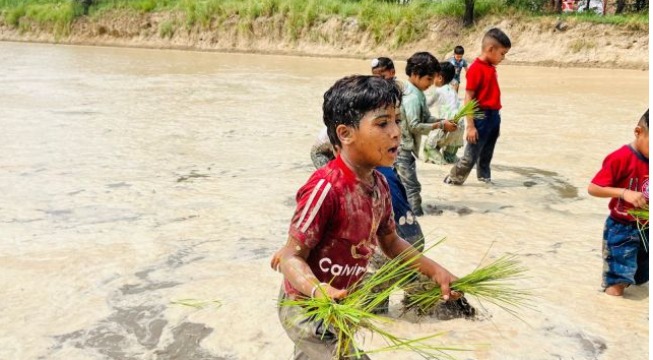
Agricultural learning linked to local crops
Punjabi vocabulary enrichment through songs and riddles
The blend of Finland’s methods and Punjab’s heritage creates a unique dual-rooted model.
3. Flexible, Stress-Free Classrooms
Instead of rigid rows, children can choose mats, cushions, or small groups to sit in. The environment feels more like a community space than a conventional classroom — reducing anxiety and increasing participation.
4. Emotional Wellbeing Circles
Borrowed from Finland’s “wellbeing hour,” teachers hold short morning circles where students talk about feelings, gratitude, or challenges. This has helped reduce behavioural issues and boosted confidence.
5. Teacher Empowerment
Teachers receive training on:
Child psychology
Positive reinforcement
Activity-based teaching
Creativity in lesson planning
This shift has made educators feel more respected and motivated — another key Finnish principle.
Impact: A More Confident, Curious, and Rooted Child
The ongoing transformation has shown promising outcomes:
Increased class attendance
Higher participation in group activities
Better literacy and numeracy engagement
Improved student-teacher relationships
Stronger connection to Punjabi identity
Reduced fear of making mistakes
Parents also report that children show more excitement about school and express their thoughts more freely — signs of growing emotional intelligence.
Why the Model Works: Punjab + Finland = A Strong Blend
Finland’s education strength lies in freedom, trust, and joy. Punjab’s strength lies in community, culture, and storytelling. When merged, they create a powerful approach where:
Learning becomes meaningful
Children remain attached to their roots
Teachers feel trusted
Classrooms become joyful spaces
This hybrid model is now being observed by educators from neighbouring states as a potential blueprint for rural transformation.
Frequently Asked Questions
1. What is Finland’s happiness-first education model?
It is a child-centric approach focused on wellbeing, play-based learning, creativity, and flexible classrooms, ensuring students learn joyfully and without pressure.
2. Why is rural Punjab adopting this model?
Punjab aims to reduce rote learning, improve foundational skills, and make classrooms more engaging. The Finnish approach aligns well with these goals.
3. How does this model connect children to their cultural roots?
Schools incorporate Punjabi stories, traditional activities, and community-based learning, blending global methods with local culture.
4. What changes do teachers see in students?
Teachers report higher confidence, better communication, improved participation, and stronger emotional resilience.
5. Can this model be replicated in other Indian states?
Yes. Its flexible design makes it adaptable to diverse regional needs across India.
Published on : 26th November
Published by : Selvi
Credit:Divya Goyal
www.vizzve.com || www.vizzveservices.com
Follow us on social media: Facebook || Linkedin || Instagram
🛡 Powered by Vizzve Financial
RBI-Registered Loan Partner | 10 Lakh+ Customers | ₹600 Cr+ Disbursed