

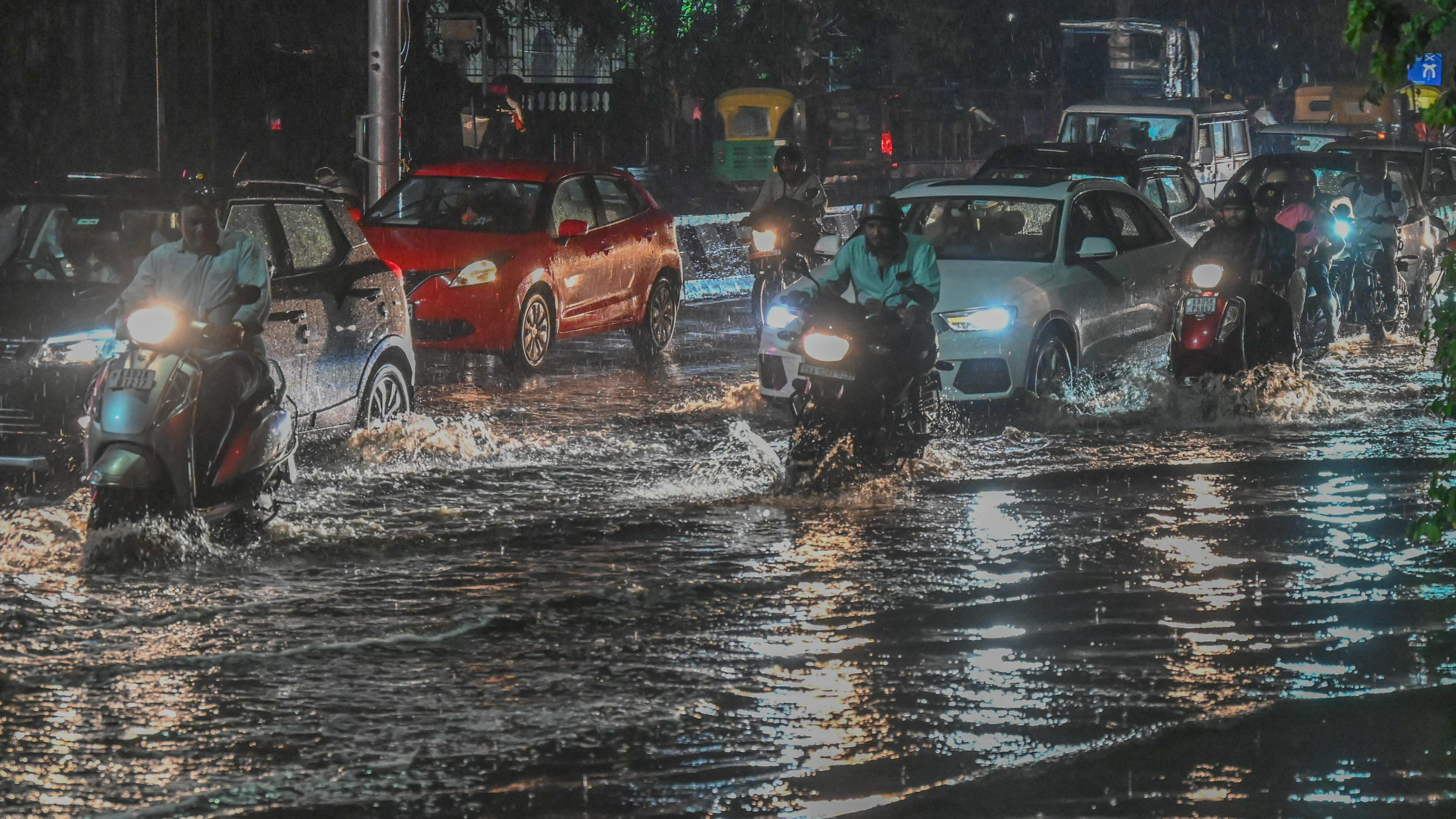
Recent heavy rains in Bengaluru have brought both relief and disruption. While the downpour has cleared the air and cooled the city, the aftermath presents both opportunities and challenges for residents. Here’s what you should know if you live in Bengaluru right now.
What’s Happening in Bengaluru
Persistent heavy rainfall over the past few days has brought cooler temperatures and significant moisture to the atmosphere.
With the rain, air quality has notably improved, especially due to the reduction of airborne dust, particulate matter (PM2.5 and PM10), and pollutants.
Real-time air quality indexes show values in the Good to Moderate range, much better than previous days.
Areas prone to waterlogging, falling trees, road blockages and traffic disruptions are facing hardships. Southern and western zones seem to be affected more in terms of fallen trees and blocked roads.
How Rain Impacts Air Quality
1. Cleansing the Air
Rain helps settle particulate pollutants from the air. Fine dust, soot, pollen and other suspended particles are washed out, leading to clearer visibility and lower respiratory irritants.
2. Reducing Heat and UV Stress
Cloud cover and rain lower daytime temperatures, reduce heat stress, and block direct sunlight — helping reduce ground-level ozone formation.
3. Humidity Effects
Higher humidity after rain can sometimes make the air feel heavier, but it also helps particles cluster and fall out of the air. Overall, net benefit in air purity.
4. Temporary Nature
The improvement in air quality tends to last as long as conditions remain wet and windy. As things dry and winds shift, pollutants from traffic, construction, and industrial activity may reappear quickly.
What Locals Should Be Prepared For
| Benefit | Caution / Concern |
|---|---|
| Clearer, cooler air - relief for asthma, allergies, elderly | Waterlogging in low-lying areas; disrupted traffic |
| Reduced dust and pollutant exposure | Fallen branches/trees; slippery roads |
| More comfortable outdoor conditions (especially mornings) | Risk of mold and damp indoors; insects increase |
| Better visibility, less haze | Possible delays in commute; accumulating standing water can increase disease risk |
What You Can Do: Local Tips
Monitor local weather and AQI forecasts each morning.
If AQI is good, try stepping outdoors for walks early in the day, especially after the rain stops.
At times of rain or immediately after, avoid heavy traffic zones where vehicle emissions may still concentrate.
Use well-fitted masks if you need to be outdoors in areas still showing moderate pollution.
Ensure drains and water flow lines around your home are clear to avoid flooding.
Keep windows slightly ajar when indoors during cleaner air times to ventilate — but close them when rain/drizzle is heavy.
Wear water-resistant footwear, and have rain gear ready (umbrellas, raincoats), especially for children and daily commuters.
Broader Implications for Bengaluru
Effective drainage infrastructure and proactive tree maintenance can reduce hazards during heavy rains.
Urban planners need to factor in increasing monsoon intensity, climate change, and how weather patterns affect air quality.
Continuous monitoring of AQI and pollutant sources (traffic, construction, industrial emissions) is key to letting residents and authorities respond in real time.
Conclusion
The monsoon’s recent heavy rains have brought much-needed relief to Bengaluru — cleaner air, cooler skies and a respite from dust and heat. But with these benefits come practical challenges: waterlogged roads, damaged trees and unpredictable indoor-outdoor comfort. Staying aware, planning ahead, and adapting to shifting conditions will help locals make the most of this monsoon aftermath.
FAQ
Q1. How good is the air in Bengaluru right now after the rain?
The air quality is now in the Good to Moderate range thanks to rain washing out pollutants and dust.
Q2. How long will this improved air last?
The improvement tends to persist while there is continuous rain or wet conditions. Once it dries and winds calm, pollutants may build up again.
Q3. Are there health risks still?
For most people, this is a relief. But those with respiratory issues should still be cautious in areas with traffic or damp indoors. Also risk of mold or damp-related problems.
Q4. Will this kind of weather disrupt daily commute or outdoor plans?
Yes. Waterlogging, fallen trees, traffic disruptions are possible. Best times to travel or be outdoors are early morning after rains have eased.
Q5. Should people wear masks outdoors?
Masks are helpful in areas with lingering pollution, especially traffic zones. If air feels fresh, they may not be needed outdoors.
Published on : 19th September
Published by : SMITA
www.vizzve.com || www.vizzveservices.com
Follow us on social media: Facebook || Linkedin || Instagram
🛡 Powered by Vizzve Financial
RBI-Registered Loan Partner | 10 Lakh+ Customers | ₹600 Cr+ Disbursed
https://play.google.com/store/apps/details?id=com.vizzve_micro_seva&pcampaignid=web_share