

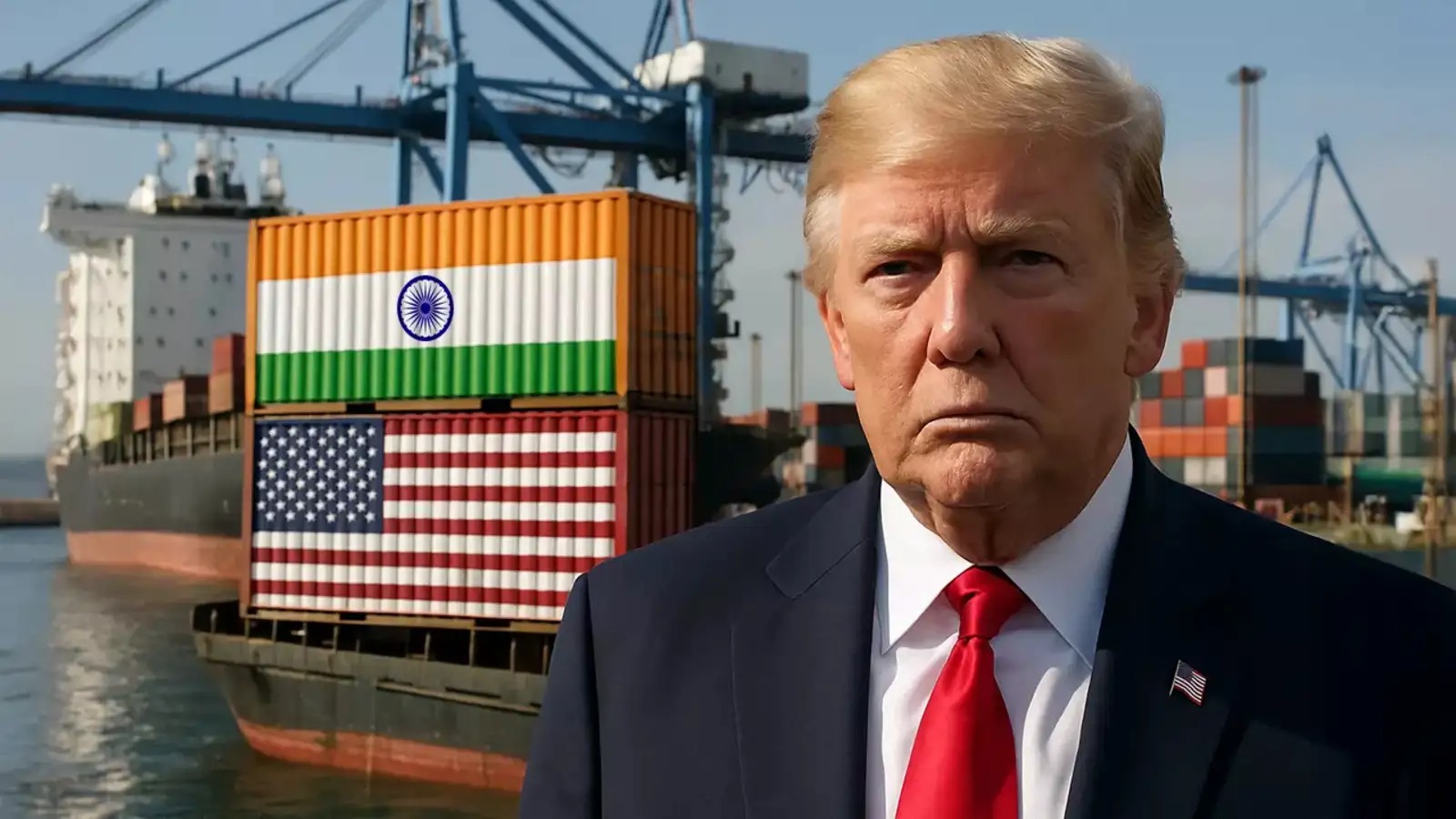
With trade tensions intensifying in 2025, Indian exporters face mounting challenges as the United States raises tariffs on select goods. From textiles and pharmaceuticals to IT hardware and steel, the impact could be widespread. In response, India has outlined a multi-pronged strategy to shield its exporters, safeguard jobs, and maintain competitiveness in global markets.
India’s Strategy to Counter US Tariffs
Policy Support & Incentives
The government is expanding export incentives under schemes like the Remission of Duties and Taxes on Exported Products (RoDTEP). Additional subsidies and low-interest credit lines are being introduced to offset tariff costs.
Diversification of Markets
Indian exporters are being encouraged to expand into Europe, Africa, and ASEAN nations to reduce over-dependence on the US. Trade agreements with the EU and Gulf nations are also being fast-tracked.
Trade Negotiations with the US
India is pushing for sector-specific reliefs through bilateral trade talks, emphasizing the mutual benefits of reducing tariff barriers for high-demand goods like pharmaceuticals and IT services.
Boosting Domestic Competitiveness
Investments in logistics, ports, and supply chain modernization are being prioritized to cut costs for exporters and make Indian goods more price-competitive globally.
Promoting Value-Added Exports
Instead of relying on raw material exports, India is focusing on high-value goods such as processed foods, advanced textiles, renewable energy equipment, and electronics manufacturing.
Impact on Exporters
While tariffs pose short-term difficulties, the government’s measures could cushion exporters from immediate shocks. Sectors like textiles and gems & jewellery may face pricing pressures, but industries like pharmaceuticals and IT services are expected to remain resilient due to strong demand in the US market.
Conclusion
India’s approach to protecting exporters from US tariffs blends defensive measures with long-term competitiveness strategies. By diversifying trade partners, negotiating reliefs, and improving infrastructure, India is signaling that it won’t let external pressures derail its export growth trajectory.
FAQs
Q1. Why has the US imposed tariffs on Indian goods?
The US has raised tariffs citing trade imbalances, protection of domestic industries, and ongoing disputes over market access.
Q2. How is India protecting its exporters from US tariffs?
India is providing export incentives, negotiating trade reliefs, improving logistics, and encouraging market diversification.
Q3. Which Indian sectors are most affected by US tariffs?
Textiles, steel, gems & jewellery, and IT hardware face the most immediate challenges, while pharmaceuticals and IT services remain resilient.
Q4. Will India’s strategy help exporters in the long term?
Yes. Beyond short-term relief, India’s focus on value-added exports and new trade agreements will strengthen long-term competitiveness.
Q5. How could this impact global trade?
If successful, India’s measures may soften the blow of tariffs and sustain supply chains, while also accelerating the country’s pivot toward new global markets.
Published on : 31st August
Published by : SMITA
www.vizzve.com || www.vizzveservices.com
Follow us on social media: Facebook || Linkedin || Instagram
🛡 Powered by Vizzve Financial
RBI-Registered Loan Partner | 10 Lakh+ Customers | ₹600 Cr+ Disbursed
https://play.google.com/store/apps/details?id=com.vizzve_micro_seva&pcampaignid=web_share