

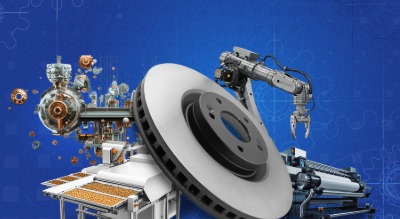
India is powering ahead with its “Make in India + Digital India” strategy, introducing a wave of new tech-driven manufacturing policies aimed at boosting domestic production. From smartphones and electronics to EV components, semiconductors, and precision engineering, the manufacturing ecosystem is rapidly evolving.
But this shift has triggered another major trend:
A sharp rise in SME loan demand, especially among small and medium manufacturers expanding capacity, upgrading technology, or complying with new regulatory standards.
Here’s how India’s tech-forward manufacturing reforms are reshaping credit requirements for SMEs.
1. PLI Schemes Are Forcing SMEs to Scale – Fast
The Production-Linked Incentive (PLI) schemes for:
Electronics
Mobiles
Semiconductors
Telecom
EV parts
Solar components
have ignited rapid expansion across the supply chain.
Impact on SME credit demand:
Need for new machinery
Higher working capital cycles
Vendor financing for OEMs
CAPEX for expanding warehouses & plants
Banks and NBFCs report a 15–25% rise in manufacturing loan applications directly linked to PLI-led downstream demand.
2. New Tech Standards Require SMEs to Upgrade Equipment
With new manufacturing policies emphasizing:
Automation
IoT-enabled monitoring
Robotics-assisted assembly
Digital quality compliance
Clean-energy standards
SMEs must partially modernize their operations.
Result:
Demand for equipment financing, asset-backed loans, and technology upgradation loans has surged.
Many factories need:
CNC machines
Surface-mount tech (SMT) lines
Testing labs
Clean-room upgrades
EV battery safety tech
These investments are capital-heavy, driving loan growth.
3. Supply Chain Localization Creates New Borrowing Needs
India’s policy push aims to reduce reliance on imports from China and Southeast Asia.
This is creating fresh credit demand for SMEs in:
Packaging
Metal parts
Plastics
Tooling
Logistics
Testing services
More localized sourcing =
More SMEs scaling =
Higher working capital + expansion loan demand
4. EV Manufacturing Boom Driving Sector-Specific SME Loans
EV-focused policies have created demand in:
EV component manufacturing
Wiring harnesses
Controllers
Battery thermal systems
Charging equipment
SMEs are seeking:
Machinery loans
R&D financing
Prototype funding
Supply chain financing
Banks expect EV-linked SME loan demand to grow 2–3x in the next 2 years.
5. Semiconductor Policies Are Uplifting Ancillary SMEs
While India’s semiconductor fabs are big-ticket projects, thousands of smaller players are emerging in:
Chip packaging
PCB assembly
Clean-room services
Precision engineering
Testing labs
These SMEs require:
Long-tenure capex loans
Soft loans for R&D
Government-backed credit guarantees
Demand for MSME tech-upgrade loans has increased in semiconductor-linked clusters.
6. Digital Compliance & ESG Rules Need Fresh Working Capital
New policies mandate:
End-to-end digital invoicing
Factory digital logs
Energy efficiency reporting
ESG (environmental, social, governance) adoption
For SMEs, compliance comes at a cost:
Software subscriptions
ERP systems
IoT sensors
Energy management systems
Many SMEs are borrowing small-ticket loans to modernize compliance systems.
How Banks Are Responding
Banks and NBFCs are rolling out:
✔ Specialized manufacturing SME loans
With flexible repayment linked to production cycles.
✔ Vendor financing tied to OEM orders
Helping suppliers deliver large purchase orders.
✔ Technology upgradation loans
Specifically for automation and Industry 4.0 tools.
✔ Green manufacturing loans
For energy-efficient machinery upgrades.
✔ Anchor-based lending
If an SME works for a known corporate, loans get approved faster.
Financial institutions see manufacturing SMEs as high-potential, moderate-risk borrowers due to increasing government support.
Conclusion: India’s Manufacturing Shift = A New SME Credit Boom
India’s push for local tech manufacturing is not just an industrial story — it’s a credit transformation story.
SMEs now need:
Larger working capital
Faster credit approvals
Machinery financing
Technology loans
ESG and digital compliance funding
With government incentives, global supply chain shifts, and rising domestic demand, India’s SMEs are entering a once-in-a-decade growth cycle — and their loan requirements will only rise further.
❓ FAQs
1. Why is SME loan demand rising due to new manufacturing policies?
Because SMEs must expand capacity, upgrade machinery, and localize supply chains to meet new standards.
2. Which SMEs are benefiting the most?
Electronics, EV components, precision engineering, packaging, and semiconductor-linked SMEs.
3. What types of loans are seeing growth?
Machinery loans, working capital loans, vendor financing, and tech-upgrade loans.
4. How do PLI schemes impact SME borrowing?
Demand from large manufacturers trickles down to SME suppliers, increasing their credit needs.
5. Will this trend continue in 2026?
Yes, as India accelerates its shift toward domestic manufacturing and Industry 4.0.
Published on : 22nd November
Published by : SMITA
www.vizzve.com || www.vizzveservices.com
Follow us on social media: Facebook || Linkedin || Instagram
🛡 Powered by Vizzve Financial
RBI-Registered Loan Partner | 10 Lakh+ Customers | ₹600 Cr+ Disbursed