

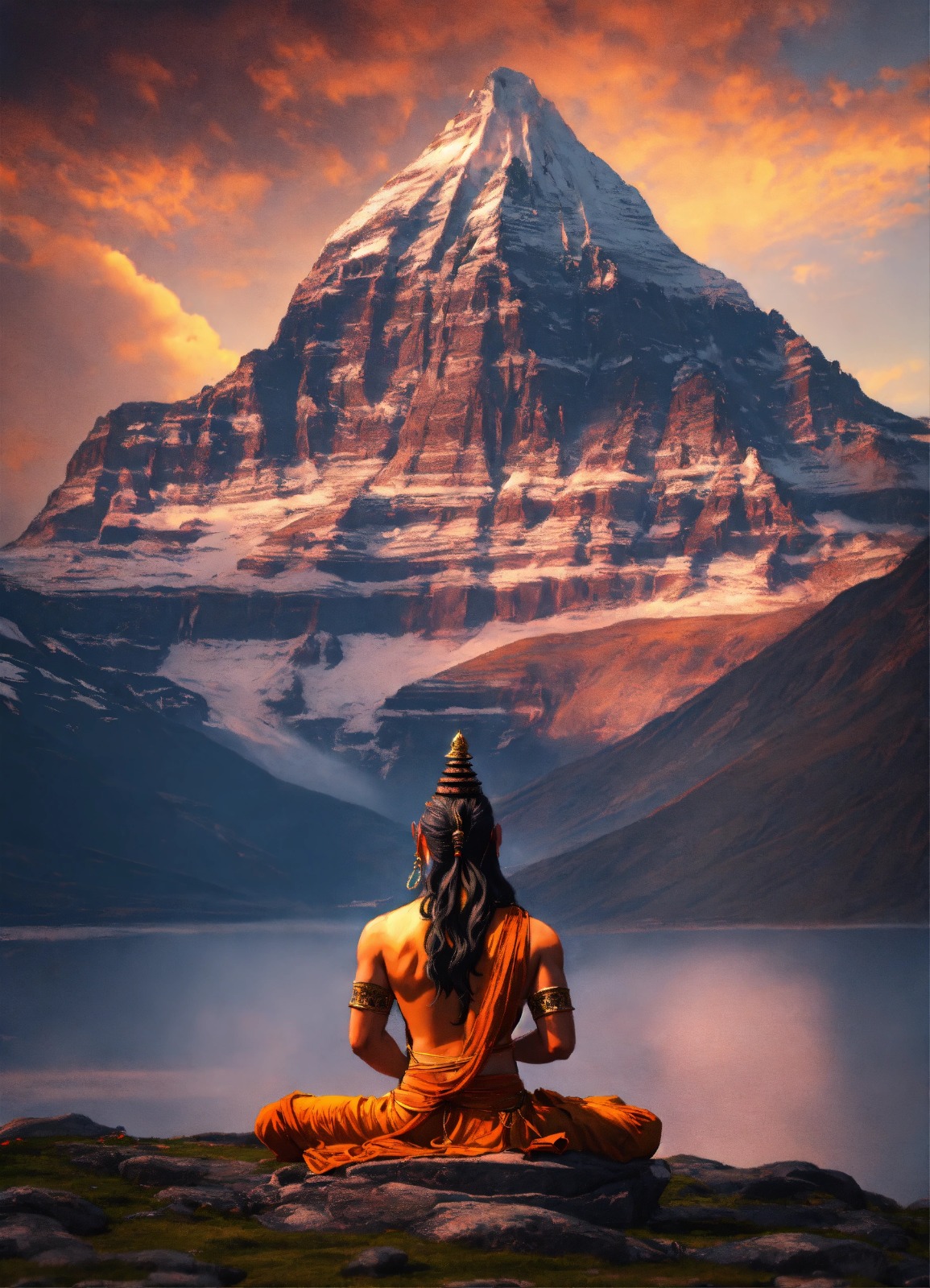
Meditation has been an integral part of spiritual practice in Hinduism for centuries. Among all deities, Lord Shiva, the cosmic yogi and destroyer of evil, is closely associated with meditation, introspection, and inner strength. Devotees across the world turn to meditation inspired by Shiva to cultivate mental clarity, emotional stability, and spiritual resilience.
Why Lord Shiva is the Symbol of Meditation
Lord Shiva is often depicted in deep meditation atop Mount Kailash, embodying stillness, focus, and transcendence. He represents:
Detachment and Focus: Remaining undisturbed by worldly distractions.
Inner Strength: Channeling energy for self-realization and spiritual growth.
Balance: Harmonizing mind, body, and soul through meditation and yoga.
For devotees, meditating like Shiva is not just a ritual—it’s a way to connect with the divine, find peace, and harness inner power.
How Devotees Practice Shiva-Inspired Meditation
1. Chanting Mantras
Devotees often chant “Om Namah Shivaya”, a sacred mantra that invokes Lord Shiva’s energy. Repeating the mantra during meditation helps:
Calm the mind
Increase concentration
Attract positive energy
2. Focusing on Shiva’s Form
Meditation often involves visualizing Lord Shiva’s serene image—meditating atop the Himalayas with a crescent moon, flowing hair, and a calm demeanor. This visualization inspires:
Inner peace
Mental clarity
Spiritual alignment
3. Breathing Techniques
Controlled breathing or pranayama is used to mimic Shiva’s deep, rhythmic energy. Techniques like Anulom Vilom or Kapalabhati help regulate mind-body balance and deepen meditation.
4. Solitude and Silence
Like Shiva, devotees meditate in quiet environments, free from distractions. Silence enhances:
Self-reflection
Awareness of thoughts and emotions
Connection to inner strength
Spiritual and Emotional Benefits
Stress Reduction: Meditation lowers anxiety, calms the mind, and fosters a sense of serenity.
Mental Clarity: Regular practice improves focus, decision-making, and creativity.
Emotional Stability: Devotees experience balanced emotions and better control over reactions.
Spiritual Growth: Meditation nurtures self-realization, inner peace, and a deeper connection with the divine.
For devotees, these benefits are a reflection of Lord Shiva’s own meditative energy, guiding them through challenges and uncertainties.
Tips for Starting Shiva-Inspired Meditation
Set a Routine: Meditate daily, even if for 10–15 minutes.
Create a Sacred Space: Light a lamp or incense near a Shiva idol or picture.
Focus on the Mantra: Repeat “Om Namah Shivaya” silently or aloud.
Observe Your Breath: Synchronize mantra chanting with deep, mindful breathing.
Embrace Silence: Minimize distractions and allow thoughts to settle naturally.
Conclusion
Meditating in the spirit of Lord Shiva is more than a spiritual practice—it is a source of strength, resilience, and inner harmony. Devotees worldwide draw inspiration from his calm and focused presence, finding clarity, emotional balance, and spiritual growth through meditation. By adopting Shiva-inspired techniques, anyone can experience the transformative power of stillness and connect with their higher self.
FAQs
1. Why is Lord Shiva associated with meditation?
Lord Shiva is depicted meditating atop Mount Kailash, symbolizing stillness, focus, and spiritual transcendence. Devotees emulate his practice to cultivate inner peace and strength.
2. What mantra should be used in Shiva-inspired meditation?
The sacred mantra “Om Namah Shivaya” is commonly used. Repeating it during meditation helps calm the mind, improve focus, and attract positive energy.
3. Can beginners practice Shiva-inspired meditation?
Yes. Beginners can start with 10–15 minutes daily, focusing on the mantra, breath, and visualization of Lord Shiva in a calm setting.
4. What are the benefits of meditating like Lord Shiva?
Regular practice improves mental clarity, reduces stress, enhances emotional stability, and fosters spiritual growth and self-realization.
5. Do I need any special equipment or setting?
A quiet space with minimal distractions is ideal. Devotees often light a lamp or incense near a Shiva idol or image, but it is not mandatory.
Published on : 18th August
Published by : SMITA
www.vizzve.com || www.vizzveservices.com
Follow us on social media: Facebook || Linkedin || Instagram
🛡 Powered by Vizzve Financial
RBI-Registered Loan Partner | 10 Lakh+ Customers | ₹600 Cr+ Disbursed