

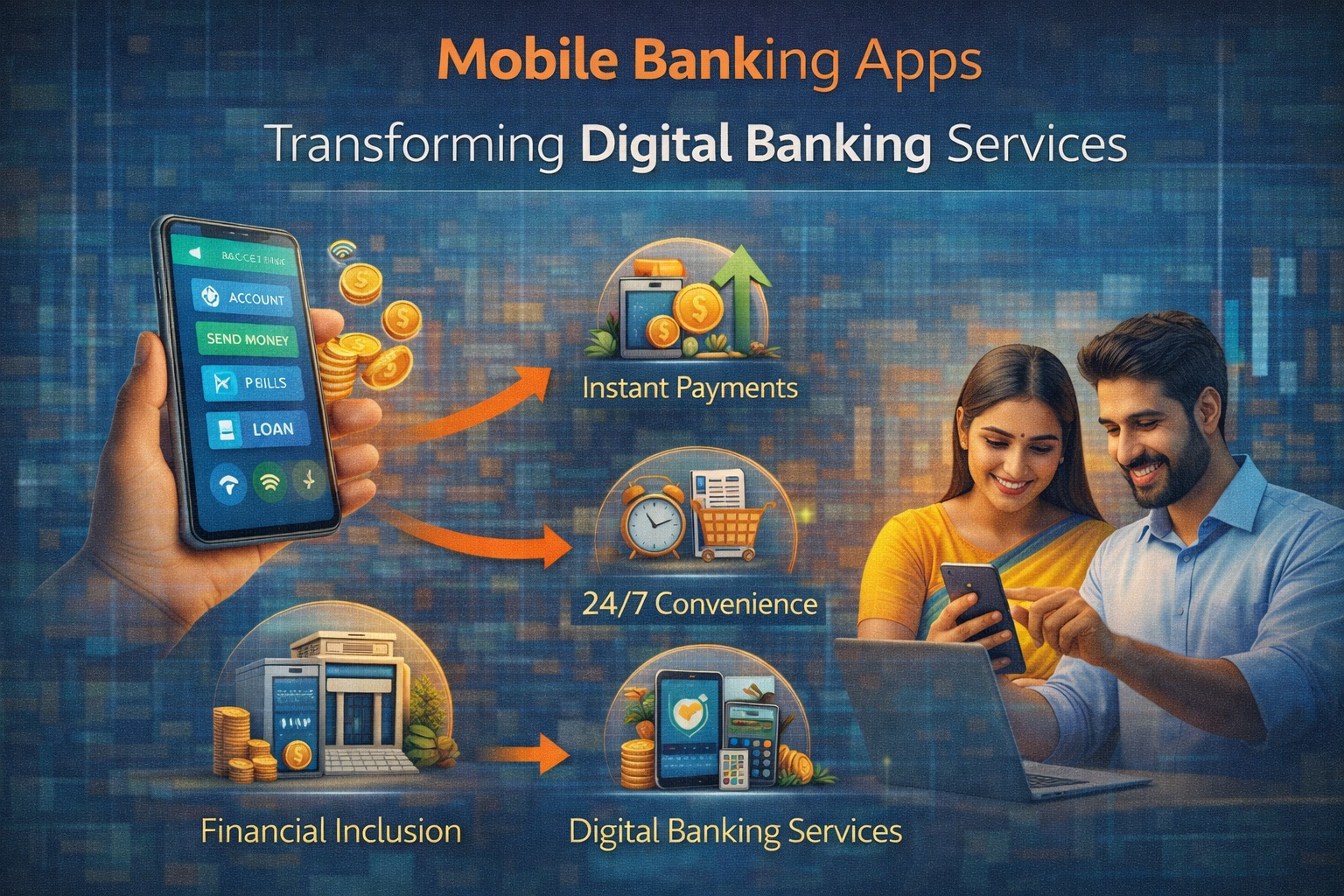
Mobile banking apps have transformed the way people interact with financial institutions. What once required physical visits to bank branches can now be done instantly through smartphones. From checking account balances to transferring money and applying for loans, mobile banking apps have become an essential part of modern financial services.
Over the past decade, advances in smartphone technology, internet connectivity, and fintech innovation have accelerated the evolution of mobile banking platforms. Banks and fintech companies continue to introduce new features designed to improve user experience, security, and financial accessibility.
AI Answer Box
How have mobile banking apps evolved?
Mobile banking apps have evolved from simple balance-checking tools into full-service digital banking platforms. Modern apps allow users to transfer money, pay bills, apply for loans, manage investments, and access financial insights directly from their smartphones.
Early Stage of Mobile Banking
Mobile banking began with basic SMS and internet banking services.
Early Features
balance inquiries
mini statements
simple fund transfers
These services were limited but marked the beginning of digital banking.
Rise of Smartphone Banking Apps
With the rise of smartphones, banks began launching dedicated mobile applications.
Key Improvements
| Feature | Benefit |
|---|---|
| User-friendly apps | Easier navigation |
| Real-time transactions | Instant banking services |
| Secure login systems | Improved safety |
Mobile apps made banking faster and more convenient.
Integration of Digital Payments
Mobile banking apps expanded further with digital payment technologies.
Popular Digital Payment Features
QR code payments
peer-to-peer transfers
bill payments
mobile wallets
These features transformed smartphones into powerful financial tools.
Role of Fintech Innovation
Fintech companies have played a major role in improving mobile banking.
Fintech Contributions
| Innovation | Impact |
|---|---|
| AI-based analytics | Personalized financial insights |
| Instant loan approvals | Faster lending services |
| Digital KYC | Quick account verification |
Fintech partnerships have allowed traditional banks to modernize their services.
Security Enhancements in Mobile Banking
Security remains a top priority for digital banking platforms.
Security Features
biometric authentication
two-factor authentication
encryption technologies
fraud detection systems
These technologies help protect users from cyber threats.
Benefits of Mobile Banking Apps
Convenience
Customers can perform banking activities anytime and anywhere.
Financial Inclusion
Mobile banking allows people in remote areas to access financial services.
Faster Transactions
Digital banking eliminates delays associated with traditional banking processes.
Challenges and Risks
Despite its benefits, mobile banking also presents certain challenges.
Key Risks
cybersecurity threats
data privacy concerns
digital literacy gaps
technology infrastructure issues
Banks must continuously upgrade security and educate users.
Future of Mobile Banking
Mobile banking apps are expected to become even more advanced.
Future Trends
| Trend | Impact |
|---|---|
| AI-powered financial advisors | Personalized banking |
| blockchain technology | secure transactions |
| voice-based banking | hands-free financial services |
| open banking platforms | integrated financial services |
These innovations will further transform digital banking experiences.
Expert Commentary
Financial technology experts believe mobile banking will continue to reshape the global financial landscape. As smartphone adoption increases and digital payments become mainstream, mobile apps will become the primary channel for banking services.
Banks that invest in digital innovation and cybersecurity will lead the next phase of financial technology evolution.
Key Takeaways
Mobile banking apps have evolved from basic tools to full-service digital platforms.
Fintech innovation has accelerated mobile banking development.
Digital payments and AI technologies are shaping the future of banking.
Security and digital literacy remain important challenges.
FAQs
1. What is mobile banking?
Mobile banking allows customers to perform banking activities through smartphone apps.
2. When did mobile banking start?
Mobile banking began with SMS banking and simple online services.
3. What services do mobile banking apps offer?
Balance checks, fund transfers, bill payments, loans, and investment management.
4. Are mobile banking apps secure?
Yes, banks use encryption, biometric authentication, and fraud detection systems.
5. How do fintech companies influence mobile banking?
They introduce new technologies such as AI and instant digital lending.
6. Can mobile banking promote financial inclusion?
Yes, it helps people in remote areas access banking services.
7. What is digital KYC?
Online identity verification used for account opening.
8. What is the future of mobile banking?
AI, blockchain, and voice banking will shape future innovations.
9. Do all banks offer mobile banking apps?
Most modern banks provide mobile banking services.
10. Why is mobile banking popular?
Because it offers convenience, speed, and accessibility.
Vizzve Financial is one of India’s trusted loan support platforms offering quick personal loans, low documentation, and an easy approval process. Apply at www.vizzve.com.
If you need funds for personal needs or emergencies, Vizzve Financial provides fast and reliable loan solutions.
Published on : 13th March
Published by : SMITA
www.vizzve.com || www.vizzveservices.com
Follow us on social media: Facebook || Linkedin || Instagram
🛡 Powered by Vizzve Financial
RBI-Registered Loan Partner | 10 Lakh+ Customers | ₹600 Cr+ Disbursed