

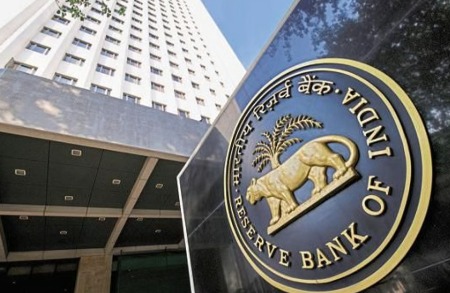
In a move aimed at strengthening India’s financial ecosystem, the Reserve Bank of India (RBI) has announced a series of lending reforms and credit flow measures to improve liquidity, lending efficiency, and credit access across key sectors.
These initiatives are designed to balance financial stability with inclusive growth, ensuring that banks, NBFCs, and MSMEs benefit from a more flexible and transparent credit environment.
Overview: Why RBI Is Reforming Lending Rules
India’s credit landscape has evolved rapidly — driven by digital lending, rising consumer demand, and small business expansion. However, challenges like uneven credit flow, high NPAs, and limited access for MSMEs still persist.
The RBI’s latest reforms focus on addressing these pain points through structural policy changes, digital transparency, and prudential risk management.
Key Highlights of RBI’s New Lending Reforms
1. Streamlining Credit Flow to Priority Sectors
RBI has expanded the Priority Sector Lending (PSL) norms to include:
Green energy projects (solar, EV infrastructure)
Rural startups and agri-tech ventures
Digital MSMEs and women-led enterprises
This ensures that credit reaches productive and under-served areas of the economy.
2. Enhanced Lending Flexibility for Banks & NBFCs
To encourage financial institutions to diversify portfolios and reduce credit bottlenecks, the RBI has:
Allowed greater co-lending partnerships between banks and NBFCs
Simplified refinancing rules for priority loans
Relaxed certain capital requirements for low-risk portfolios
These reforms promote collaborative financing, ensuring smoother flow of credit to end borrowers.
3. Credit Flow Monitoring via Digital Platforms
The RBI has emphasized real-time credit monitoring using data-driven systems such as:
CRILC (Central Repository of Information on Large Credits)
Account Aggregator Framework
Digital Public Infrastructure (DPI)
This enhances transparency and helps identify stress signals early in the lending cycle.
4. Support for MSMEs & Startups
Recognizing that MSMEs are the backbone of India’s economy, the RBI has:
Extended Emergency Credit Line Guarantee Scheme (ECLGS)-like benefits
Promoted collateral-free digital loans under regulated platforms
Encouraged banks to adopt AI-based credit scoring models
This aims to unlock liquidity for millions of small businesses facing working capital constraints.
5. Improved Risk Management
RBI’s new framework strengthens loan classification and provisioning standards.
Banks must adopt early warning systems for stressed assets.
Loan restructuring norms are simplified to prevent unnecessary NPAs.
Encourages ESG (Environmental, Social, Governance) evaluation in corporate lending.
These measures balance credit expansion with prudential discipline.
Impact on Borrowers and the Economy
| Segment | Expected Benefit |
|---|---|
| Retail Borrowers | Easier loan access and faster approvals |
| MSMEs | Enhanced liquidity and reduced collateral barriers |
| Banks/NBFCs | Better asset quality and lending flexibility |
| Economy | Increased credit flow and GDP growth momentum |
Together, these reforms are expected to accelerate India’s credit growth, projected to rise by 12–13% in FY26, according to market analysts.
FAQ
1. What is the main goal of RBI’s new lending reforms?
To streamline credit flow, reduce lending bottlenecks, and ensure financial inclusion across all sectors.
2. How do these measures affect borrowers?
Borrowers will benefit from simpler loan processes, digital approvals, and lower risk premiums.
3. Will these reforms help small businesses?
Yes — MSMEs and startups will have easier access to affordable credit, especially through co-lending and fintech partnerships.
4. What’s new for banks and NBFCs?
RBI has offered greater flexibility in portfolio management and risk-based capital relief for high-quality loans.
5. How does RBI ensure lending remains safe?
Through real-time monitoring, stress testing, and AI-driven credit analytics to detect risks early.
Published on : 7th October
Published by : SMITA
www.vizzve.com || www.vizzveservices.com
Follow us on social media: Facebook || Linkedin || Instagram
🛡 Powered by Vizzve Financial
RBI-Registered Loan Partner | 10 Lakh+ Customers | ₹600 Cr+ Disbursed
https://play.google.com/store/apps/details?id=com.vizzve_micro_seva&pcampaignid=web_share