

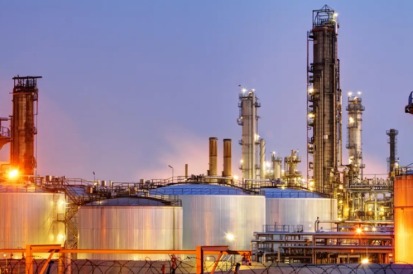
Global oil prices are not just a concern for energy companies—they directly impact your loan EMIs, living costs, and inflation. Understanding this connection can help you plan your finances better, especially if you have home loans, personal loans, or car loans.
1. How Oil Prices Influence Inflation
Fuel Costs: Petrol, diesel, and LPG prices rise with global crude rates.
Transportation Costs: Higher fuel prices increase the cost of goods transport, affecting the prices of essentials.
Ripple Effect: Price hikes in transportation and production contribute to overall inflation, raising the cost of living.
Example: If global crude prices increase by 10%, the cost of transporting goods may rise by 3–5%, indirectly impacting retail prices.
2. Connection Between Oil Prices and Loan EMIs
RBI Policy: Rising inflation due to higher oil prices can prompt the RBI to increase repo rates, which affects floating-rate loans.
EMI Impact: Loans with floating interest rates (home, car, personal loans) may see higher EMIs when rates rise.
Fixed-Rate Loans: These remain unaffected in the short term but can be more expensive to refinance.
3. Impact on Household Budgets
Higher fuel and transport costs leave less disposable income for savings and loan repayment.
Households may need to adjust spending on non-essential items to manage rising EMIs.
Long-term inflation can reduce purchasing power, making strategic investment and budgeting more important.
4. How Borrowers Can Mitigate the Impact
Opt for Fixed-Rate Loans: Protect EMIs from short-term rate fluctuations.
Prepay Loans if Possible: Reduces interest burden during rising-rate periods.
Monitor Inflation Trends: Track RBI updates and global oil trends to plan budgets.
Diversify Income & Savings: Invest in instruments that hedge against inflation, like ELSS or gold.
FAQs
Q1: Do oil prices directly increase my EMI?
A: Not directly. Rising oil prices can increase inflation, prompting RBI rate hikes that affect floating-rate loans.
Q2: Are fixed-rate loans safe from global oil price impact?
A: Yes, your EMIs remain fixed, but refinancing later could be more expensive if rates rise.
Q3: How can I protect my household budget from inflation?
A: Reduce non-essential spending, increase savings, and consider investments that grow with inflation.
Q4: Why do RBI rate changes follow oil price trends?
A: Oil price hikes drive inflation, and RBI adjusts rates to maintain price stability in the economy.
Published on : 3rd October
Published by : SMITA
www.vizzve.com || www.vizzveservices.com
Follow us on social media: Facebook || Linkedin || Instagram
🛡 Powered by Vizzve Financial
RBI-Registered Loan Partner | 10 Lakh+ Customers | ₹600 Cr+ Disbursed
https://play.google.com/store/apps/details?id=com.vizzve_micro_seva&pcampaignid=web_share