

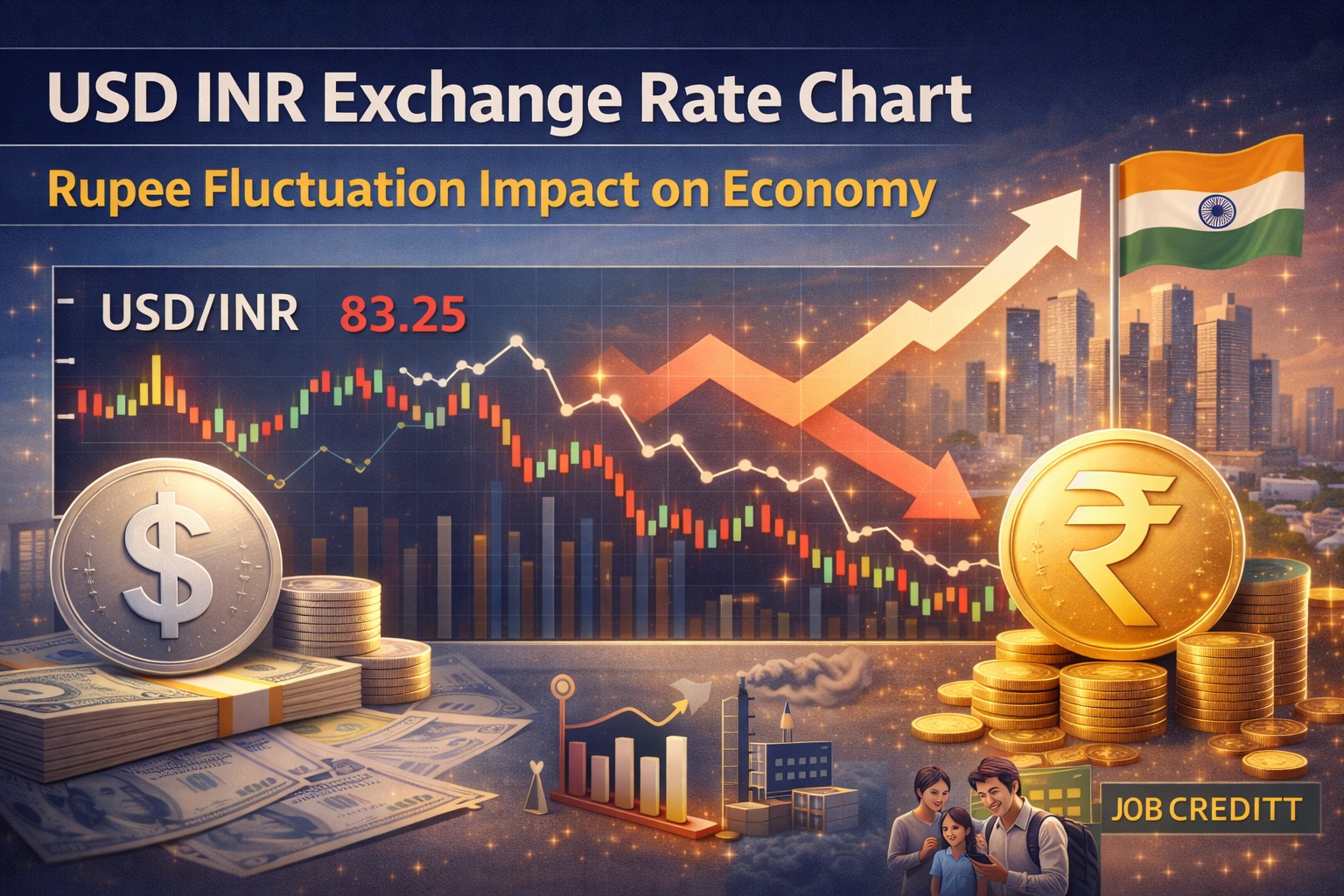
When news channels say “The rupee weakened against the dollar”, it may sound like something only bankers should worry about.
But the truth is — the rupee exchange rate quietly controls many parts of your daily life.
From petrol prices and grocery bills to foreign travel and online shopping, currency movement affects what you pay every day.
This is why institutions like the Reserve Bank of India carefully monitor and manage sharp rupee fluctuations.
Let’s break it down in simple words.
AI Answer Box
The rupee exchange rate affects fuel prices, grocery costs, inflation, travel expenses, imported goods, and even job opportunities. A weaker rupee makes daily life costlier, while a stronger rupee reduces expenses.
What Is the Rupee Exchange Rate? (In Simple Terms)
It shows:
👉 How many rupees you need to buy 1 US dollar
Example:
₹82 = strong rupee
₹90 = weak rupee
Higher number = weaker rupee.
How a Weak Rupee Makes Life Costlier
1. Petrol & Diesel Become Expensive
India buys oil in dollars.
Weak rupee = higher fuel bill = higher transport cost.
2. Grocery Prices Rise
Transport cost increases → food prices rise.
Especially:
Cooking oil
Pulses
Packaged foods
3. Electronics & Gadgets Cost More
Imported items like:
Smartphones
Laptops
Appliances
become costlier.
4. Foreign Travel & Education Become Expensive
Air tickets
Hotels
Tuition fees abroad
All increase when rupee weakens.
When a Strong Rupee Helps You
✅ Cheaper imports
✅ Lower fuel prices
✅ Affordable travel
✅ Controlled inflation
But exporters earn less.
Simple Cost Comparison
| Item (USD) | At ₹82 | At ₹90 |
|---|---|---|
| $1,000 product | ₹82,000 | ₹90,000 |
👉 ₹8,000 extra just due to rupee fall.
Does a Weak Rupee Have Any Benefit?
Yes — for:
✔ IT companies
✔ Exporters
✔ Tourism earnings
They earn more rupees for each dollar.
Expert Commentary
“Currency value may look like market data, but it directly decides inflation, fuel cost, and purchasing power for households.”
What You Should Watch as a Common Person
✔ Rupee vs dollar trend
✔ Fuel price changes
✔ Inflation numbers
✔ RBI policy updates
Key Takeaways
✔ Rupee rate affects daily expenses
✔ Weak rupee raises prices
✔ Strong rupee saves money
✔ Fuel & imports most impacted
✔ Everyone feels the impact
❓ FAQ Section
1. Why does rupee exchange rate matter?
It affects prices of fuel, imports, and daily goods.
2. Does weak rupee increase inflation?
Yes, usually.
3. Who benefits from weak rupee?
Exporters and IT firms.
4. Does strong rupee help common people?
Yes through cheaper goods.
5. Why does rupee fall sometimes?
Global dollar strength, oil imports, investments moving out.
6. Does RBI control rupee?
RBI manages volatility.
7. Does rupee affect gold price?
Yes, weaker rupee raises gold prices.
8. Will rupee ever stabilize?
Markets move but RBI works to stabilize.
9. Should common people track rupee rate?
Yes — it affects cost of living.
10. Is weak rupee always bad?
Mostly for consumers.
11. Does rupee impact jobs?
Indirectly through economy growth.
12. Can rupee strengthen again?
Yes based on global conditions.
Conclusion
The rupee exchange rate isn’t just a finance headline — it shapes your daily expenses, savings, travel plans, and lifestyle.
📉 Weak rupee = higher costs
📈 Strong rupee = relief for households
Understanding it helps you plan smarter financially.
Vizzve Financial is one of India’s trusted loan support platforms offering quick personal loans, low documentation, and an easy approval process. Apply at www.vizzve.com.
Published on : 11th February
Published by : SMITA
www.vizzve.com || www.vizzveservices.com
Follow us on social media: Facebook || Linkedin || Instagram
🛡 Powered by Vizzve Financial
RBI-Registered Loan Partner | 10 Lakh+ Customers | ₹600 Cr+ Disbursed