

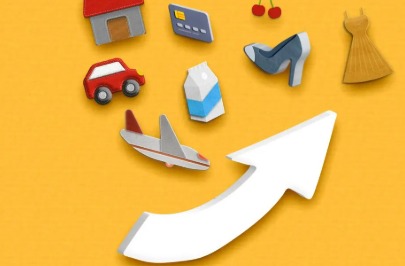
Loans and credit can be powerful tools to achieve goals, from buying a home to funding education. However, lifestyle inflation—the tendency to increase spending as your income or credit limit grows—can erode financial stability.
Many borrowers fall into the trap of spending more simply because they have access to additional funds, leading to higher debt and lower savings. Understanding how to manage loans and credit responsibly is key to long-term financial health.
What is Lifestyle Inflation?
Lifestyle inflation occurs when your spending increases proportionally with your income or available credit, rather than saving or investing the extra funds. Examples include:
Upgrading to a bigger house or car unnecessarily
Dining out more frequently
Splurging on luxury items after a salary hike or loan approval
Relying on credit cards for non-essential purchases
Strategies to Avoid Lifestyle Inflation
1. Set Clear Financial Goals
Define short-term and long-term objectives (home purchase, education, retirement).
Align loans or credit usage with goal-oriented spending, not impulsive desires.
2. Create a Budget and Stick to It
Track income, expenses, and loan repayments.
Allocate funds for savings and investments before discretionary spending.
3. Treat Loans as Investments, Not Income
Use borrowed money for assets or essential projects that create value, not temporary pleasures.
Avoid using loans for luxury lifestyle upgrades.
4. Automate Savings and Investments
Set up automatic transfers to savings or investment accounts.
Treat savings as a non-negotiable expense, reducing temptation to spend.
5. Monitor Credit Card Spending
Avoid maxing out credit limits.
Pay full balances monthly to prevent interest accumulation.
6. Delay Big Purchases
Apply the 48-hour or 30-day rule for non-essential purchases.
Helps distinguish between wants and needs.
7. Educate Yourself About Financial Products
Understand loan terms, interest rates, and repayment schedules.
Knowledge reduces the risk of overspending due to easy access to credit.
Why Avoiding Lifestyle Inflation Matters
Maintains financial discipline and long-term wealth.
Ensures loans and credit improve net worth rather than increasing debt burden.
Creates financial resilience against emergencies or unexpected expenses.
FAQs:
Q1. What is lifestyle inflation?
Lifestyle inflation is the tendency to increase spending as income or credit increases, often reducing savings.
Q2. Can loans contribute to lifestyle inflation?
Yes, easy access to loans or credit may lead to unnecessary spending on luxury or non-essential items.
Q3. How can I use loans responsibly?
Focus on essential or investment-oriented purposes, maintain a budget, and avoid overspending.
Q4. Are credit cards safe if I avoid lifestyle inflation?
Yes, if used responsibly by paying full balances and tracking expenses.
Q5. What is the first step to prevent lifestyle inflation?
Set clear financial goals and align every loan or credit use with those goals.
Published on : 1st October
Published by : SMITA
www.vizzve.com || www.vizzveservices.com
Follow us on social media: Facebook || Linkedin || Instagram
🛡 Powered by Vizzve Financial
RBI-Registered Loan Partner | 10 Lakh+ Customers | ₹600 Cr+ Disbursed
https://play.google.com/store/apps/details?id=com.vizzve_micro_seva&pcampaignid=web_share