

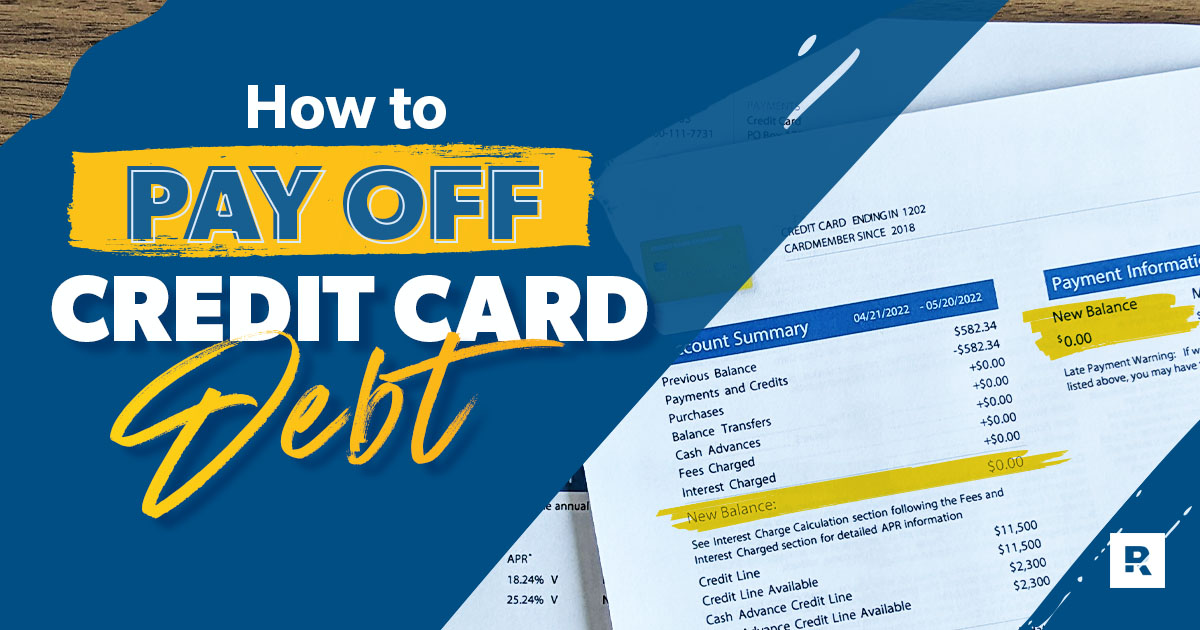
How to Pay Off Your Credit Card Debt Without Burning Out
Paying off credit card debt is one of the most rewarding financial achievements, but it shouldn’t come at the cost of your well-being or daily happiness. With the right approach, you can eliminate debt strategically—without feeling overwhelmed or deprived.
Why Avoiding Burnout Matters in Your Debt Journey
Burnout can occur when aggressive debt repayment leaves you feeling anxious, exhausted, or financially deprived. This often leads to frustration and relapse into old spending habits. Instead, balance your payoff plan with self-care and sustainability for lasting success.
Sustainable Strategies to Eliminate Credit Card Debt
Understand Your Debt Landscape
List all your card balances, interest rates, and minimum payments. Awareness is the first step to stress-free planning.
Choose a Payoff Strategy that Fits You
Snowball Method: Pay off the smallest balance first for quick wins and boosted motivation.
Avalanche Method: Tackle the highest-interest debt first to save the most money overall.
Both methods work—choose what keeps you moving, not what feels punishing.
Set Realistic Payments
Commit to an extra monthly amount you can sustain without sacrificing essentials or small joys. Consistency is more important than intensity.
Automate Your Payments
Use auto-pay to ensure you never miss a due date and reduce mental load. Watching debt shrink steadily is motivating.
Keep a Treat Fund (Within Reason)
Budget a small monthly amount for non-essential pleasures—a coffee out, a movie, a hobby. This prevents burnout and keeps your morale high.
Cut High-Interest Costs Creatively
Consider consolidating your cards onto a lower-interest personal loan, or use a 0% balance transfer offer to buy time (watch for fees and plan to pay it off within the promotional period).
Boost Income Selectively
If possible, take a side gig or sell unused items. Channel only a portion of extra income to debt — use some to enjoy guilt-free moments.
Track Progress and Celebrate Milestones
Mark every ₹5,000 or ₹10,000 paid down with a small, meaningful reward. This makes the journey feel positive and achievable.
Protect Your Mental Health
Remember: Debt repayment is a marathon, not a sprint. Prioritize sleep, nutrition, and time with loved ones. If anxiety starts to rise, revisit your plan and adjust your payment target until it feels manageable.
Frequently Asked Questions (FAQ)
Q1: Should I pay off all my debt as fast as possible?
Not if it means sacrificing your daily needs or happiness. Consistent, steady payments are more sustainable than extreme cutbacks.
Q2: How do I choose between the snowball and avalanche methods?
Pick the approach that motivates you most. Quick wins energize some people (snowball), while saving on interest motivates others (avalanche).
Q3: Is it okay to enjoy small treats while paying off debt?
Yes, as long as you budget for them and don’t use credit. Small joys make your journey sustainable.
Q4: Can I use a personal loan to pay off all my cards?
Sometimes. A loan with a lower rate can simplify payments and reduce interest, but only if you stop fresh card spending.
Q5: What if I miss a payment one month?
Don’t panic. Assess why it happened, adjust your plan, and get back on track next month. Consistency beats perfection.
Published on: July 28, 2025
Published by: PAVAN
www.vizzve.com || www.vizzveservices.com
Follow us on social media: Facebook || Linkedin || Instagram
🛡 Powered by Vizzve Financial
RBI-Registered Loan Partner | 10 Lakh+ Customers | ₹600 Cr+ Disbursed