

Introduction
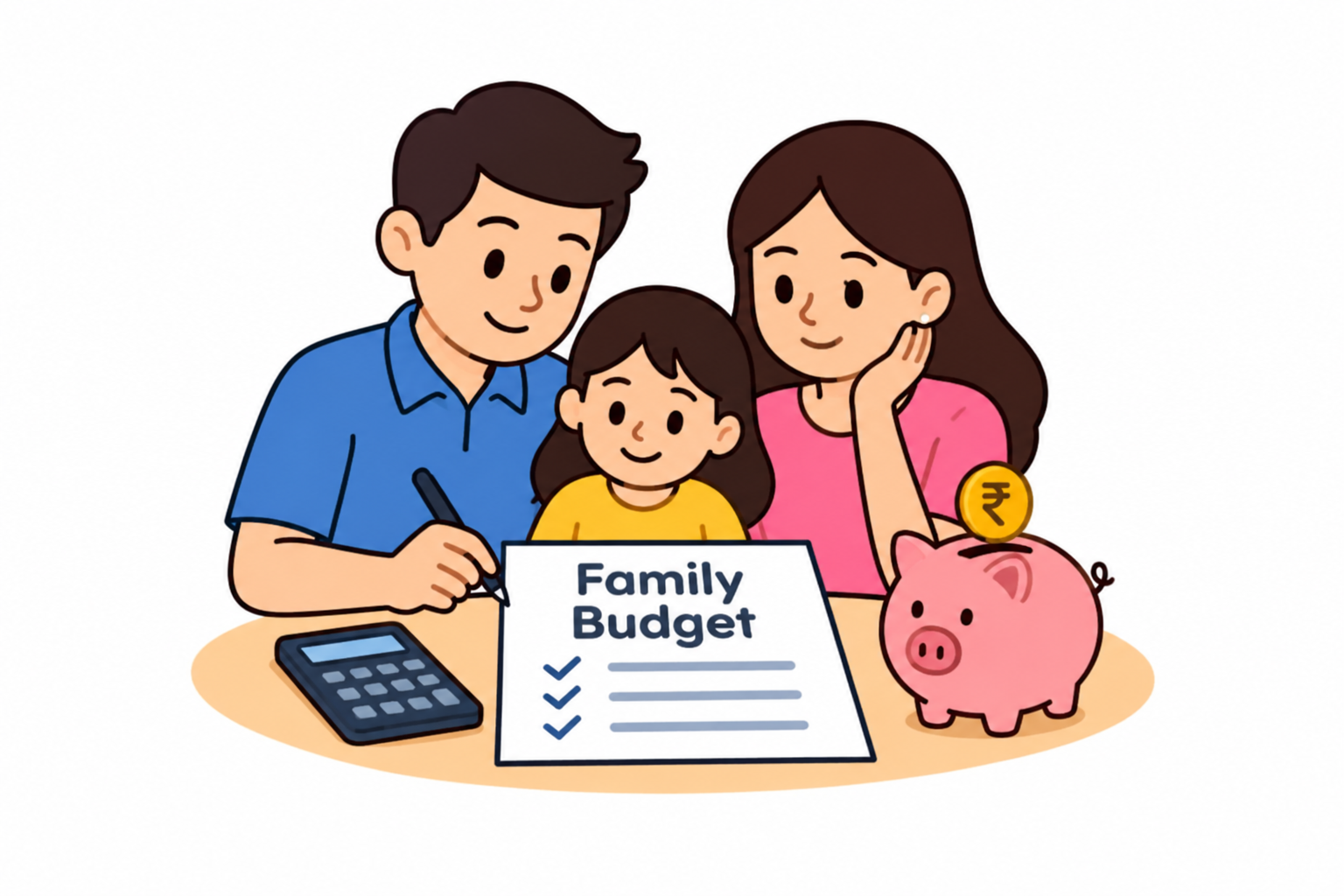
Managing a family with only one source of income can be challenging, especially when household expenses, children's education, medical costs, rent, groceries and other financial responsibilities continue to increase.
When only one family member earns, proper financial planning becomes essential. A well-organised budget helps families manage monthly expenses, avoid unnecessary spending, save money and prepare for unexpected situations.
The good news is that living on one income does not mean you cannot achieve your financial goals. With smart budgeting, spending discipline and consistent savings, you can build a financially stable household.
In this guide, we will explore practical ways to plan a family budget on one income.
1. Understand Your Monthly Household Income
The first step is to calculate your total monthly take-home income.
Include:
-
Monthly salary after deductions
-
Regular additional income
-
Rental income, if applicable
-
Any other reliable income sources
Always prepare your budget based on the amount you actually receive rather than your gross salary.
Example: If one family member earns ₹40,000 per month, use ₹40,000 as the starting point for monthly budget planning.
2. List All Your Monthly Expenses
Before deciding how much to save, understand where your money goes.
Divide expenses into two categories.
Fixed Expenses
-
House rent or home loan EMI
-
School or college fees
-
Insurance premiums
-
Existing loan EMIs
-
Internet and mobile bills
Variable Expenses
-
Groceries
-
Electricity and water bills
-
Transportation
-
Medical expenses
-
Clothing
-
Entertainment
-
Household purchases
Tracking these expenses helps identify unnecessary spending and areas where you can save.
3. Follow a Practical Monthly Budget
A budgeting rule can help you divide your income into different categories. However, families living on one income should adjust the percentages according to their actual responsibilities.
For example, consider this monthly budget for a family earning ₹40,000.
| Expense Category | Monthly Budget |
|---|---|
| Rent and utilities | ₹12,000 |
| Groceries | ₹7,000 |
| Education | ₹4,000 |
| Transportation | ₹3,000 |
| Medical and insurance | ₹2,000 |
| Loan repayments | ₹4,000 |
| Savings and emergency fund | ₹5,000 |
| Miscellaneous | ₹3,000 |
| Total | ₹40,000 |
This is only an illustrative budget. Actual allocations should depend on family size, location, housing costs and existing financial commitments.
4. Prioritise Essential Expenses
When managing a household on one salary, essential expenses should always come first.
Prioritise:
-
Rent or housing payments
-
Food and groceries
-
Children's education
-
Electricity and water
-
Medical requirements
-
Insurance and necessary loan repayments
Avoid spending on unnecessary purchases before covering essential household needs.
5. Build an Emergency Fund
An emergency fund is especially important for a single-income family.
If the earning member loses their job, faces a medical emergency or experiences a temporary salary delay, household expenses can become difficult to manage.
Start by saving a small amount every month.
For example:
-
Monthly income: ₹40,000
-
Monthly emergency savings: ₹2,000
-
Savings in 6 months: ₹12,000
-
Savings in 12 months: ₹24,000
Gradually work towards building an emergency fund covering around 3–6 months of essential household expenses, depending on your circumstances.
Keep emergency savings accessible and separate from everyday spending money.
6. Reduce Unnecessary Monthly Expenses
Small expenses can make a big difference over time.
Try these practical money-saving habits:
-
Prepare a weekly grocery list.
-
Compare prices before purchasing household products.
-
Avoid frequent food deliveries.
-
Cancel unused subscriptions.
-
Reduce unnecessary online shopping.
-
Use electricity and water carefully.
-
Plan family outings within a fixed budget.
You do not need to eliminate every enjoyable activity. The goal is to spend thoughtfully.
7. Manage Loan EMIs Carefully
Existing loans can create financial pressure when a household depends on one salary.
Before taking a new loan:
-
Check your monthly repayment capacity.
-
Compare interest rates and total borrowing costs.
-
Understand processing fees and other charges.
-
Review the repayment tenure.
-
Avoid borrowing for unnecessary purchases.
Try to maintain enough money for essential expenses and savings after paying your existing EMIs.
Never depend on another loan to repay an existing loan without understanding the additional financial burden.
8. Plan Children's Education Expenses
Education is an important long-term family responsibility.
Parents can prepare for these costs by:
-
Planning school fees in advance.
-
Keeping education savings separate.
-
Preparing for annual admission and examination expenses.
-
Comparing education-related costs.
-
Avoiding last-minute borrowing whenever possible.
Even small, regular savings can help manage future education expenses.
9. Save for Future Financial Goals
A family budget should not focus only on monthly expenses.
Consider setting financial goals such as:
-
Buying a house
-
Children's higher education
-
Retirement planning
-
Purchasing a vehicle
-
Family healthcare
-
Long-term savings
Set realistic targets and save consistently. Review your progress every few months.
10. Review Your Budget Every Month
A budget is not something you prepare once and forget.
At the end of every month:
-
Compare planned expenses with actual spending.
-
Identify unnecessary purchases.
-
Check whether savings targets were achieved.
-
Review upcoming bills.
-
Adjust the next month's budget.
If expenses increase, make adjustments without compromising essential needs.
Practical Example: A Family Managing Life on One Salary
Consider a family of four living in a city.
The earning member receives ₹45,000 per month. The family has to manage rent, groceries, children's school fees, transportation and regular household bills.
Instead of spending without a plan, they divide their income into essential expenses, loan repayments, savings and personal spending.
They also decide to:
-
Prepare groceries at home.
-
Reduce unnecessary shopping.
-
Save a fixed amount every month.
-
Maintain a separate emergency fund.
-
Avoid unnecessary loans.
Over time, these simple habits help the family manage financial responsibilities with greater confidence.
Common Mistakes to Avoid
Families managing one income should avoid these common budgeting mistakes:
-
Spending before planning monthly expenses.
-
Ignoring small daily purchases.
-
Not maintaining emergency savings.
-
Taking multiple loans without checking repayment capacity.
-
Using credit cards without a repayment plan.
-
Ignoring insurance and healthcare expenses.
-
Not planning for annual school fees and other irregular expenses.
-
Failing to review the monthly budget.
Avoiding these mistakes can improve financial stability.
Key Takeaways
-
Calculate your actual monthly take-home income.
-
List all fixed and variable household expenses.
-
Prioritise essential spending.
-
Follow a realistic monthly budget.
-
Build an emergency fund gradually.
-
Avoid unnecessary loans and purchases.
-
Plan for children's education and future goals.
-
Review your spending every month.
Frequently Asked Questions (FAQs)
1. How do I manage a family on one income?
Prepare a monthly budget, prioritise essential expenses, reduce unnecessary spending and save regularly.
2. What is the best budget for a single-income family?
There is no single perfect budget. The right allocation depends on income, family size, location and financial responsibilities.
3. How much should a family save every month?
Save an affordable fixed amount every month. Even small savings can help build financial security over time.
4. How can I reduce household expenses?
Plan groceries, avoid unnecessary subscriptions, compare prices and track daily spending.
5. Is it possible to save money on one salary?
Yes. With proper expense planning and consistent savings habits, families can save even with a single source of income.
6. How much emergency savings should a family maintain?
A common goal is 3–6 months of essential living expenses, adjusted to the family's income stability and responsibilities.
7. Should I pay off loans or save money first?
Maintain some emergency savings while meeting required EMI payments. Then prioritise expensive debt repayment according to your financial situation.
8. How can I manage children's education expenses?
Plan school fees in advance and maintain a separate education savings fund.
9. What are the biggest expenses for a single-income family?
Housing, groceries, education, transportation, healthcare and loan repayments are common major expenses.
10. How can I avoid overspending?
Set spending limits, prepare shopping lists and review your expenses regularly.
11. Should I use a budgeting app?
A budgeting app or simple spreadsheet can help track income, expenses and savings goals.
12. How often should I review my family budget?
Review it every month and make changes whenever income or household expenses change.
13. What happens if one income is not enough?
Review non-essential expenses, prioritise necessary bills, explore suitable additional income opportunities and avoid taking expensive loans to cover regular spending.
14. How can a single-income family prepare for emergencies?
Build an emergency fund, maintain suitable insurance coverage and keep essential financial documents organised.
15. Can a family achieve financial goals with one income?
Yes. Realistic planning, disciplined spending and regular savings can
help families work towards long-term financial goals.
Conclusion
Planning a family budget on one income requires discipline, patience and smart financial decisions. By understanding monthly income, prioritising essential expenses, controlling unnecessary spending and building emergency savings, families can manage their financial responsibilities more confidently.
Remember, successful budgeting is not about earning more money alone. It is also about using the available income wisely.
Vizzve encourages responsible financial planning and informed borrowing decisions to help individuals and families build better money management habits.
Published on : 16th November
Published by : monisha
www.vizzve.com || www.vizzveservices.com
Follow us on social media: Facebook || Linkedin || Instagram
🛡 Powered by Vizzve Financial
RBI-Registered Loan Partner | 10 Lakh+ Customers | ₹600 Cr+ Disbursed