

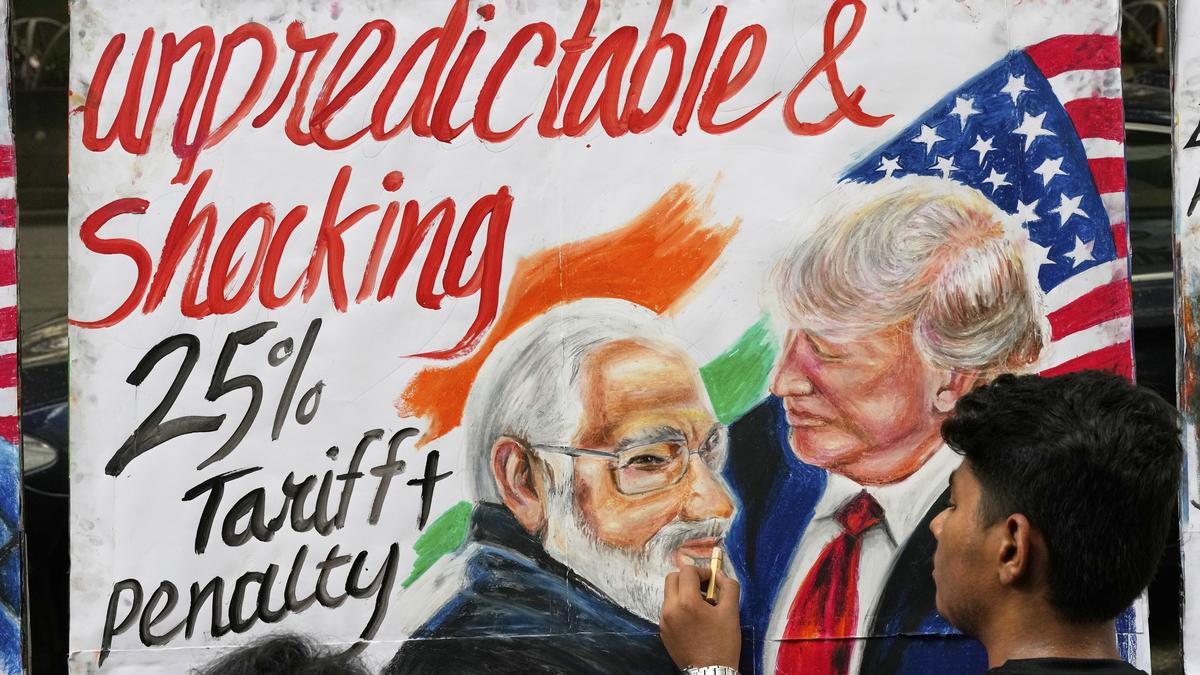
How Trump’s 25% Tariffs Impact India: Explained
In August 2025, the United States, under President Donald Trump, imposed a blanket 25% tariff on all Indian imports, marking one of the most significant trade escalations against India in recent years. Unlike other trade partners who received exemptions or lower tariff rates, India faces the full brunt of these duties, severely impacting its key export sectors and complicating diplomatic relations.
Major Economic Impacts of the Tariffs
Loss of Market Share: India’s exports to the US are forecasted to fall by approximately 30%, dropping from about $86.5 billion in 2025 to roughly $60.6 billion in 2026 if unresolved.
Rising Export Costs: The 25% tariff inflates the cost of Indian goods in the US market, undermining India’s competitiveness compared to countries paying lower tariffs such as Japan (15%) and Vietnam (20%).
GDP Impact: The tariff impact is projected to reduce India’s GDP growth by 0.2 to 0.4 percentage points, mainly due to disruptions in export-heavy sectors.
Sectors Most Affected
Pharmaceuticals: India supplies nearly 50% of the US generic drug market. The tariff squeezes profit margins and may reduce export volumes significantly.
Electronics: Exporters of electronics, including major components for iPhones and other devices, face increased challenges maintaining competitiveness.
Textiles and Apparel: This traditionally robust sector risks losing orders due to the 25% price hike, making Indian goods costlier compared to alternatives.
Gems and Jewelry: Over 30% of India’s global jewelry exports are destined for the US, now under severe tariff pressure.
Petroleum Products and Auto Components: These sectors also face cost increases threatening export volumes and profitability.
Reasons for the Tariffs
The US has justified the tariff citing India’s growing trade deficit with America (about $45.7 billion in 2024), India’s ongoing purchase of Russian oil and defense equipment, and perceived unfair trade practices.
The tariffs are part of broader US trade policy measures invoked under national security and unfair trade practice provisions, including Section 232 and Section 301 of US trade law.
Diplomatic and Trade Implications
The tariffs strain the strategic India-US partnership, complicate ongoing trade negotiations, and introduce significant economic friction.
Indian exporters are urgently seeking market diversification to the EU, ASEAN nations, and Africa to mitigate losses.
The Indian government remains engaged in diplomacy, regarding the tariffs as a negotiation tactic, and is focused on safeguarding domestic sectors and workers.
Outlook and Response
If unresolved, these tariffs are likely to cause job losses, increased production costs, and a need to restructure export strategies in affected sectors.
Some sectors such as IT services and specialized engineering are less affected and may maintain resilience amid tariff impacts.
Exporters and policymakers are working on alternative supply chains and trade agreements to offset the loss of the US market share.
Frequently Asked Questions (FAQ) About Trump’s 25% Tariffs on India
Q1: Why did the US impose 25% tariffs on Indian goods?
The tariffs target India due to the growing US trade deficit, India’s purchase of Russian oil and military equipment, and concerns over unfair trade practices. They serve as leverage in ongoing trade negotiations.
Q2: Which sectors in India are most affected by the tariffs?
Pharmaceuticals, electronics (including iPhone components), textiles, gems and jewelry, petroleum products, and auto components are most affected.
Q3: How much could India’s exports to the US decline due to these tariffs?
Experts estimate a decline of about 30%, from $86.5 billion in 2025 to approximately $60.6 billion in 2026 if the dispute persists.
Q4: What is the overall economic impact on India?
The GDP growth rate may shrink by 0.2 to 0.4 percentage points due to the tariff-induced export disruptions, especially affecting sectors reliant on US trade.
Q5: How is India responding to the tariff imposition?
India is engaging in diplomatic negotiations with the US, supporting exporters seeking new markets, and strengthening policies to protect vital industries and labor.
Published on: August 3, 2025
Published by: PAVAN
www.vizzve.com || www.vizzveservices.com
Follow us on social media: Facebook || Linkedin || Instagram
🛡 Powered by Vizzve Financial
RBI-Registered Loan Partner | 10 Lakh+ Customers | ₹600 Cr+ Disbursed