

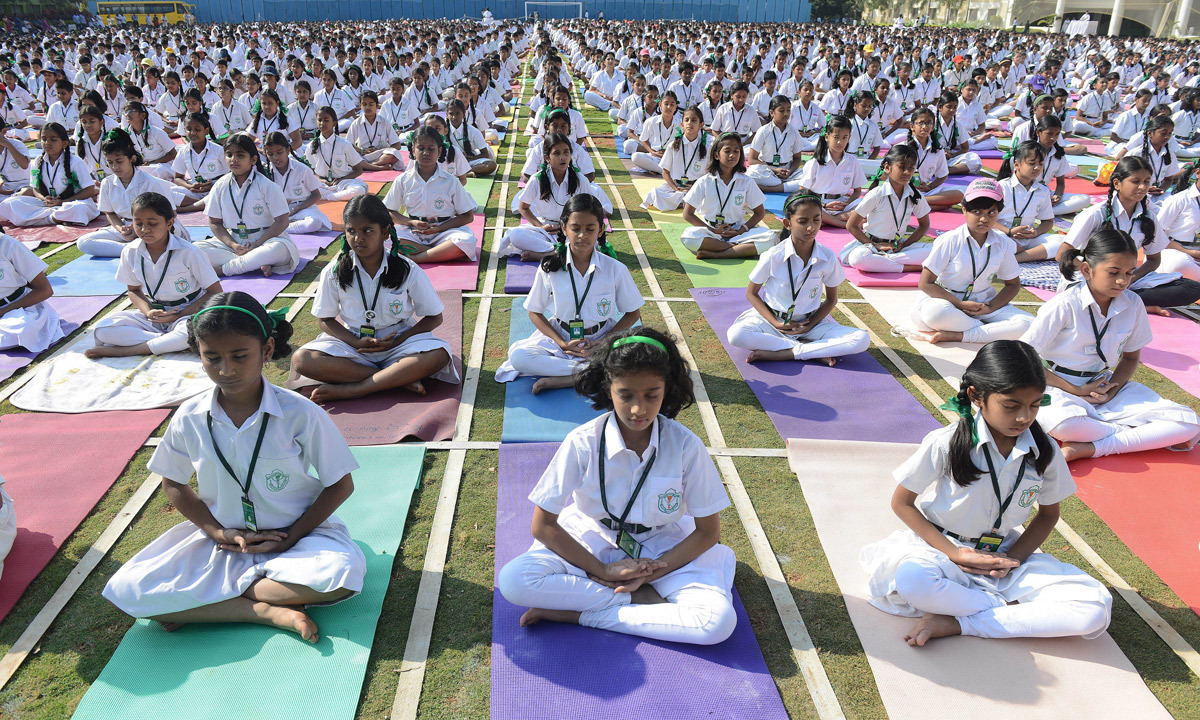
Yoga, the ancient practice of physical postures, breathing techniques, and meditation, is gaining increasing attention worldwide for its numerous health benefits. Recognizing its value, many schools in India and globally are integrating yoga into their daily curriculum to promote physical fitness, mental well-being, and holistic development among students.
Why Introduce Yoga in Schools?
Physical Health: Yoga improves flexibility, strength, and balance, helping children stay active and healthy.
Mental Well-being: Regular practice reduces stress, anxiety, and enhances concentration, which can boost academic performance.
Emotional Resilience: Yoga encourages mindfulness and emotional regulation, aiding students in managing their feelings effectively.
Holistic Development: It nurtures a sense of discipline, self-awareness, and inner calm, important traits for personal growth.
Successful Yoga Programs in Schools
Government Initiatives: The Ministry of Education and Ministry of AYUSH have promoted yoga through programs like ‘Yoga in Schools’ under the National Education Policy (NEP).
Private and International Schools: Many institutions incorporate yoga sessions as part of physical education or extracurricular activities.
Teacher Training: Schools are investing in training educators to effectively deliver age-appropriate yoga lessons.
Key Yoga Practices for Students
Asanas (Postures): Simple poses like Tadasana (Mountain Pose), Vrikshasana (Tree Pose), and Bhujangasana (Cobra Pose) enhance physical strength.
Pranayama (Breathing Techniques): Exercises such as Anulom Vilom and Bhramari help regulate breathing and calm the mind.
Meditation & Relaxation: Short guided meditations improve focus and reduce anxiety.
Benefits Observed
Improved attention span and memory retention among students.
Reduced instances of behavioral problems and increased social harmony.
Better posture and reduced physical ailments linked to sedentary lifestyles.
Enhanced emotional balance and stress management skills.
Challenges and the Way Forward
Ensuring consistent practice amid academic pressures.
Overcoming misconceptions about yoga being a religious activity.
Need for standardized curriculum and certified instructors.
Conclusion
Integrating yoga into school curriculums is a proactive step towards fostering healthier, more balanced future generations. By combining physical exercise with mindfulness, yoga equips students to face academic and life challenges with resilience and calm.
FAQs
Q1: Why is yoga important for school students?
A1: Yoga helps improve physical fitness, mental focus, emotional balance, and overall well-being in children.
Q2: Are there government programs promoting yoga in schools?
A2: Yes, the Indian government promotes yoga through initiatives aligned with the National Education Policy and Ministry of AYUSH.
Q3: What yoga practices are suitable for children?
A3: Simple asanas, breathing exercises like Anulom Vilom, and short meditation sessions are ideal for school students.
Q4: How does yoga benefit academic performance?
A4: Yoga enhances concentration, reduces stress, and improves memory, which can positively impact learning outcomes.
Q5: What challenges exist in implementing yoga programs in schools?
A5: Challenges include academic time constraints, misconceptions about yoga, and the need for trained instructors.
Published on : 9th August
Published by : SMITA
www.vizzve.com || www.vizzveservices.com
Follow us on social media: Facebook || Linkedin || Instagram
🛡 Powered by Vizzve Financial
RBI-Registered Loan Partner | 10 Lakh+ Customers | ₹600 Cr+ Disbursed