

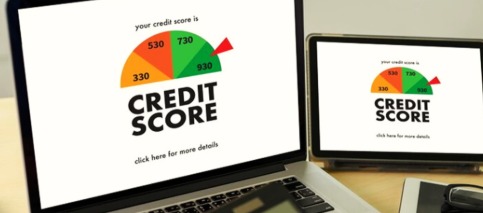
Your CIBIL score is more than just a number—it’s a reflection of your credit behavior and is used extensively by banks and fintech platforms to make lending decisions.
Understanding how financial institutions use your CIBIL score can help you manage credit better, improve approval chances, and access better loan terms.
How Banks Use Your CIBIL Score
Loan Approval: Banks rely on your score to assess creditworthiness. A higher score increases approval chances.
Interest Rate Determination: Customers with better scores often get lower interest rates, reducing overall borrowing costs.
Loan Amount and Tenure: Banks may adjust the loan amount, tenure, and EMI based on your score.
Credit Card Issuance: Approval and credit limit are often tied to your CIBIL score.
Risk Assessment: Helps banks minimize defaults and maintain healthy loan portfolios.
How Fintech Platforms Use Your CIBIL Score
Quick Loan Approvals: Fintechs use scores for instant or quick personal loans with minimal paperwork.
Tailored Offers: Based on your credit profile, platforms suggest loans, credit cards, or buy-now-pay-later options.
Dynamic Interest Rates: Some fintechs adjust rates and limits dynamically depending on your score.
Alternative Data Checks: While scores are important, fintechs may also consider digital transaction history for faster approval.
Tips to Maintain a Healthy CIBIL Score
Pay EMIs and Credit Card Bills on Time: Timely payments directly impact your score.
Keep Credit Utilization Low: Use less than 30–40% of available credit.
Avoid Multiple Loans at Once: Frequent credit inquiries can lower your score temporarily.
Monitor Your Score Regularly: Check your CIBIL report at least annually.
Clear Old Dues: Settling past defaults boosts creditworthiness.
FAQ
Q1: What is a good CIBIL score?
A1: A score 750 and above is considered excellent for loan and credit card approvals.
Q2: Can fintech platforms approve loans with low CIBIL scores?
A2: Some may offer small-ticket loans with higher interest rates, but generally a higher score improves eligibility.
Q3: Does checking my CIBIL score affect it?
A3: No, soft inquiries for personal checks do not impact your score.
Q4: How often should I check my CIBIL score?
A4: At least once a year, or before applying for major credit.
Q5: Can repaying loans improve my score?
A5: Yes, timely repayment boosts your creditworthiness and enhances your CIBIL score.
Conclusion
Banks and fintech platforms heavily rely on your CIBIL score to evaluate risk, determine loan terms, and offer credit products.
By understanding its importance, monitoring regularly, and maintaining healthy credit behavior, you can unlock better financial opportunities, lower interest rates, and faster approvals.
Published on : 15th October
Published by : SMITA
www.vizzve.com || www.vizzveservices.com
Follow us on social media: Facebook || Linkedin || Instagram
🛡 Powered by Vizzve Financial
RBI-Registered Loan Partner | 10 Lakh+ Customers | ₹600 Cr+ Disbursed
https://play.google.com/store/apps/details?id=com.vizzve_micro_seva&pcampaignid=web_share