

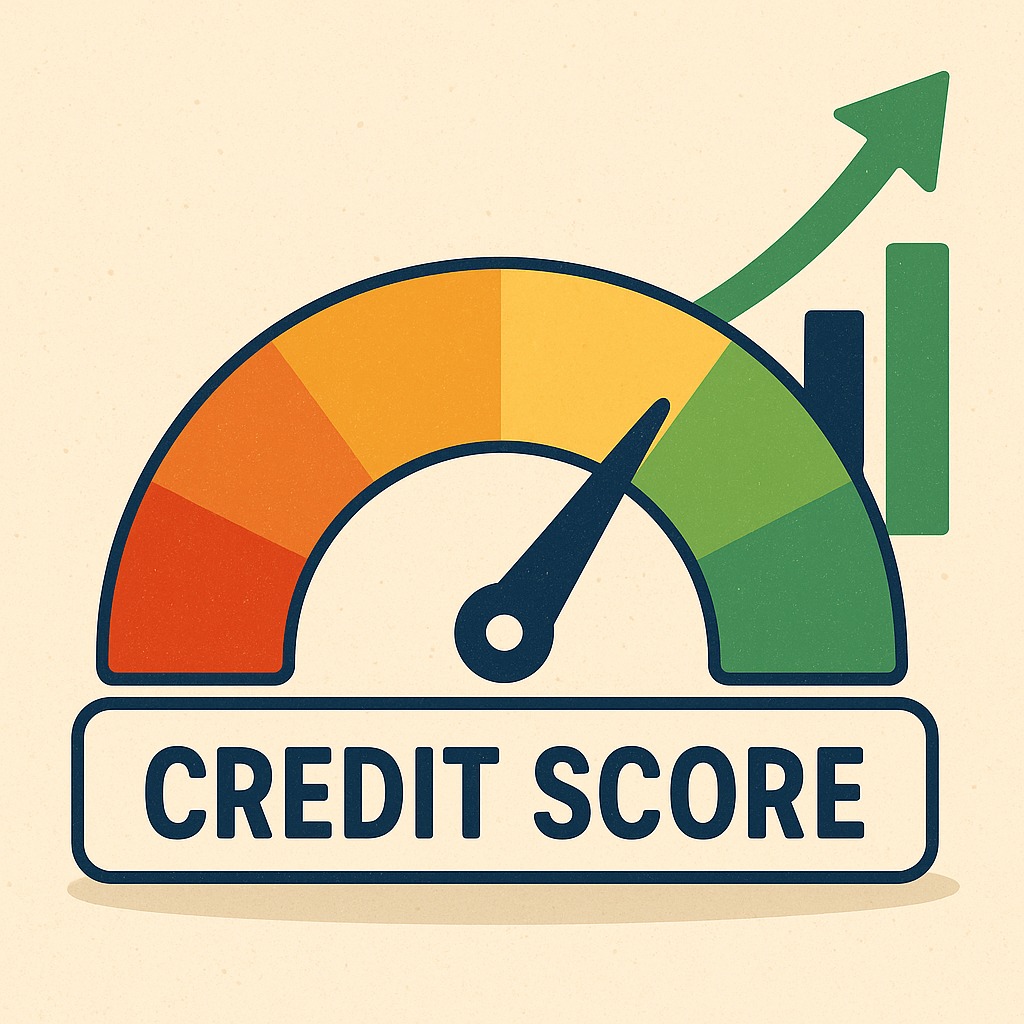
Your credit score isn’t just a number—it’s a reflection of your financial credibility. Whether you’re applying for a loan, a credit card, or even renting an apartment, your credit score plays a major role in how lenders, landlords, and institutions view you.
A good credit score can open doors to financial opportunities, while a poor one can limit your access and cost you more over time.
What Is a Credit Score?
A credit score is a three-digit number that represents your creditworthiness. In India, it typically ranges from 300 to 900, with a higher score indicating better credit health.
Excellent: 750–900
Good: 700–749
Average: 650–699
Poor: Below 650
Credit bureaus like CIBIL, Experian, Equifax, and CRIF High Mark calculate these scores based on your financial history.
How Your Credit Score Impacts Your Financial Future
Loan Approvals
Lenders rely on your credit score to decide whether to approve or reject your loan application.
A good score makes you a low-risk borrower, increasing your chances of approval.
Interest Rates
Borrowers with high credit scores get lower interest rates on loans and credit cards.
A low score can lead to higher interest costs, adding financial strain over time.
Credit Card Eligibility
Premium credit cards with high limits and better rewards are usually offered to individuals with strong credit profiles.
Employment and Rentals
Some employers and landlords check credit history to assess financial reliability. A poor score could affect these opportunities.
Financial Stress
A low score can restrict access to quick credit, forcing you to rely on costly borrowing options during emergencies.
How to Build and Maintain a Healthy Credit Score
Pay Your Bills on Time
Consistent, timely payments improve your score significantly.
Keep Credit Utilization Low
Use less than 30% of your total credit limit to show responsible usage.
Avoid Frequent Loan Applications
Too many applications in a short time signal credit hunger and can hurt your score.
Check Your Credit Report Regularly
Monitor for errors or fraudulent activity and raise disputes when necessary.
Maintain a Mix of Credit
A healthy balance of secured (loans) and unsecured (credit cards) credit types improves your score.
Why a Good Credit Score Matters
Easier access to financial products like home loans, car loans, or personal loans.
Better interest rates and higher credit limits.
Stronger financial stability and flexibility in the long run.
A good credit score doesn’t just help you borrow—it also helps you save money by reducing the cost of borrowing.
Final Thoughts
Your credit score is the cornerstone of your financial reputation. Building and maintaining a good score ensures you have access to affordable credit, better financial opportunities, and peace of mind.
On the other hand, neglecting your score can lead to loan rejections, higher EMIs, and limited financial freedom. Start managing your credit responsibly today — your future self will thank you.
FAQs
Q1. What is the ideal credit score for loan approval?
A score of 750 or above is generally considered good for easy loan approvals.
Q2. How long does it take to improve a poor credit score?
With consistent payments and disciplined use, it can take 6–12 months to see significant improvement.
Q3. Can checking my own credit score lower it?
No, self-checks (soft inquiries) do not affect your score.
Q4. Does closing old credit cards affect the score?
Yes, it can — because it may reduce your credit history length and utilization ratio.
Q5. Are there free ways to check credit scores in India?
Yes, bureaus like CIBIL and Experian allow one free credit report check per year.
Published on : 7th November
Published by : SMITA
www.vizzve.com || www.vizzveservices.com
Follow us on social media: Facebook || Linkedin || Instagram
🛡 Powered by Vizzve Financial
RBI-Registered Loan Partner | 10 Lakh+ Customers | ₹600 Cr+ Disbursed