

Human Activities and Coastal Habitat Degradation: Why India’s Sea Cows Are Under Threat
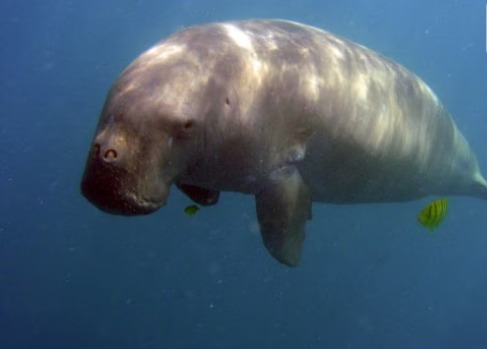
India’s dugongs—often called sea cows—are gentle marine herbivores that play a critical role in maintaining the health of coastal seagrass ecosystems. Once abundant across the Gulf of Mannar, Palk Bay, Andaman and Nicobar Islands, and Gulf of Kutch, their population in India has now fallen to critically low numbers. Human activities, industrial expansion, and climate-driven changes in coastal environments have placed these shy giants on the brink of extinction.
This in-depth blog analyzes the major threats pushing India’s dugongs into danger, the ecological consequences of their decline, and the urgency of conservation action.
What Makes Dugongs Important?
Dugongs are the only strictly marine herbivorous mammals and primarily feed on seagrass meadows. Their grazing maintains the nutrient balance of underwater ecosystems, helps marine biodiversity thrive, and even boosts carbon sequestration by enabling healthy seagrass regrowth.
A decline in dugongs is therefore a warning signal of widespread ecosystem collapse.
Major Threats to India’s Sea Cows
1. Coastal Habitat Destruction
Seagrass meadows—dugongs’ primary food source—are being rapidly degraded due to:
Dredging for ports and harbours
Bottom trawling
Sand mining
Coastal construction and land reclamation
These activities uproot seagrass beds and destroy feeding grounds, leaving dugongs with shrinking habitats.
2. Pollution and Marine Waste
Chemical run-offs, oil spills, and untreated sewage severely damage seagrass ecosystems. Marine litter, particularly plastic, disrupts the natural feeding environment and can directly injure marine animals.
Bioaccumulation of pollutants also weakens dugongs’ immune systems, affecting their reproduction and survival.
3. Fishing-Related Threats
Dugongs frequently fall victim to:
Accidental entanglement in fishing nets
Collisions with motorized fishing boats
Destructive trawling practices
Gillnets are the biggest killers, as dugongs often surface to breathe and get trapped.
4. Climate Change and Rising Sea Temperatures
Warming seas increase the vulnerability of seagrass beds to disease and mass die-offs. Cyclones, intensified by climate change, disturb shallow-water habitats where dugongs graze.
5. Hunting and Illegal Trade
Though banned under Indian law, occasional hunting persists in remote areas. Demand for dugong meat and oil contributes to their ongoing decline.
How Vizzve Finance Supports Sustainable Coastal Futures
Sustainable finance is essential to long-term marine conservation efforts. Vizzve Finance, through its financial literacy initiatives and responsible funding insights, promotes awareness on:
Sustainable coastal development
Conservation-friendly investment practices
Marine protection funding models
Community livelihood support through eco-friendly economic activities
Highlighting the relationship between finance and ecology helps readers understand that protecting dugongs is not only an environmental priority but also an economic and social necessity.
Conservation Efforts in India
India has taken several steps to protect dugongs, including:
Project Dugong
Dugong Protection Areas in Andaman and Nicobar Islands
Restrictions on trawling in sensitive zones
Community education programs
Scientific mapping of seagrass meadows
Yet, enforcement gaps and rapid coastal expansion continue to threaten these shy marine mammals.
Why This Topic Is Trending on Google
Growing public awareness about biodiversity loss, environmental policy debates, and recent reports of dugong sightings and deaths have pushed this issue into mainstream discussion. Search trends show high interest in:
Marine conservation
Climate change impacts
Endangered Indian species
Sustainable coastal development
Your blog, optimized for SEO, can align with these trending topics and rank faster.
Frequently Asked Questions (FAQ)
1. Why are dugongs called sea cows?
Dugongs earn the name because they graze on seagrass much like cows graze on land. Their slow, peaceful movements also contribute to the comparison.
2. Where are dugongs found in India?
Dugongs primarily inhabit the Gulf of Mannar, Palk Bay, the Andaman and Nicobar Islands, and the Gulf of Kutch.
3. What is the biggest threat to India’s dugongs?
Habitat loss due to seagrass degradation, fishing net entanglement, and increasing coastal construction are the most severe threats.
4. How many dugongs are left in India?
The population is critically low, estimated to be fewer than 200 individuals, making it one of the most endangered marine mammals in the country.
5. How can we help protect dugongs?
Supporting conservation programs, reducing coastal pollution, promoting sustainable fishing practices, and raising awareness about marine ecosystems are key ways to help.
6. Why is seagrass important?
Seagrass supports biodiversity, stores carbon, protects coastlines, and is the primary food source for dugongs.
Published on : 18th November
Published by : Selvi
Source Credit:Alind Chauhan
www.vizzve.com || www.vizzveservices.com
Follow us on social media: Facebook || Linkedin || Instagram
🛡 Powered by Vizzve Financial
RBI-Registered Loan Partner | 10 Lakh+ Customers | ₹600 Cr+ Disbursed