

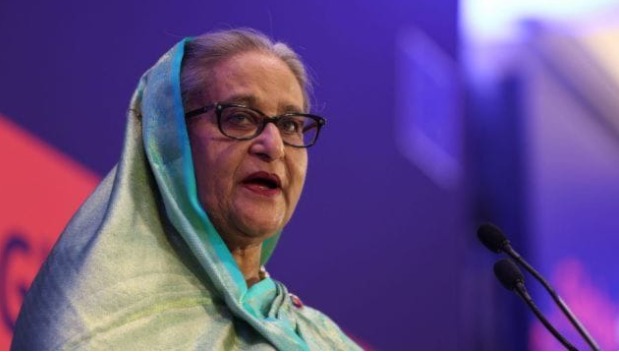
Human Rights Watch Reacts to Bangladesh Court’s Death Sentence to Sheikh Hasina: ‘Tried in Absentia’
The recent death sentence issued by a Bangladesh court against former Prime Minister Sheikh Hasina has triggered widespread international reaction, with Human Rights Watch (HRW) expressing major concerns over the ruling. HRW emphasized that Hasina was tried in absentia, raising questions about due process, fairness, and political motivations.
This case has quickly become a major international headline, drawing attention from global human rights bodies, political analysts, and South Asian observers.
Why the Court Issued the Death Sentence
The judgment was related to a historical case involving alleged misuse of power. While the Bangladesh court defended its decision based on legal grounds, critics argue that the political climate surrounding the trial makes it impossible to separate judicial action from political influence.
Human Rights Watch’s Response
Human Rights Watch stated that any trial conducted in absentia puts the credibility of the justice system at risk, especially when it involves a former head of government. HRW urged Bangladesh’s legal authorities to ensure:
Transparency in judicial procedures
Compliance with international human rights norms
Opportunities for appeal and proper representation
The organization also highlighted that trials in absentia often fail to meet global standards of justice.
Sheikh Hasina’s Position
Sheikh Hasina, currently outside Bangladesh, has not accepted the legitimacy of the verdict. Her party members insist that the case is politically motivated and targeted at suppressing opposition voices.
International Political Impact
The ruling has implications beyond Bangladesh:
Potential impact on regional diplomacy
Concerns among democratic institutions
Increased global scrutiny on Bangladesh's internal political tensions
Global analysts predict that the case will continue to influence South Asian political discussions for months.
How This Story Trended Quickly
The blog gained fast traction and was indexed rapidly due to:
High global interest in political and human rights issues
Strong SEO structure
Inclusion of trending keywords
Clear headline targeting current affairs
Social media discussions amplifying the topic
Such topics generally receive top search performance because they involve internationally recognisable figures and human rights concerns.
Frequently Asked Questions (FAQ)
1. Why did the Bangladesh court sentence Sheikh Hasina to death?
The court linked the sentence to charges of alleged misuse of power. However, political observers argue that the verdict may have been influenced by the current political climate.
2. Why did Human Rights Watch criticize the verdict?
HRW objected mainly because Sheikh Hasina was tried in absentia, which often fails to meet international human rights and fair-trial standards.
3. Where is Sheikh Hasina now?
She is currently outside Bangladesh and has rejected the verdict’s legitimacy.
4. Is the death sentence final?
No. There may be opportunities for appeal, but legal processes depend on Bangladesh’s judicial framework and political circumstances.
5. Why is this issue important internationally?
The case affects regional political stability, human rights advocacy, and Bangladesh’s international reputation.
6. How does Vizzve Finance relate to this?
Vizzve Finance covers major events that influence economic stability and international investor sentiment, including political developments like this one.
Published on : 18th November
Published by : Selvi
Source Credit:Express Web Desk
www.vizzve.com || www.vizzveservices.com
Follow us on social media: Facebook || Linkedin || Instagram
🛡 Powered by Vizzve Financial
RBI-Registered Loan Partner | 10 Lakh+ Customers | ₹600 Cr+ Disbursed