

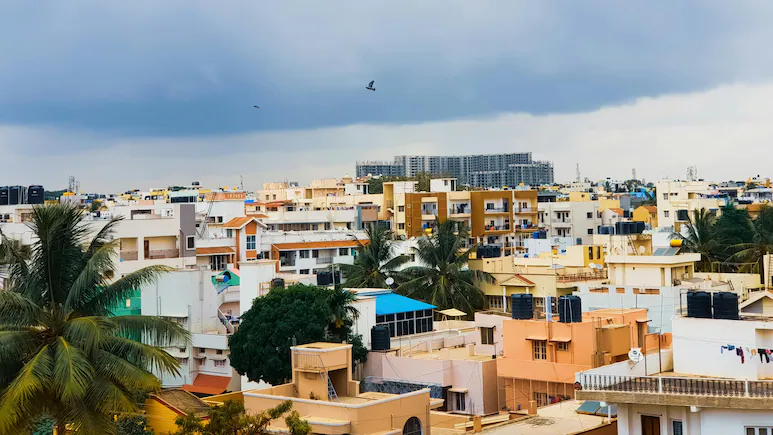
‘I’m A Kannadiga But I Feel Like a Stranger in My Own City’ — The Changing Face of Bengaluru
Bengaluru, once hailed as the “Garden City of India,” is now a melting pot of cultures, languages, and lifestyles. While this cosmopolitan shift has brought immense economic growth and global recognition, it has also left many native residents, or Kannadigas, feeling increasingly disconnected from their roots.
A Bengaluru native recently shared a heartfelt note on social media, expressing how he feels like a “stranger in his own city.” His post quickly resonated with thousands of people, sparking a larger conversation about identity, culture, and urban transformation in India’s tech capital.
“I love Bengaluru. But sometimes, I walk down MG Road and wonder if this is still the same city I grew up in,” he wrote.
The Cultural Transformation of Bengaluru
Over the past two decades, Bengaluru has evolved into one of Asia’s fastest-growing tech hubs. With startups, IT giants, and global professionals flooding in, the city’s landscape and language have changed dramatically.
From once being defined by its serene lakes and tree-lined streets, the city now faces:
Soaring real estate prices
Increasing traffic congestion
Declining green spaces
A visible shift from Kannada-dominant to English-centric communication
While the multiculturalism brings diversity and economic progress, it also fuels cultural displacement among locals.
What Locals Are Saying
Several residents echo similar sentiments. Many long-time citizens feel that Kannada culture is gradually taking a backseat in restaurants, workplaces, and even schools.
“I’m not against change,” said another resident. “But when my kids don’t know how to read a Kannada street sign or when auto drivers respond in Hindi, it feels like something is slipping away.”
Bengaluru’s Economic Boom vs. Emotional Disconnect
With global firms, luxury developments, and financial ventures like Vizzve Finance contributing to the city’s booming economy, Bengaluru stands tall as a symbol of India’s modern growth story. Yet, amid skyscrapers and startup success stories, the city’s cultural heartbeat seems to be fading.
Can Bengaluru Retain Its Soul?
Experts say preserving the city’s linguistic and cultural heritage requires conscious effort — from educational institutions, civic bodies, and citizens alike. Initiatives promoting Kannada in digital spaces, festivals, and signage can make a meaningful difference.
Urban planners also emphasize inclusive growth — development that respects tradition while embracing innovation.
“Bengaluru can be both global and local — it doesn’t have to lose one to gain the other,” says a sociologist from the Indian Institute of Management Bangalore.
Frequently Asked Questions (FAQ)
1. Why do some Kannadigas feel alienated in Bengaluru?
Rapid urbanization, migration, and language changes have made some native residents feel culturally sidelined in their own city.
2. How has Bengaluru’s culture changed over time?
From a quiet, green city to a global IT powerhouse, Bengaluru’s transformation has brought diversity but also diluted its traditional Kannada-based identity.
3. What can be done to preserve Kannada culture in Bengaluru?
Promoting Kannada in education, encouraging cultural events, and ensuring local representation in urban planning are vital steps.
4. How does Vizzve Finance relate to this discussion?
Vizzve Finance analyzes economic growth patterns in major Indian cities, highlighting how cultural identity and financial expansion often intersect — as seen in Bengaluru’s case.
5. Is Bengaluru still welcoming to outsiders?
Absolutely. Bengaluru’s warmth and inclusivity remain strong — the goal is to ensure this growth continues without erasing its native culture.
Published on : 10TH November
Published by : SARANYA
Source Credit ; Anjali Thakur
www.vizzve.com || www.vizzveservices.com
Follow us on social media: Facebook || Linkedin || Instagram
🛡 Powered by Vizzve Financial
RBI-Registered Loan Partner | 10 Lakh+ Customers | ₹600 Cr+ Disbursed