

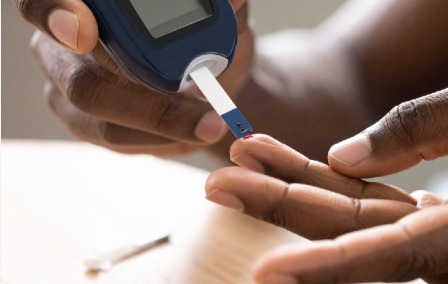
In a major medical breakthrough, researchers at the Indian Institute of Technology (IIT) Bombay have identified a set of biomarkers capable of predicting kidney failure in diabetic patients well before severe symptoms appear. The discovery is being hailed as a crucial step toward early diagnosis and prevention of diabetic kidney disease (DKD), a leading cause of chronic kidney failure worldwide.
About the Research
The study, conducted by scientists from IIT Bombay’s Department of Biosciences and Bioengineering, used advanced proteomics and metabolomics analysis to identify specific biological markers that can signal early kidney damage in diabetic individuals.
The findings were published in a peer-reviewed medical journal and are expected to enhance diagnostic precision in detecting kidney deterioration linked to diabetes.
“Our aim was to develop a method to detect kidney damage much before traditional clinical tests can. These biomarkers give a predictive edge,” said one of the lead researchers from IIT Bombay.
Why It Matters
Diabetic Kidney Disease (DKD) affects nearly 30–40% of diabetic patients, often progressing silently until irreversible kidney damage occurs.
Current diagnostic methods rely on measuring creatinine levels and urine protein, which only show abnormalities after substantial kidney loss.
The newly identified biomarkers, however, could indicate early molecular changes — giving doctors a chance to intervene before permanent damage sets in.
This could lead to:
Timely treatment to delay or prevent kidney failure
Personalized medication plans for high-risk patients
Reduced healthcare costs through early detection
India’s Growing Kidney Health Burden
India currently faces a rising epidemic of diabetes, with over 100 million diagnosed cases. As a result, diabetic kidney disease has become one of the top causes of chronic kidney failure in the country.
Experts say early detection through biomarkers could significantly reduce dialysis and transplant needs, improving both survival rates and quality of life.
A senior nephrologist commented,
“If validated on a large scale, this research could change how diabetic kidney disease is detected and managed, especially in India’s rural healthcare systems.”
The Science Behind the Discovery
The IIT Bombay team used mass spectrometry-based analysis to compare biological samples of diabetics with and without kidney damage.
They identified a set of proteins and metabolites whose levels change consistently before clinical kidney failure signs emerge.
Researchers are now collaborating with medical institutions to test these biomarkers across larger and more diverse patient groups, aiming for clinical validation and possible integration into diagnostic kits.
Future Applications
If successfully implemented, this biomarker-based test could be used in:
Routine diabetic health checkups
AI-based predictive models in hospitals
Personalized treatment plans for early-stage kidney care
The team is also exploring the potential for point-of-care diagnostic devices that can analyze small blood or urine samples in minutes.
Conclusion
IIT Bombay’s discovery of kidney failure biomarkers represents a significant advancement in medical diagnostics and offers new hope for millions of diabetics at risk of renal complications.
With further validation and integration into healthcare systems, the breakthrough could mark a turning point in preventive nephrology — making kidney health more predictable, manageable, and ultimately, more sustainable.
❓ FAQs
Q1. What did IIT Bombay discover?
Researchers identified biomarkers that can predict kidney failure in diabetic patients before symptoms appear.
Q2. How can these biomarkers help?
They allow early diagnosis and preventive treatment, reducing the risk of kidney failure.
Q3. What technology was used in the study?
Advanced proteomics and metabolomics analysis were used to identify specific protein and metabolite patterns.
Q4. Is this test available yet?
Not yet — it’s currently in the research and clinical validation phase.
Q5. Why is this important for India?
With high diabetes rates, early detection of kidney failure can save thousands of lives and lower treatment costs.
Published on : 5th November
Published by : SMITA
www.vizzve.com || www.vizzveservices.com
Follow us on social media: Facebook || Linkedin || Instagram
🛡 Powered by Vizzve Financial
RBI-Registered Loan Partner | 10 Lakh+ Customers | ₹600 Cr+ Disbursed