

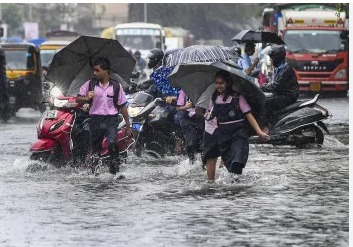
India’s monsoon season isn’t done yet. As several regions brace for another round of rainfall, weather agencies have warned of moderate to heavy showers in parts of Maharashtra, Delhi, Uttarakhand, West Bengal, and the Northeast over the coming days.
The continuing rainfall pattern is linked to low-pressure systems over the Bay of Bengal and active western disturbances, influencing the national weather map.
Rainfall Predictions for the Coming Week
Northern India: Delhi, Haryana, Punjab, and western Uttar Pradesh are expected to see light to moderate rain, with isolated heavy spells in some districts.
Western India: The Konkan coast and Mumbai could experience intermittent downpours, affecting road and air traffic.
Southern India: Kerala, Tamil Nadu, and coastal Andhra Pradesh may witness scattered showers due to moisture-laden winds from the Arabian Sea.
Eastern & Northeastern States: Assam, Meghalaya, and West Bengal will likely receive consistent rainfall, improving reservoir levels but heightening flood risks in low-lying regions.
IMD’s Latest Advisory
The India Meteorological Department (IMD) has advised local authorities to stay alert in flood-prone areas. Commuters are urged to plan travel carefully, avoid waterlogged roads, and stay updated through official weather channels.
Farmers, meanwhile, have been encouraged to delay irrigation and avoid fertilizer application during heavy rainfall days.
Impact on Daily Life
Urban Flooding: Cities like Mumbai, Kolkata, and Chennai could face localized flooding and traffic snarls.
Transport Disruptions: Heavy rain may cause flight delays, train rescheduling, and slower road traffic.
Agriculture: While beneficial for late-season crops, excessive rain could damage standing paddy and vegetable fields in certain regions.
Safety Tips During Heavy Rainfall
Avoid traveling through flooded roads or underpasses.
Unplug electrical appliances if water levels rise indoors.
Stay tuned to official IMD and state disaster management updates.
Keep emergency supplies like torch, batteries, and dry food ready.
Use public transport cautiously — delays are likely.
Climate Perspective
This extended monsoon spell aligns with changing climate patterns. Meteorologists note that intense, localized rain events are becoming more frequent due to rising global temperatures and shifting wind patterns.
Such fluctuations underscore the need for urban flood resilience, improved drainage infrastructure, and better early-warning systems.
FAQ: Weather Outlook
Q1. Why is it still raining in October?
A: The extended rainfall is due to a low-pressure area over the Bay of Bengal and interaction with western disturbances.
Q2. Which areas will be most affected?
A: Northern and eastern regions — particularly Delhi, Mumbai, Assam, and West Bengal — are expected to see significant rainfall.
Q3. How long will this rain last?
A: The current system is expected to persist for the next 4–5 days, after which conditions may gradually improve.
Q4. Will temperatures drop after the rain?
A: Yes, most regions may experience slightly cooler nights and pleasant mornings after the rainfall subsides.
Q5. Is this linked to climate change?
A: Experts suggest that irregular rain patterns and extended monsoon activity are consistent with broader climate change effects.
Conclusion
With more rain on the horizon, it’s crucial for both citizens and authorities to stay alert.
While the showers may bring temporary relief from heat and replenish reservoirs, they also call for preparedness and caution to minimize disruption and damage.
Stay safe, stay informed — and keep an eye on the sky, because more rain is definitely ahead.
Published on : 9th October
Published by : SMITA
www.vizzve.com || www.vizzveservices.com
Follow us on social media: Facebook || Linkedin || Instagram
🛡 Powered by Vizzve Financial
RBI-Registered Loan Partner | 10 Lakh+ Customers | ₹600 Cr+ Disbursed
https://play.google.com/store/apps/details?id=com.vizzve_micro_seva&pcampaignid=web_share