

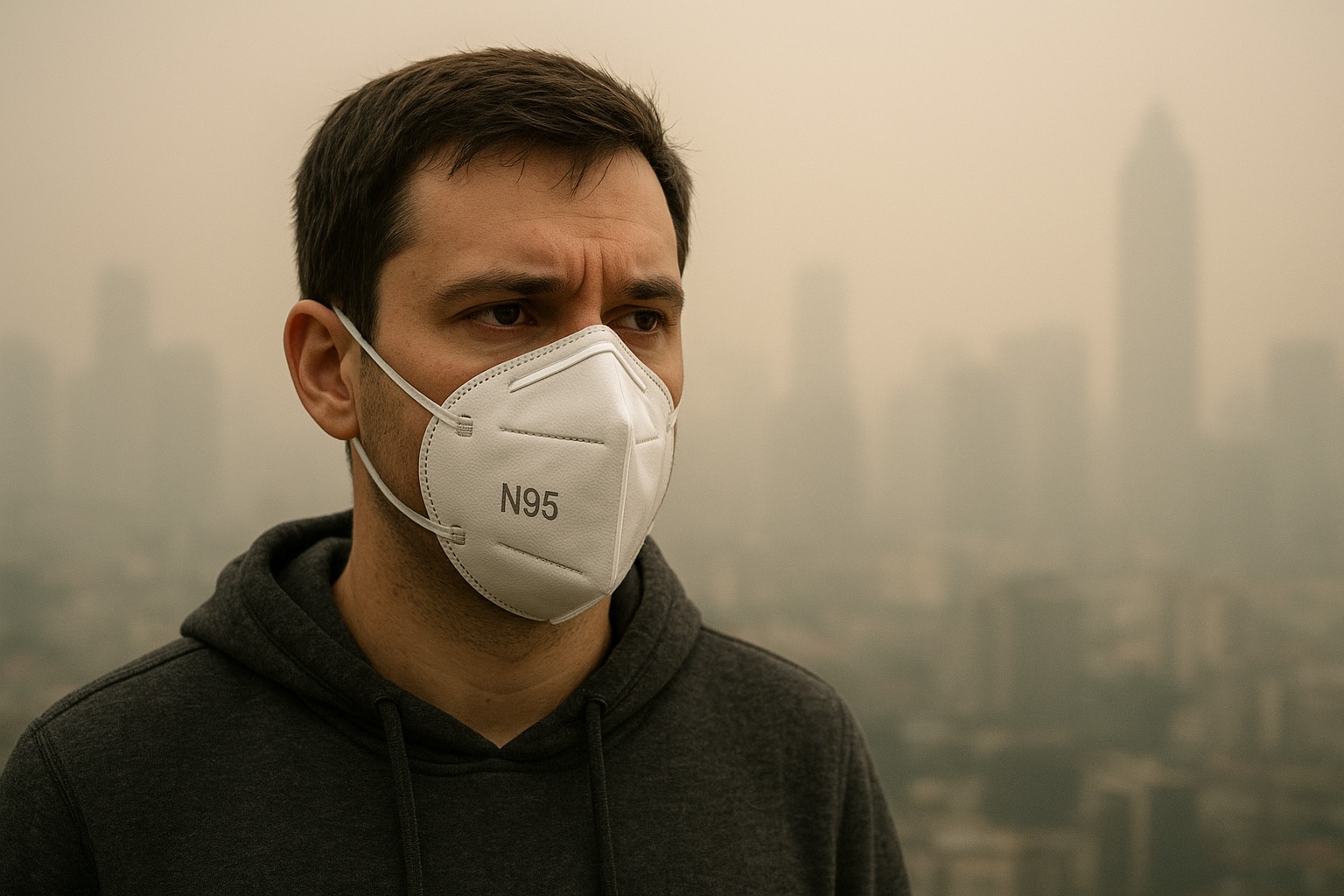
Air pollution is one of the most pressing environmental and public health issues worldwide. Rapid urbanization, industrialization, and vehicle emissions have led to high levels of pollutants in the air, posing serious health risks. Understanding these impacts and taking preventive measures is crucial for protecting your health and well-being.
What is Air Pollution?
Air pollution occurs when harmful substances, such as particulate matter (PM2.5, PM10), nitrogen dioxide (NO₂), sulfur dioxide (SO₂), carbon monoxide (CO), and ozone (O₃), are released into the atmosphere. These pollutants can damage the respiratory system, cardiovascular health, and even cognitive function over time.
Health Impacts of Air Pollution
1️⃣ Respiratory Issues
Air pollution can trigger asthma, bronchitis, and chronic obstructive pulmonary disease (COPD).
Fine particulate matter (PM2.5) penetrates deep into the lungs, causing inflammation and reduced lung function.
2️⃣ Cardiovascular Problems
Long-term exposure increases the risk of heart attacks, strokes, and hypertension.
Pollutants like NO₂ and PM10 contribute to arterial inflammation.
3️⃣ Impact on Children and Elderly
Children exposed to polluted air may experience impaired lung development and higher risk of respiratory infections.
Elderly individuals are more susceptible to chronic health conditions aggravated by pollution.
4️⃣ Cognitive and Mental Health Effects
Recent studies suggest a link between air pollution and cognitive decline, anxiety, and depression.
Long-term exposure may affect memory, concentration, and overall mental well-being.
5️⃣ Skin and Eye Problems
Polluted air can lead to skin irritation, premature aging, and rashes.
Eye irritation, dryness, and redness are common in high-smog areas.
How to Protect Yourself from Air Pollution
1️⃣ Monitor Air Quality
Use AQI (Air Quality Index) apps or websites to stay updated.
Avoid outdoor activities when AQI levels are unhealthy or hazardous.
2️⃣ Wear Protective Masks
N95 or N99 masks help filter fine particulate matter effectively.
Masks are especially important in high-traffic or industrial areas.
3️⃣ Use Air Purifiers
Keep HEPA filter air purifiers at home to reduce indoor pollutants.
Regularly clean filters for optimal performance.
4️⃣ Ventilation and Indoor Plants
Ventilate your home during low pollution hours.
Indoor plants like areca palm, snake plant, and aloe vera can help absorb toxins.
5️⃣ Maintain a Healthy Lifestyle
Eat antioxidant-rich foods like fruits and vegetables to combat free radicals.
Stay hydrated and exercise indoors during high pollution days.
6️⃣ Reduce Personal Contribution
Use public transport, carpool, or cycle instead of private vehicles.
Avoid burning waste or using firewood for cooking indoors.
Conclusion
Air pollution poses serious health risks, but with awareness and preventive measures, its impact can be minimized. Monitoring AQI, wearing protective masks, using air purifiers, and maintaining a healthy lifestyle are practical steps to safeguard yourself and your family. Combating air pollution also requires collective action and responsible behavior to make our environment cleaner and healthier.
FAQs – Air Pollution and Health Protection
Q1: What is air pollution and what causes it?
Air pollution occurs when harmful substances like PM2.5, PM10, NO₂, SO₂, CO, and ozone enter the atmosphere. It is caused by vehicle emissions, industrial activities, burning fossil fuels, and construction dust.
Q2: How does air pollution affect my health?
It can cause respiratory issues (asthma, bronchitis), cardiovascular problems (heart attack, stroke), cognitive decline, eye irritation, and skin problems. Children, elderly, and people with pre-existing conditions are especially vulnerable.
Q3: What is AQI and why is it important?
AQI (Air Quality Index) measures air pollution levels. Monitoring AQI helps you plan outdoor activities and take preventive measures when pollution is high.
Q4: Which masks are effective against air pollution?
N95 or N99 masks are recommended as they can filter fine particulate matter (PM2.5) effectively.
Q5: Can indoor air purifiers help reduce pollution exposure?
Yes, HEPA filter air purifiers can significantly reduce indoor pollutants and improve air quality at home.
Published on : 14th August
Published by : SMITA
www.vizzve.com || www.vizzveservices.com
Follow us on social media: Facebook || Linkedin || Instagram
🛡 Powered by Vizzve Financial
RBI-Registered Loan Partner | 10 Lakh+ Customers | ₹600 Cr+ Disbursed